Cognition & memory

Memory was the most damaged ability in 33 NFL players whose CTE was confirmed at autopsy
The disease behind the football concussion debate can still only be identified after death. Testing 33 former players while they lived, then examining their brains, produced the clearest profile yet.
Sep 8, 2026
Kidneys filtering faster than normal tracked more small-vessel damage in 7,254 stroke patients
Failing kidneys are known to accompany brain small-vessel disease. Pooling scans and blood tests from 7,254 stroke and mini-stroke patients found the overworking kidney carries a signal too.
Sep 8, 2026

People with a common cause of brain bleeds had 16 times the odds of possible depression
Cerebral amyloid angiopathy is known for strokes and cognitive decline. Comparing 85 patients against 83 controls found a mood signal so large it reframes what the condition does.
Sep 7, 2026
An antibody blocking B12 from reaching the brain was found in over half of unexplained spinal cord cases
Idiopathic myelopathy means the spinal cord is failing and nobody knows why. Testing 32 such patients turned up an autoantibody against the receptor that carries vitamin B12 into cells, in 18 of them.
Sep 7, 2026

Earlier menopause tracked faster memory decline and an earlier Alzheimer's diagnosis
Menopause timing is treated as reproductive history and filed away. Following 2,603 older women, when it happened lined up with how quickly thinking declined decades later, most clearly after surgical menopause.
Sep 7, 2026

Clot removal failed to help in smaller stroke vessels, where it is increasingly being tried
Mechanical thrombectomy transformed treatment of large-vessel stroke, and centers have been extending it to smaller blockages without evidence. The trial that tested it found no benefit and more bleeding.
Sep 7, 2026
Hearing loss tracked worse memory and smaller brain regions; tinnitus tracked neither
Hearing loss is on every list of things that raise dementia risk, and the usual explanation is a brain starved of sound. Scanning 2,144 German adults found the damage sitting partly in the blood vessels instead.
Sep 2, 2026

Physical activity tracked 23% less motor neuron disease across 384,836 UK adults
Exercise has long been suspected of raising motor neuron disease risk, mostly from studies of elite athletes. An Oxford team followed 384,836 people for 14 years and found the opposite, with the lowest risk mid-range.
Sep 1, 2026

Starting autism intervention earlier predicted better outcomes across 582 children
Parents are pushed to maximize therapy hours, often at great cost. Pooling individual data on 582 autistic children across five countries, intensity was largely unrelated to progress, while age at start was among the strongest predictors.
Sep 1, 2026

Blood sodium in the upper normal range tracked up to 3 times the dementia risk
About half of adults do not drink enough, and blood sodium creeps up when they do not. Across 409,000 people followed for up to 30 years, dementia risk began climbing at levels a doctor would read as perfectly normal.
Sep 1, 2026

Dark chocolate cut 13 seconds off a standard attention test across 16 randomized trials
Cocoa research has produced a decade of enthusiastic small studies and no settled answer. A GRADE-assessed pooling of 16 trials and 2,847 people found the clearest gains on tests of executive function and processing speed.
Sep 1, 2026
Women who used estrogen-only hormone therapy had less Alzheimer's damage in 2,959 autopsied brains
Hormone therapy and dementia have been argued about for 25 years, mostly from questionnaires. A Neurology team went to the tissue instead, and found lower odds of Alzheimer's pathology at autopsy among women who had used estrogen.
Aug 30, 2026

Ten hours of cognitive rehab lifted daily function in long COVID, where no treatment is proven
A JAMA Network Open trial gave 78 adults with cognitive impairment ten weekly sessions built around their own goals. The effect at three months was large by the standards of any behavioral trial, and it was still there at six months.
Aug 28, 2026

Rugby training concussions rose across three seasons, and full-contact drills doubled the risk
Match concussions get the attention, but training ones are avoidable by design. Eight seasons of English Premiership data found preseason carried 1.80 times the risk and full-contact training 2.20 times, with incidence rising since 2016/17.
Aug 28, 2026
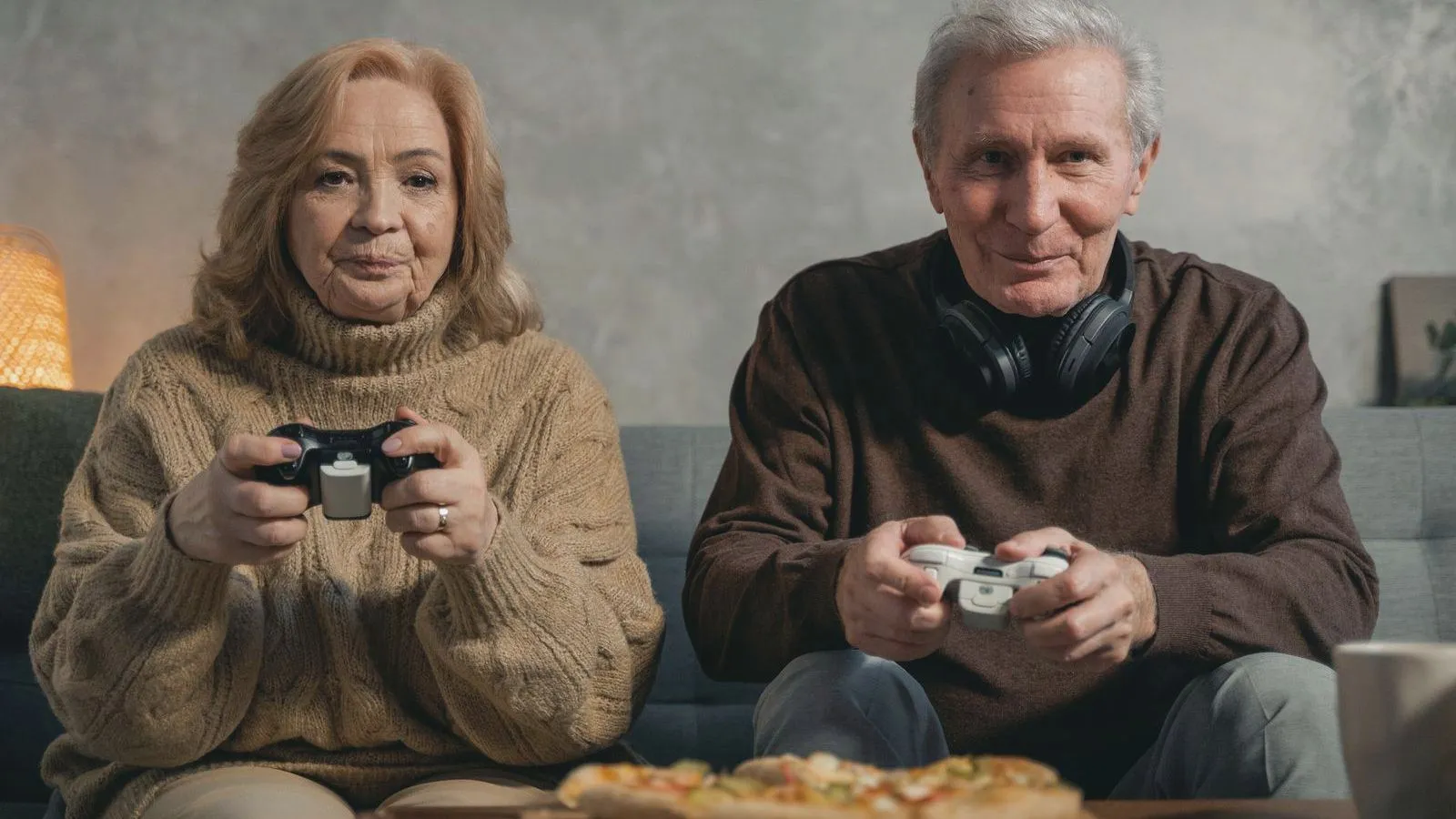
Exergames beat doing nothing for older adults' thinking across 51 trials, on very low certainty
A JMIR network meta-analysis ranked four kinds of digital exercise across 51 randomized trials and 3,673 older adults. Screen-based exergames helped global thinking most consistently. Remote exercise produced the only robust memory gain.
Aug 26, 2026

Exercise improved the mental fog that follows cancer across four domains and 2,809 patients
27 trials and 2,809 cancer patients. Exercise improved how clear-headed people felt and measurably improved executive function, working memory and processing speed, with the gains still there at follow-up.
Aug 25, 2026
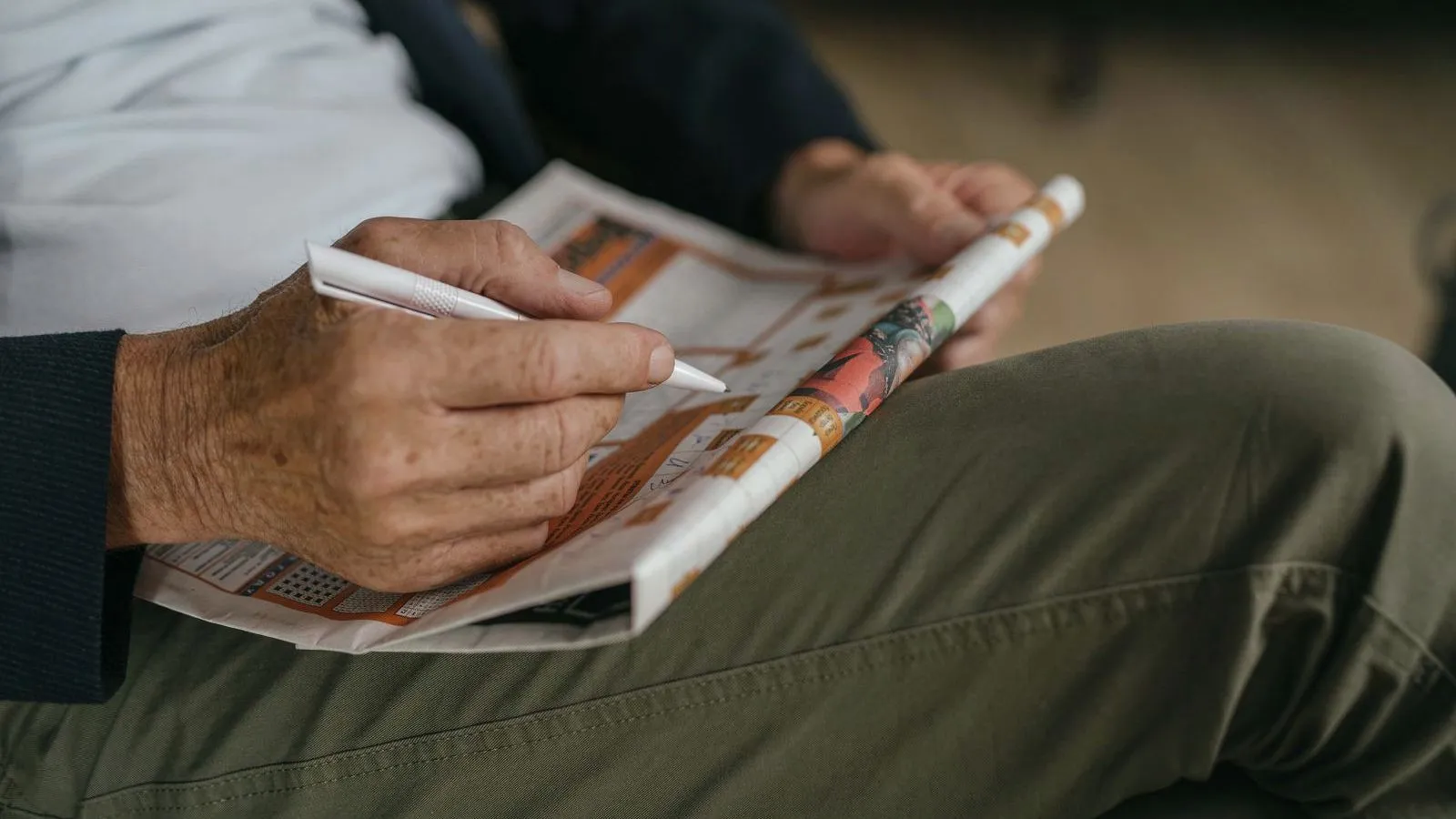
Practice at brain tests hides a year of cognitive decline
Older adults get better at cognitive tests simply by taking them again. In 977 people across 2,571 assessments, that practice gain was large enough to cancel out about a year of age-related decline.
Aug 17, 2026
Tinnitus can show up when the hearing test looks normal
A study of 267,395 American veterans found 86% had hearing loss and 47% had tinnitus. Some had the ringing alongside normal hearing thresholds, which points at ear damage a standard hearing test does not detect.
Aug 17, 2026
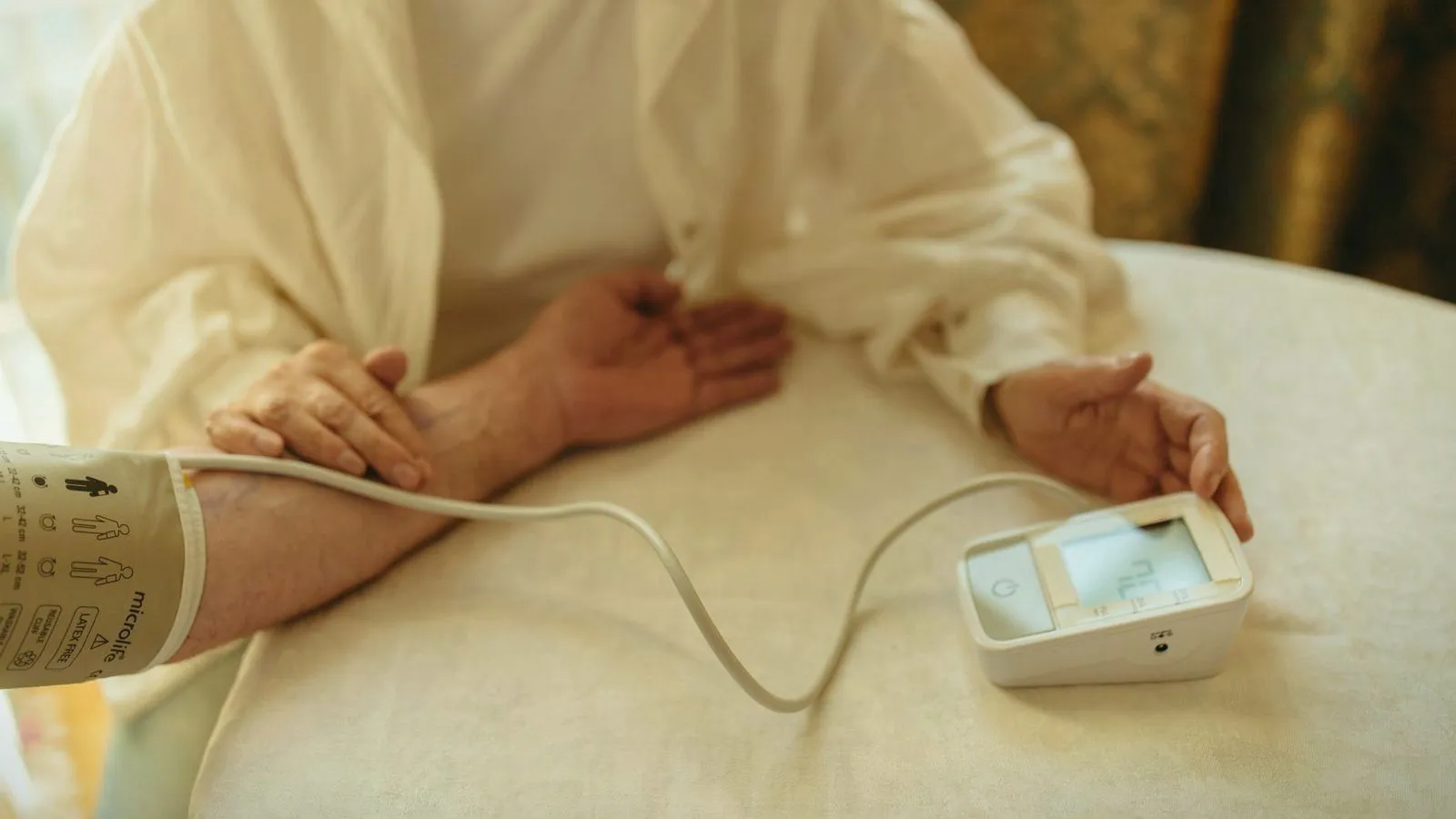
Falling blood pressure tracked with memory loss in women
Following 4,719 older adults for about nine years, researchers found that when blood pressure drifted down, thinking scores fell alongside it in women. In men there was no such link at all.
Aug 4, 2026

Swinging mood predicted dementia better than low mood
Following 11,951 older adults for up to 19 years, researchers found that fluctuating depressive symptoms predicted later cognitive impairment better than how depressed someone was at any single visit.
Aug 4, 2026
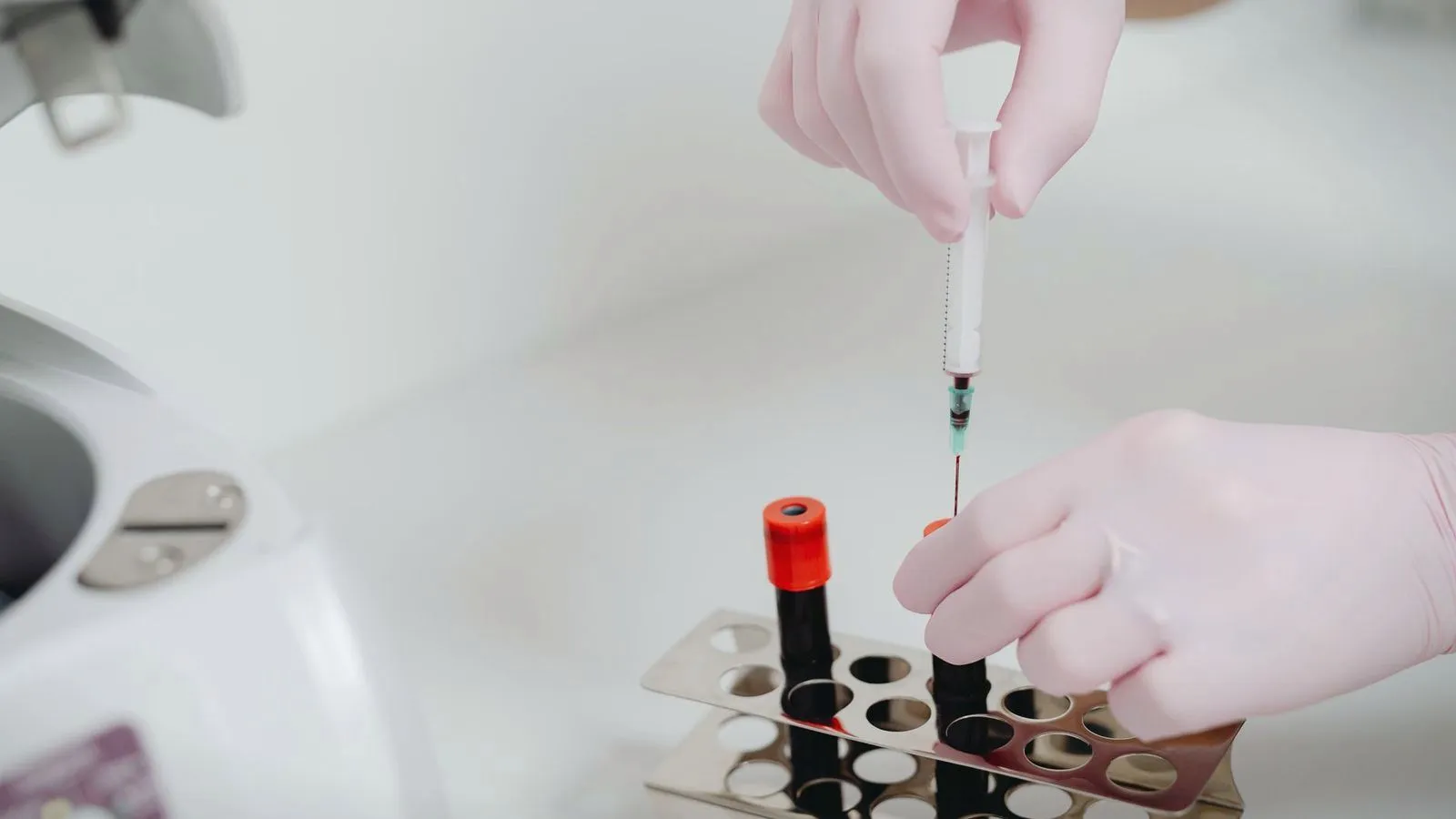
A midlife blood marker tracked dementia 25 years ahead
Across several cohorts, a protein called GDF15 measured in midlife lined up with dementia risk 15 to 25 years later. The link was stronger for vascular dementia than for Alzheimer's disease.
Aug 4, 2026
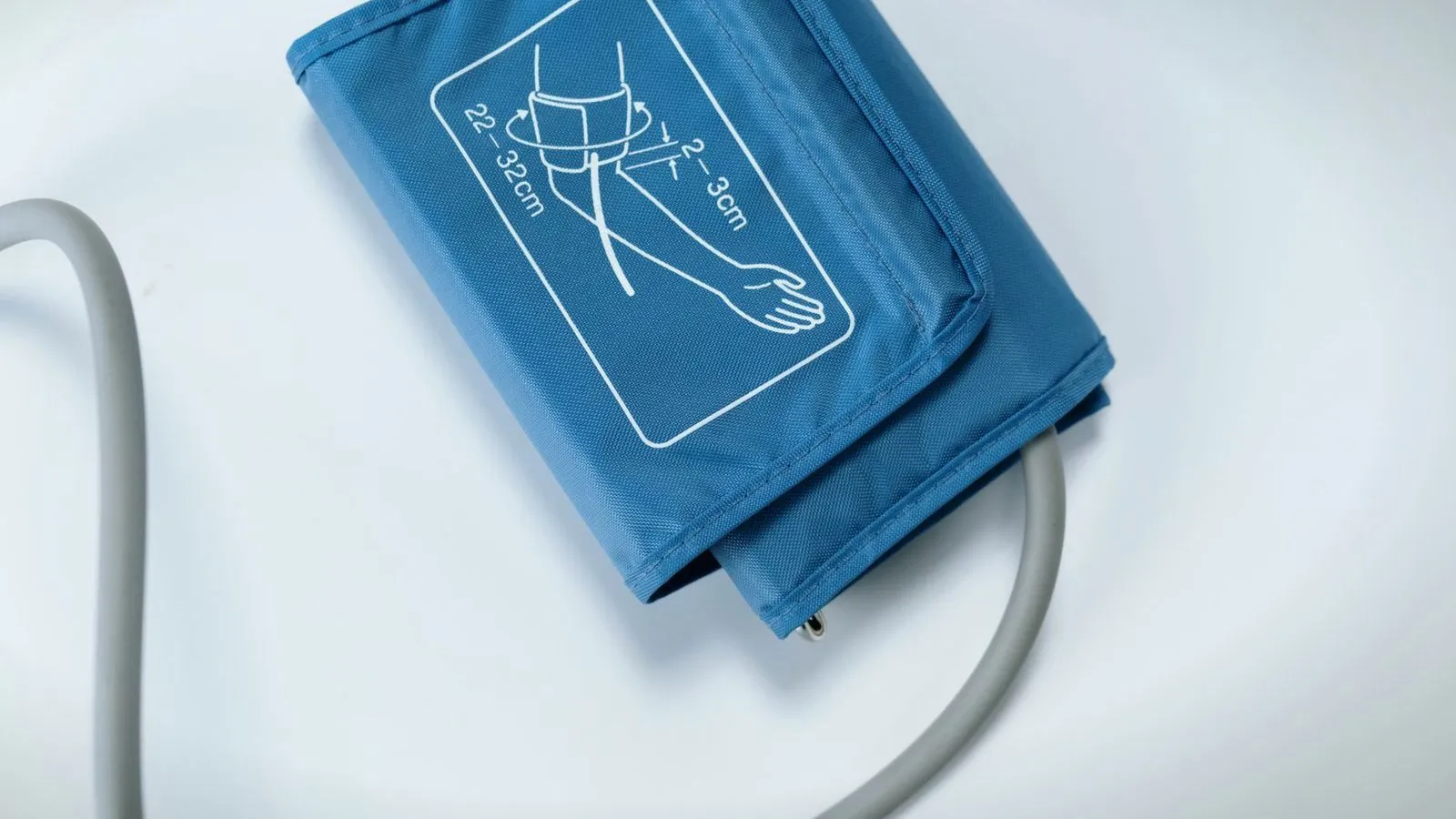
Blood pressure that swings tracked with faster memory loss
Pooling 11,104 participants from two major blood pressure trials, researchers in Alzheimer's & Dementia found that how much systolic pressure moved between visits tracked with cognitive decline, independently of the average.
Aug 3, 2026

Thinking your smell has faded tracked depression best
Pooling 187,056 people across 23 studies, researchers in JAMA Otolaryngology found that people who felt their sense of smell had declined were more likely to be depressed, while measured smell loss showed a weaker and less stable link.
Aug 3, 2026

Spouses of people with dementia had 1.7 times the risk
A JAMA Network Open study of 955,105 married adults in Taiwan found that people whose partner developed dementia went on to develop it more often themselves, though the extra risk over five years was about three percentage points.
Aug 3, 2026

Wildfire smoke sent more people to the ER with migraine
Across 997,701 emergency visits in Alberta and Ontario, wildfire particles tracked a 6% rise in headache visits. Ordinary air pollution at the same concentration did not.
Aug 2, 2026

Genetic risk fell as autism and ADHD diagnoses rose in Denmark
A JAMA Psychiatry study of 37,000 Danes found people diagnosed more recently carried less genetic liability, pointing at broader criteria rather than a new environmental cause.
Aug 1, 2026

Autism diagnoses rose only in women and girls after 2020
Tracking 171,134 patients in a US health system, JAMA Network Open found male autism diagnoses flat or falling while female rates climbed 19% a year.
Aug 1, 2026

Australia banned under-16s from social media. Most kept using it.
Three months after the world's first national minimum age law took effect, a BMJ study found more than 85% of under-16s were still on the restricted platforms.
Aug 1, 2026

Medicare wellness visits raised early memory diagnoses by 28%
Researchers matched 66,443 pairs of Texas Medicare patients. Those who took the free annual wellness visit were far likelier to have mild cognitive impairment caught.
Jul 31, 2026

A blood test told three dementias apart, not just detected one
A Nature Aging study of 1,318 plasma samples found protein signatures separating Alzheimer's from Lewy body and frontotemporal dementia, then validated a 21-protein panel in 805 more.
Jul 29, 2026
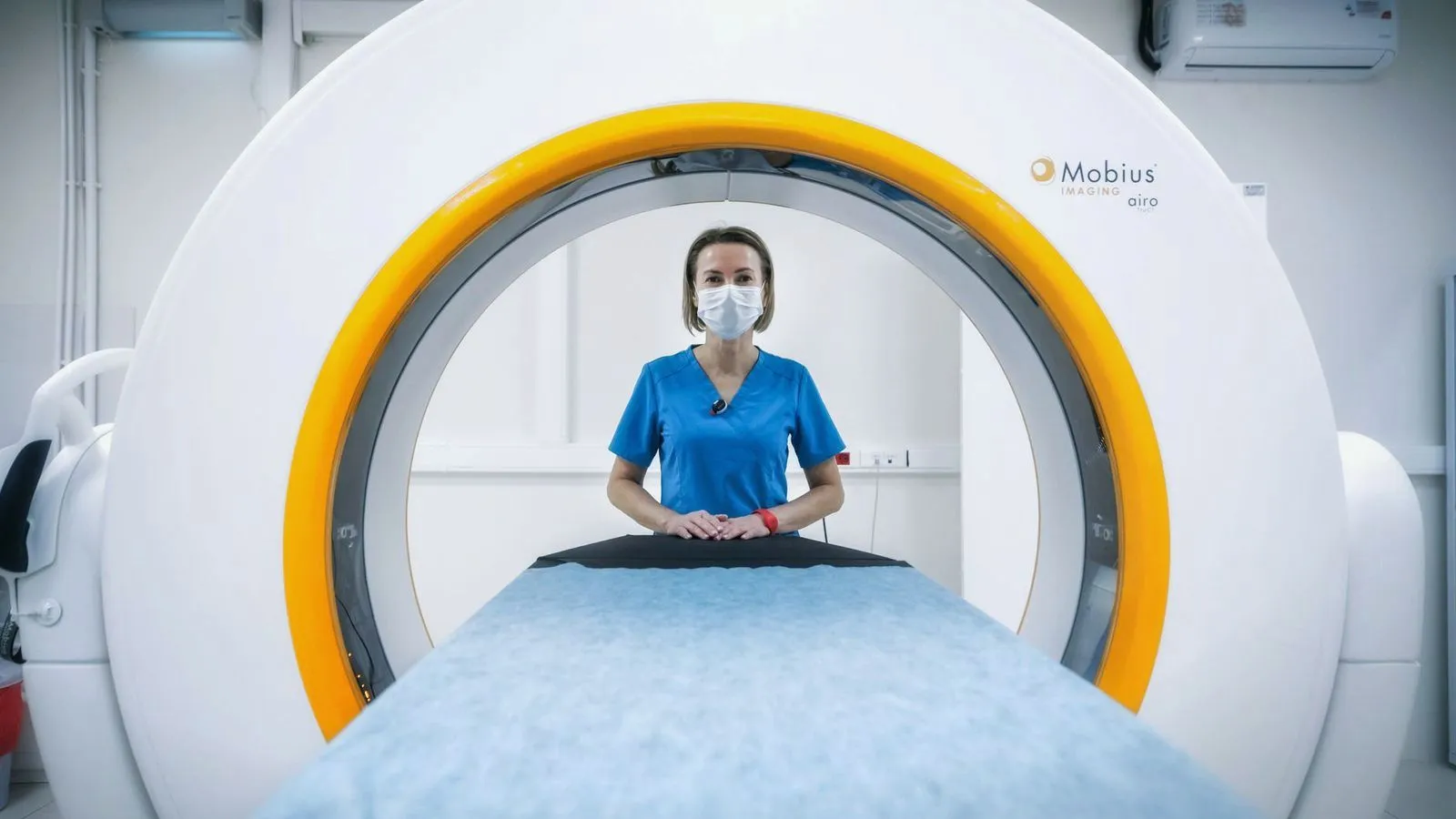
A brain structure few have heard of tracked with dementia
A Molecular Psychiatry study of 45,306 UK Biobank brain scans found a larger choroid plexus tracked with 61% higher dementia risk, and a brighter one with much lower risk.
Jul 29, 2026

Mental illness before 35 tracked with dementia after 50
A Molecular Psychiatry study of 2.5 million Swedes compared siblings and found the dementia link runs through a general vulnerability to psychiatric illness, not any one diagnosis.
Jul 28, 2026
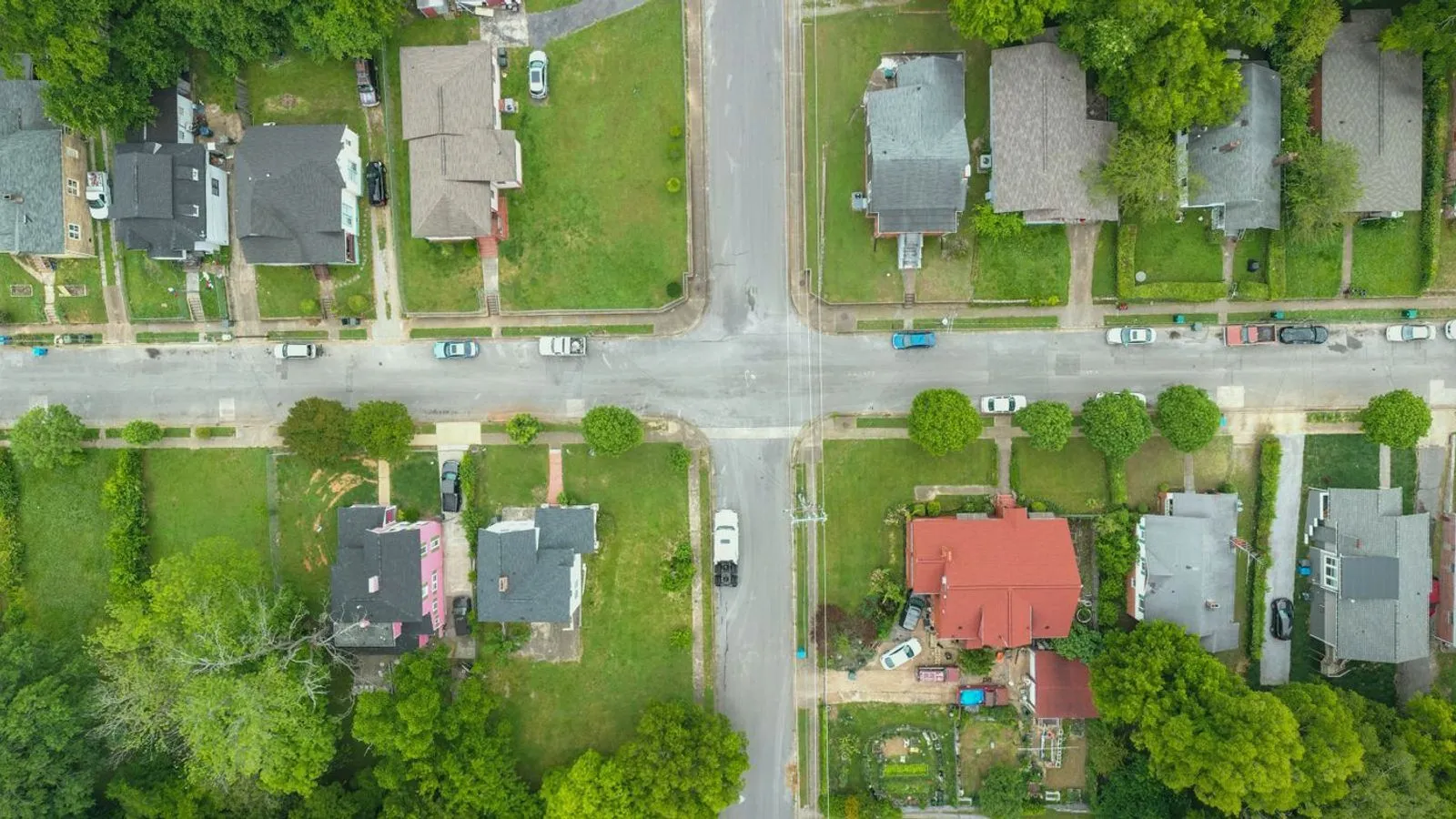
Dementia deaths peak in the suburbs, not the city or country
A JAMA Network Open study following 40.9 million people in England found dementia mortality highest at middle population density, and neighborhood conditions explained most of the gap.
Jul 27, 2026

Nearly 4 in 10 dementia cases tied to modifiable risk factors
A Lancet Public Health study of 1.75 million Danes put 37.8% of dementia down to 16 modifiable risk factors, with infections and depression topping the list, not the usual suspects.
Jul 26, 2026

The fastest walkers over 80 had half the cognitive decline
A Neurology study of nearly 5,000 adults over 80 found the fastest walkers had half the risk of cognitive impairment, yet autopsies showed no less Alzheimer's pathology in their brains.
Jul 26, 2026

Road traffic noise linked to Parkinson's in 3.1 million Danes, unless the home had a quiet side
A JAMA Neurology study followed 3.1 million Danes for 17 years and found road traffic noise at home tracked with a modestly higher risk of Parkinson's disease, unless the home had a quiet facade.
Jul 26, 2026

Diet tracked with dementia risk despite Alzheimer's markers
A JAMA Network Open study of 1,865 older Swedes found an anti-inflammatory diet was linked to lower dementia risk even in people whose blood already showed Alzheimer's disease markers.
Jul 25, 2026

TV watching, not desk work, tracked with smaller brain regions
A study in Alzheimer's & Dementia followed 1,712 adults from midlife to brain scans decades later and found frequent TV watching tracked with smaller memory-related brain regions, while sitting at work did not.
Jul 25, 2026
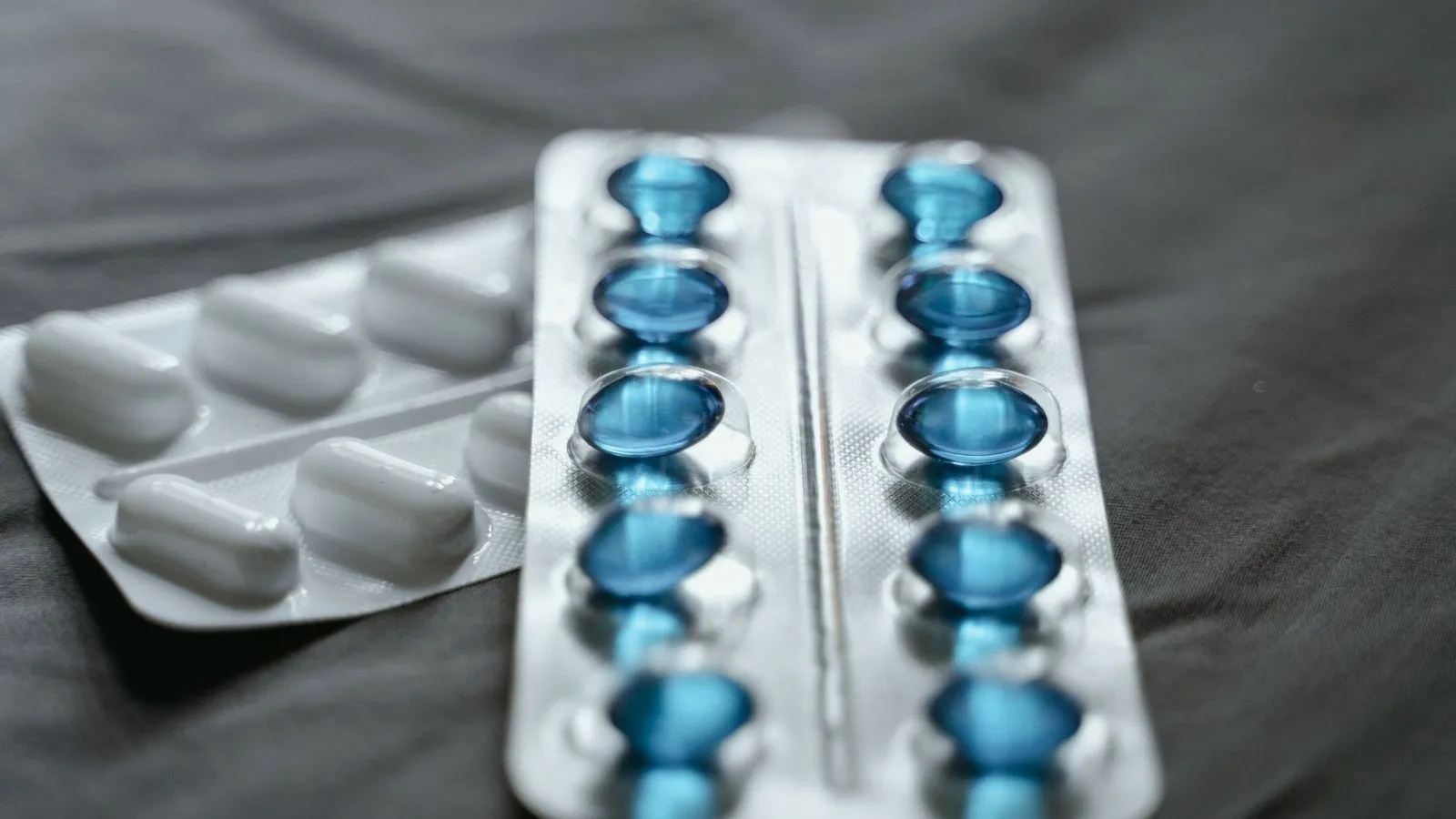
Pramipexole eased depression's loss of pleasure in a trial
In a Swedish trial, 85 adults whose depression came with a marked loss of pleasure added the Parkinson's drug pramipexole or a placebo to usual treatment. It eased that symptom for six months. The drug is used off-label here, not approved.
Jul 24, 2026

Air pollution tied to worse memory at 'safe' levels
A McMaster study of 6,878 middle-aged Canadians found higher everyday exposure to particle and traffic-gas pollution tracked with worse memory and mental speed, and small signs of brain injury on scans, even where the air is rated clean.
Jul 23, 2026
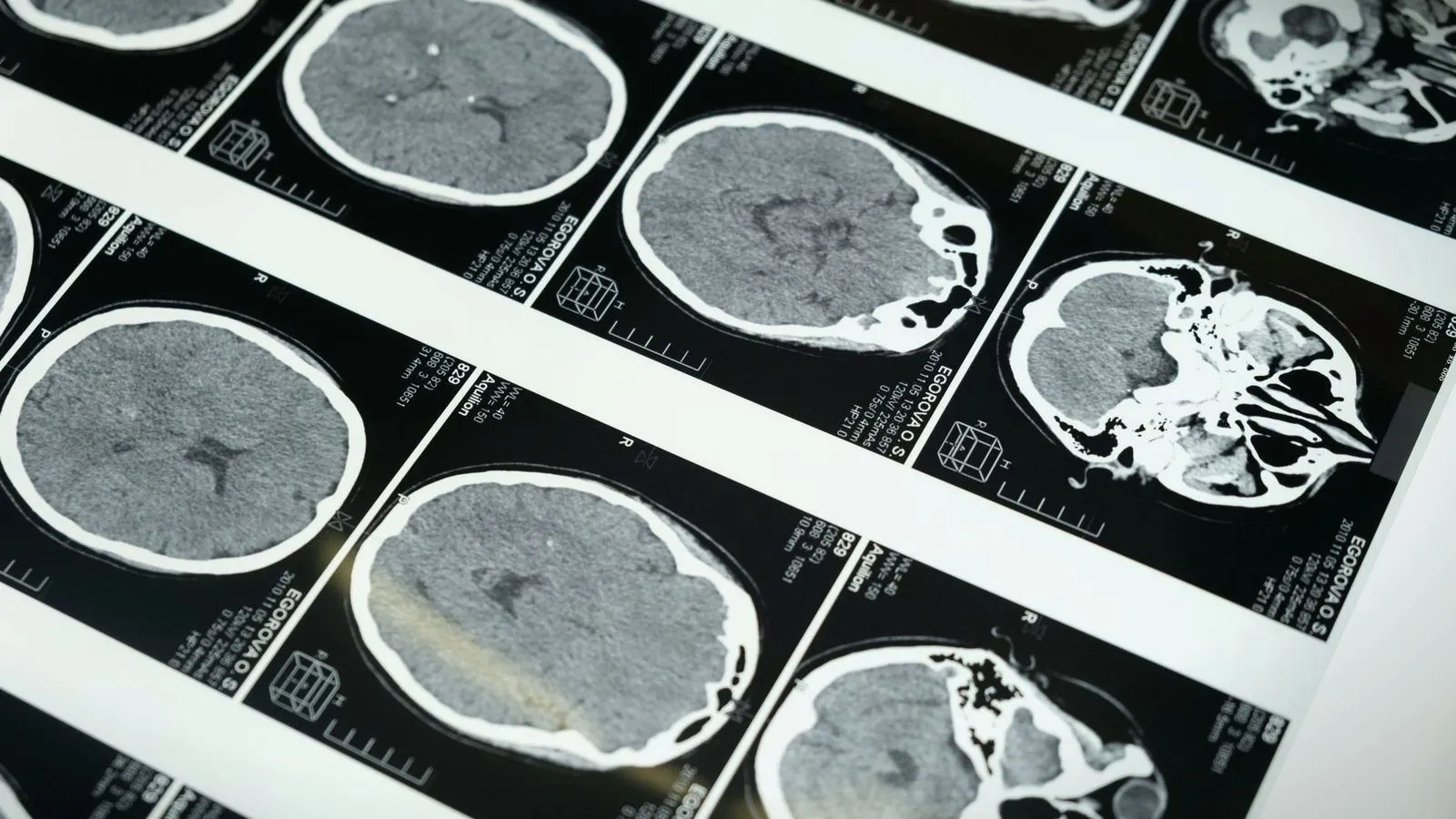
p-tau217 blood test estimated 5-year Alzheimer's risk
Pooling 2,684 older adults with no memory problems from six studies, JAMA reported those with the highest blood p-tau217 had about a 38 percent chance of decline within five years. They were research volunteers, so it may not generalize.
Jul 23, 2026

Exercise twice a week tracked with lower dementia risk
In 9,714 older Americans, those keeping up at least moderate activity - roughly 20 minutes, twice a week or more - were less likely to develop dementia. Less frequent activity showed no clear benefit. It points to a link, not proof.
Jul 21, 2026

Blood vitamin C linked to more gray matter in older adults
In 2,044 older adults in Japan, those with lower vitamin C in their blood tended to have less gray matter and weaker connections in a key brain network. It is a snapshot, so it cannot show that vitamin C protects the brain.
Jul 17, 2026