Cardio & intervals
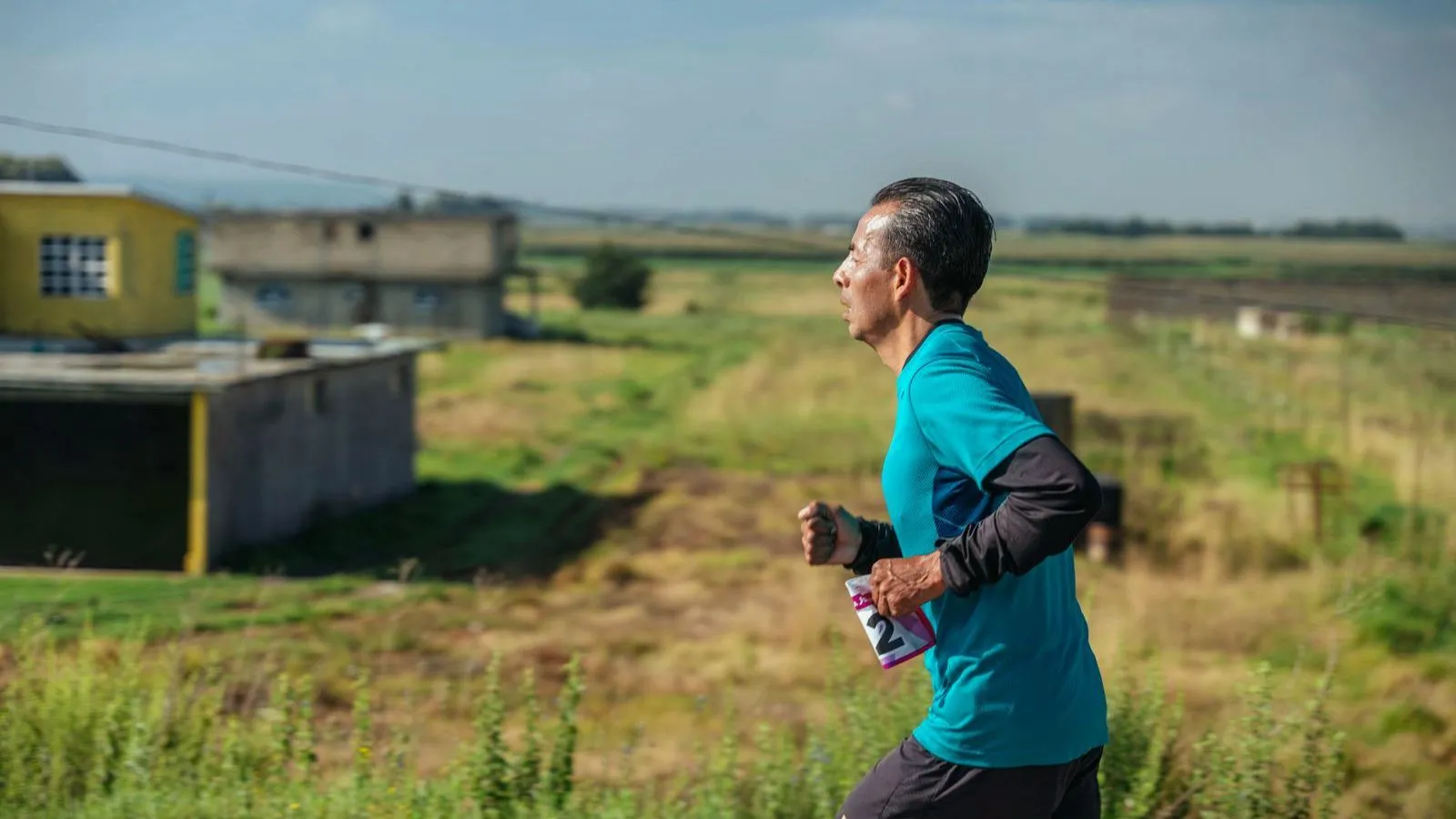
High midlife fitness tracked 31% lower dementia risk, independent of coronary artery calcium
Cooper Institute and Tel Aviv University researchers linked 10,933 treadmill-tested adults to Medicare records. A coronary calcium score of 100 or more tracked about a quarter higher risk, and the two signals barely overlapped.
Sep 14, 2026
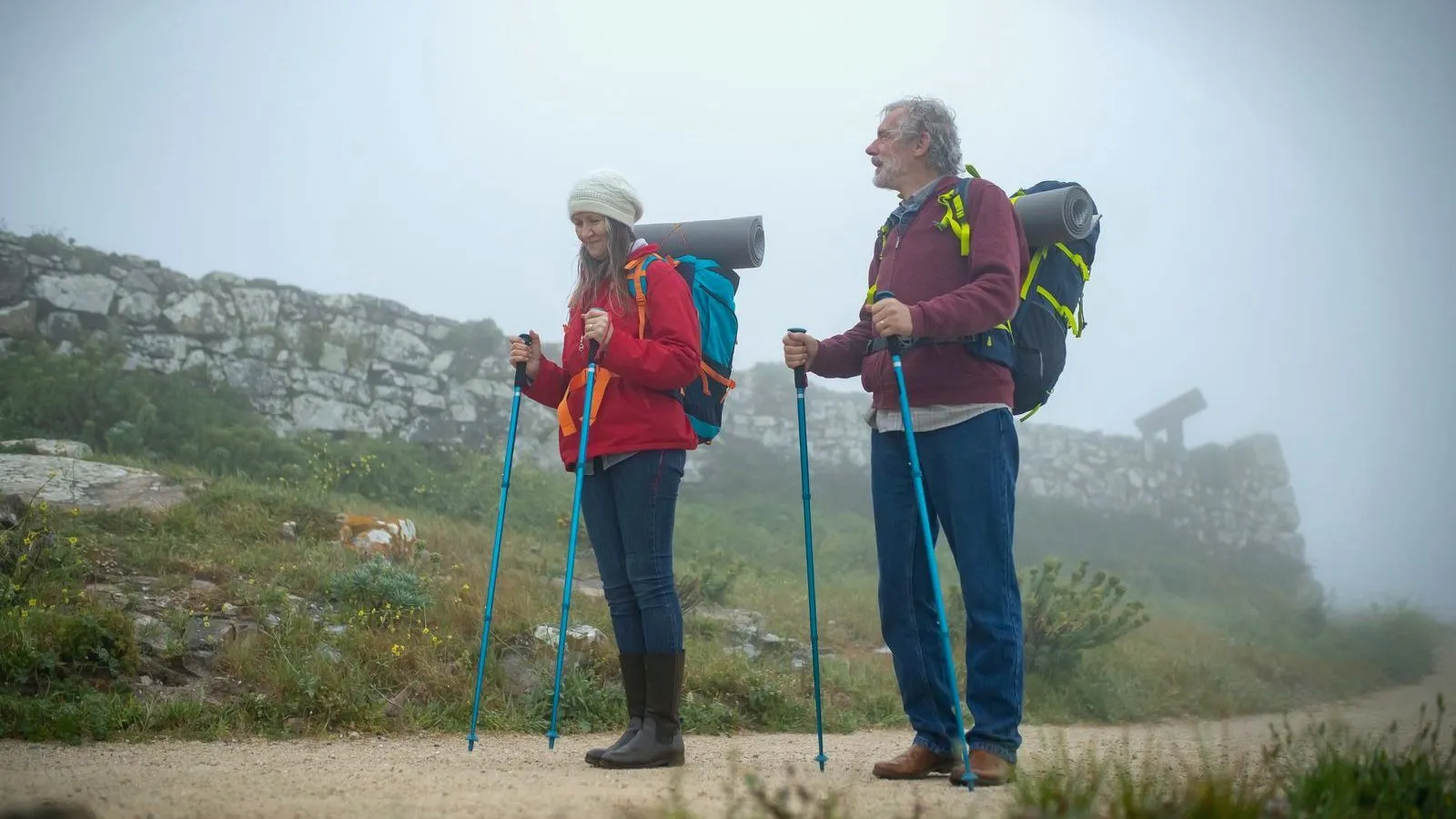
Weekend warrior exercise tracked 36% lower death risk in adults with two or more cardiometabolic conditions
South China Normal University researchers tracked 15,079 US adults with at least two of heart disease, diabetes and stroke through national death records. Regular exercisers fared similarly, but only 272 people fit the weekend pattern.
Sep 14, 2026

Fitter 46-year-olds cost the Finnish health system 11% less a year, and grip strength mattered too
Fitness studies usually stop at disease risk. Researchers linked step-test and grip-strength results for 4,468 Finns to six years of national spending records, then used genetics to test whether the link was causal.
Aug 30, 2026

Supervised exercise in pregnancy cut gestational diabetes risk by a quarter across 19 trials
A British Journal of Sports Medicine meta-analysis pooled 19 randomized trials and 6,213 pregnancies. Gestational diabetes, gestational hypertension, excessive weight gain and large babies all fell, on moderate-certainty evidence.
Aug 28, 2026

Stair climbing tracked 39% fewer heart disease deaths across 480,479 people
A UEA meta-analysis pooled nine studies and 480,479 people. Regular stair climbers were 39% less likely to die of heart disease. The evidence is observational, and the people who take the stairs differ in ways that matter.
Aug 24, 2026
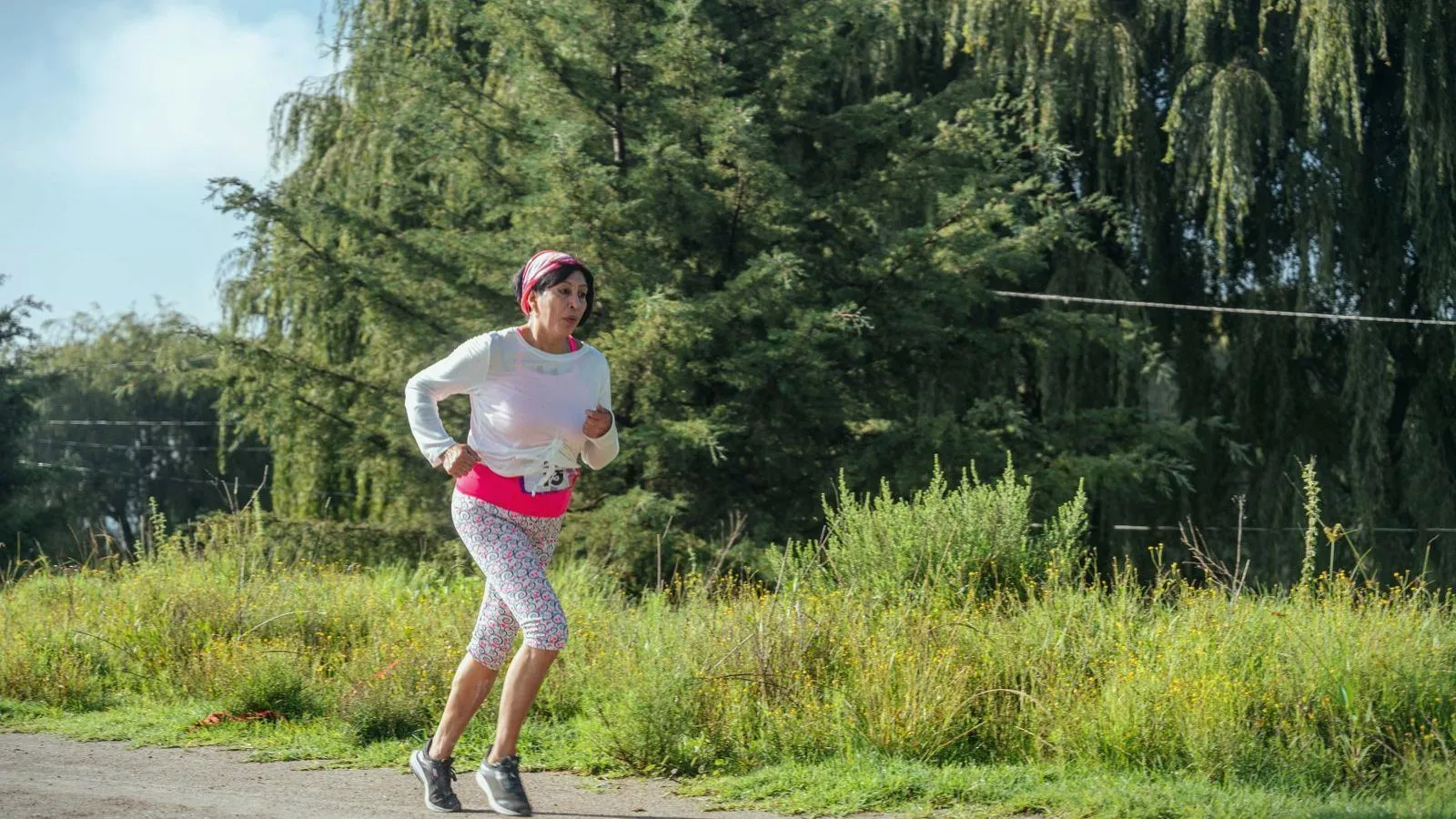
Exercise delayed ovarian aging. In mice, not in women.
A Nature Aging paper reports that physical activity delays ovarian aging. Its 164,853 human participants were compared at a single moment, which cannot show that. The delaying was demonstrated in mice.
Aug 17, 2026
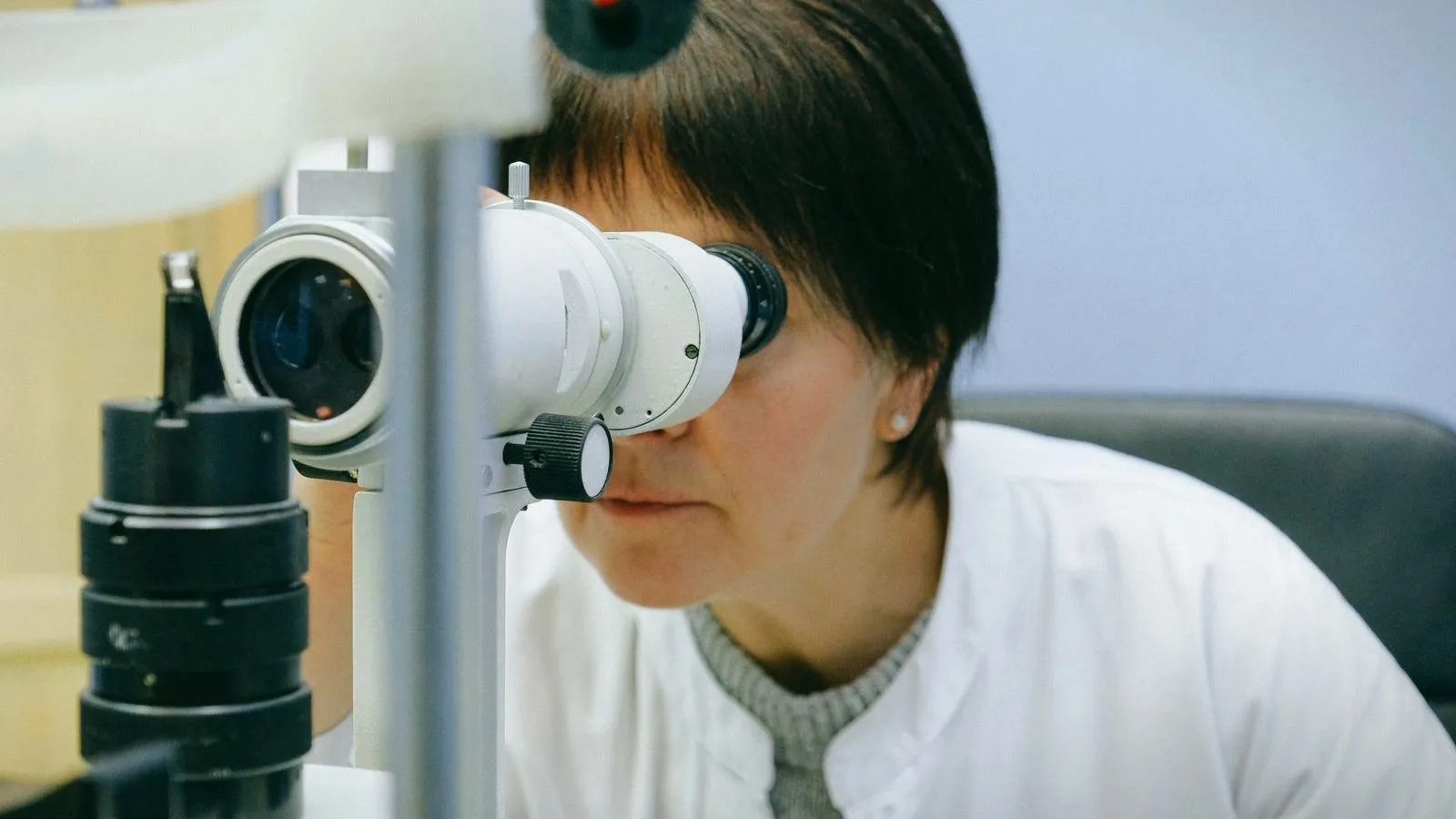
Moderate exercise tracked 21% less cataract, more did not
In 77,123 UK Biobank participants wearing accelerometers, 150 to 600 minutes a week of moderate-to-vigorous activity came with a fifth less cataract. The curve was U-shaped, and vigorous activity alone showed nothing.
Aug 16, 2026

A blood pressure spike on the treadmill depends on fitness
Across 5,087 people having an exercise stress echo, a high peak blood pressure came with a heavier heart muscle in the fit and the moderately fit, but not in the unfit. The unfit had the most adverse hearts anyway, at the same peak reading.
Aug 14, 2026

Inherited blood pressure risk tracked dementia in women only
In 9,145 Norwegians aged 70 and over, women in the top fifth for genetic blood pressure risk had higher odds of dementia. Men with the same genetics did not. Among fitter women the association was weaker.
Aug 9, 2026

Weekend workouts tracked bone health as well as daily ones
Two national datasets, 6,972 Americans and 52,989 Britons wearing wrist monitors, compared people who cram exercise into one or two days with those who spread it out. Bone density was similar, fractures slightly rarer in the weekend group.
Aug 8, 2026
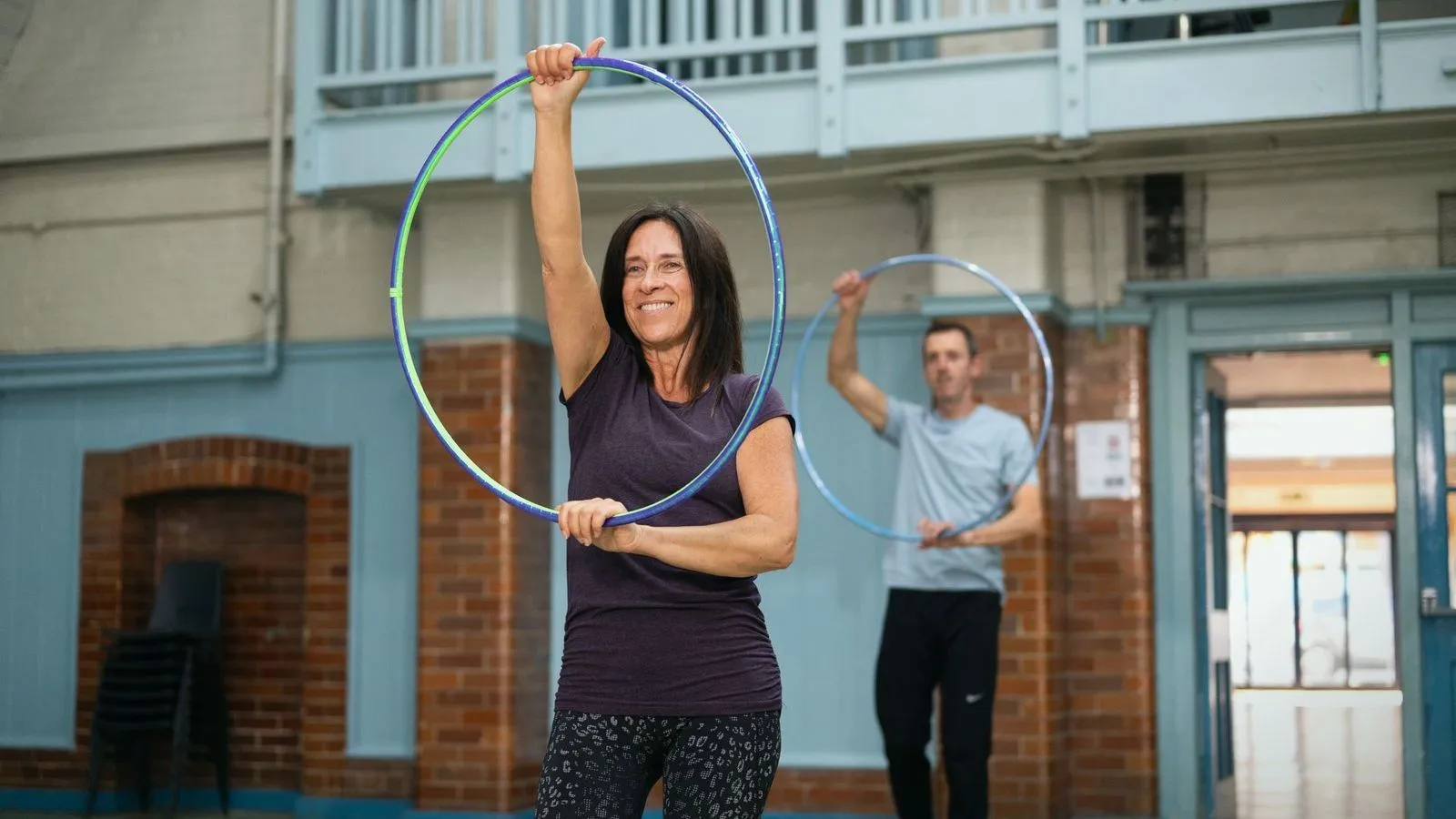
The exercise that protects muscle depends on your frailty
Following 10,871 Canadians for six years, gentle activity tracked with less muscle loss in frailer adults, while only strenuous activity did so in robust ones.
Aug 6, 2026
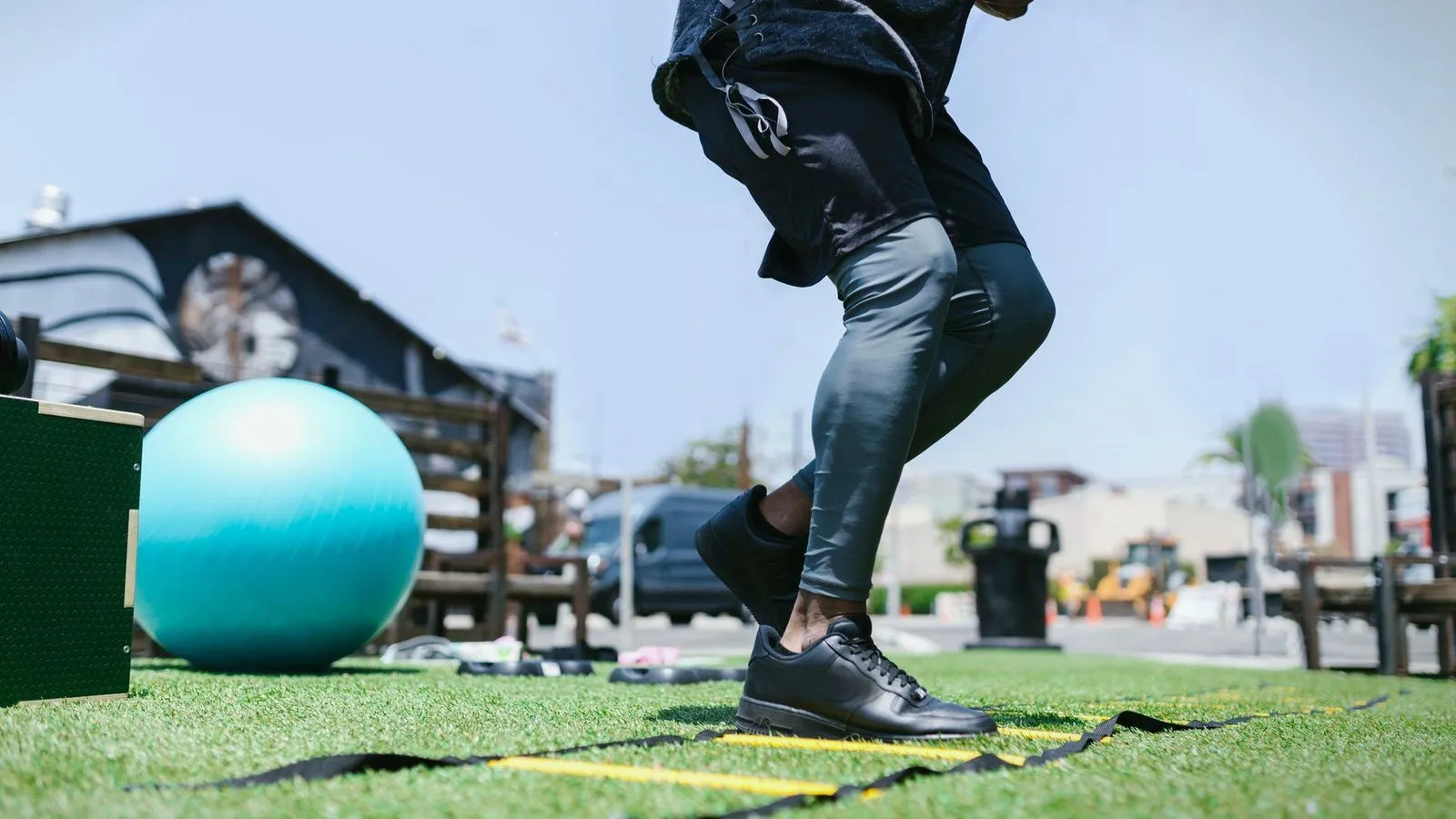
Intervals ranked best for belly fat, but more was not better
Pooling 60 trials in 3,308 adults, researchers ranked four kinds of exercise against the fat packed around the organs. Intervals came top, and the dose-response curve turned back on itself past a moderate weekly load.
Aug 4, 2026

Walking breaks every 30 minutes worked best. Nobody kept it up.
A 19,342-person trial tested 5-minute walking breaks at three frequencies. The most effective schedule was the least sustainable, and hourly landed in between.
Aug 2, 2026

High genetic risk plus few steps tripled heart disease risk
UK Biobank tracked 84,286 people with wrist monitors and genetic scores. Steps and genes acted independently, which means walking helped the genetically unlucky just as much.
Aug 2, 2026
Light weights to failure grew more muscle than heavy ones
A 201-person trial in Medicine & Science in Sports & Exercise had untrained adults lift heavy or light until they could not manage another repetition. The light group gained slightly more muscle, about a millimeter of extra thickness.
Aug 1, 2026
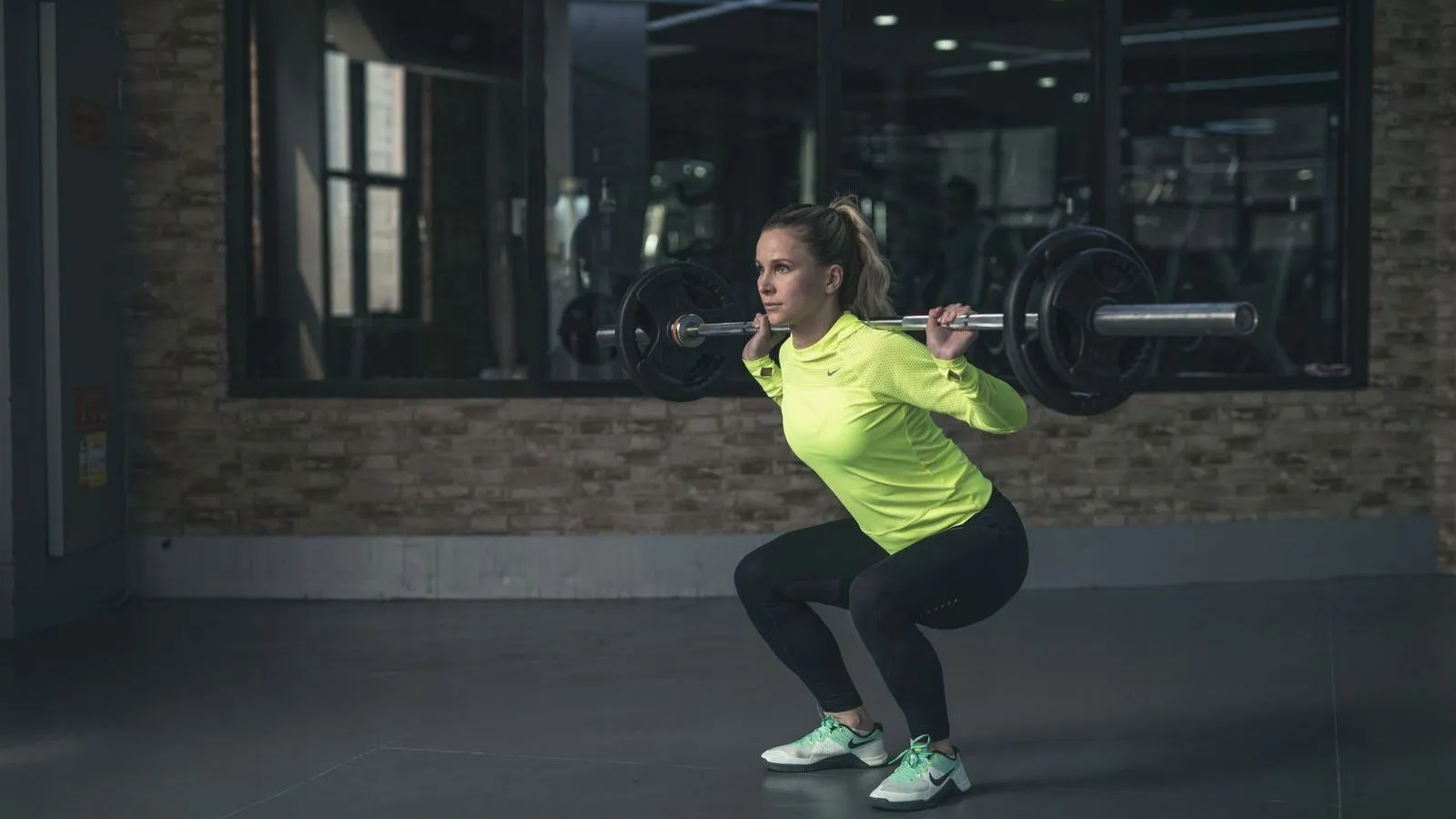
Weight training eased depression. So did the fake version.
A trial in young anxious women compared real resistance training against a deliberately feeble sham. Both produced large improvements, and the gap between them never became clear.
Aug 1, 2026
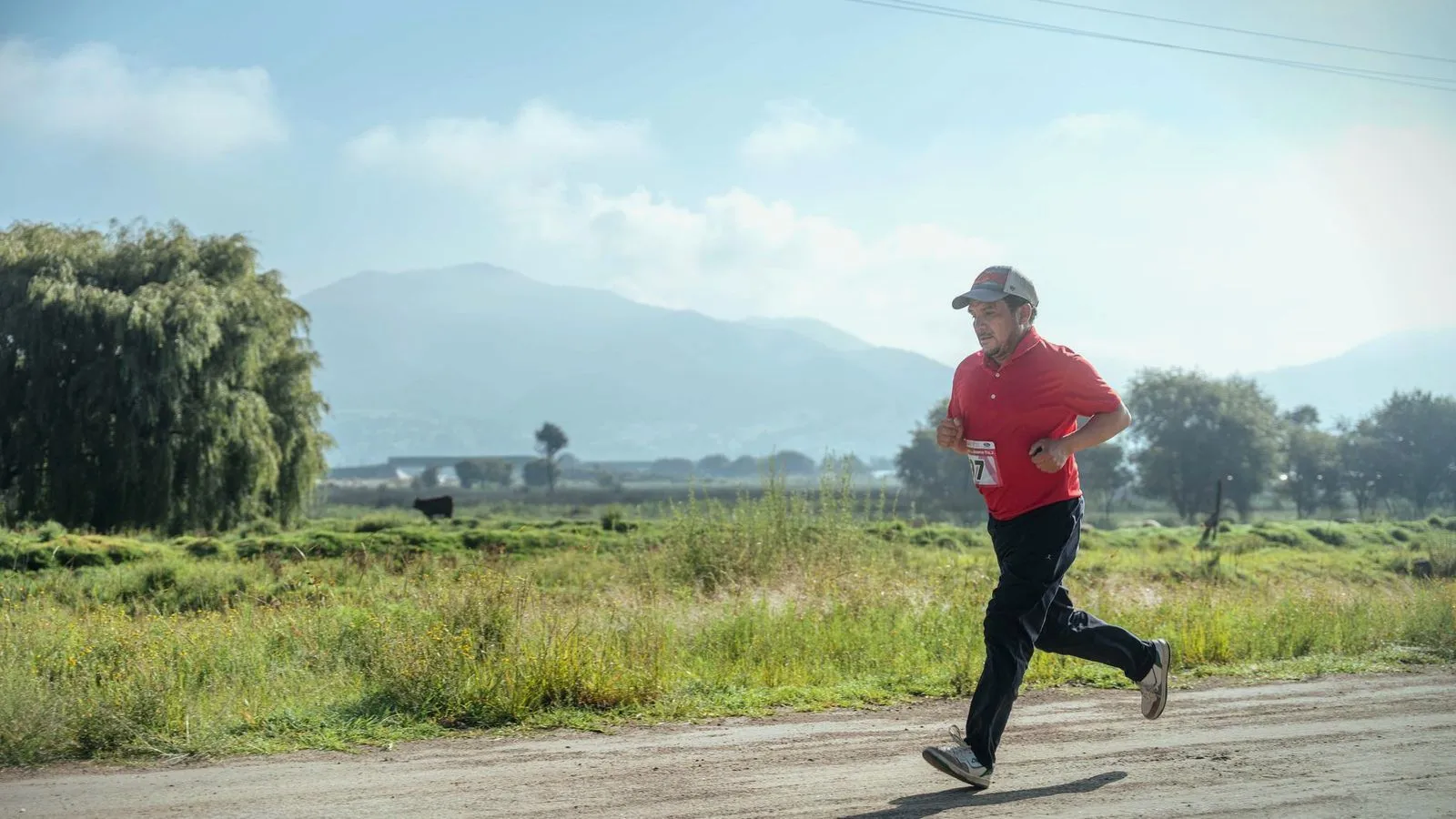
Arriving at 70 fit mattered more than getting fit after
A Generation 100 study of 1,491 Norwegians aged 70 to 77 found those with higher measured fitness had roughly half the Alzheimer's risk, while a year of improvement added little.
Jul 29, 2026

Sitting tracked with liver disease, not just heart disease
A Medicine & Science in Sports & Exercise study of 86,746 UK Biobank participants wearing accelerometers linked sedentary time to higher rates of chronic liver disease and liver-related death.
Jul 29, 2026
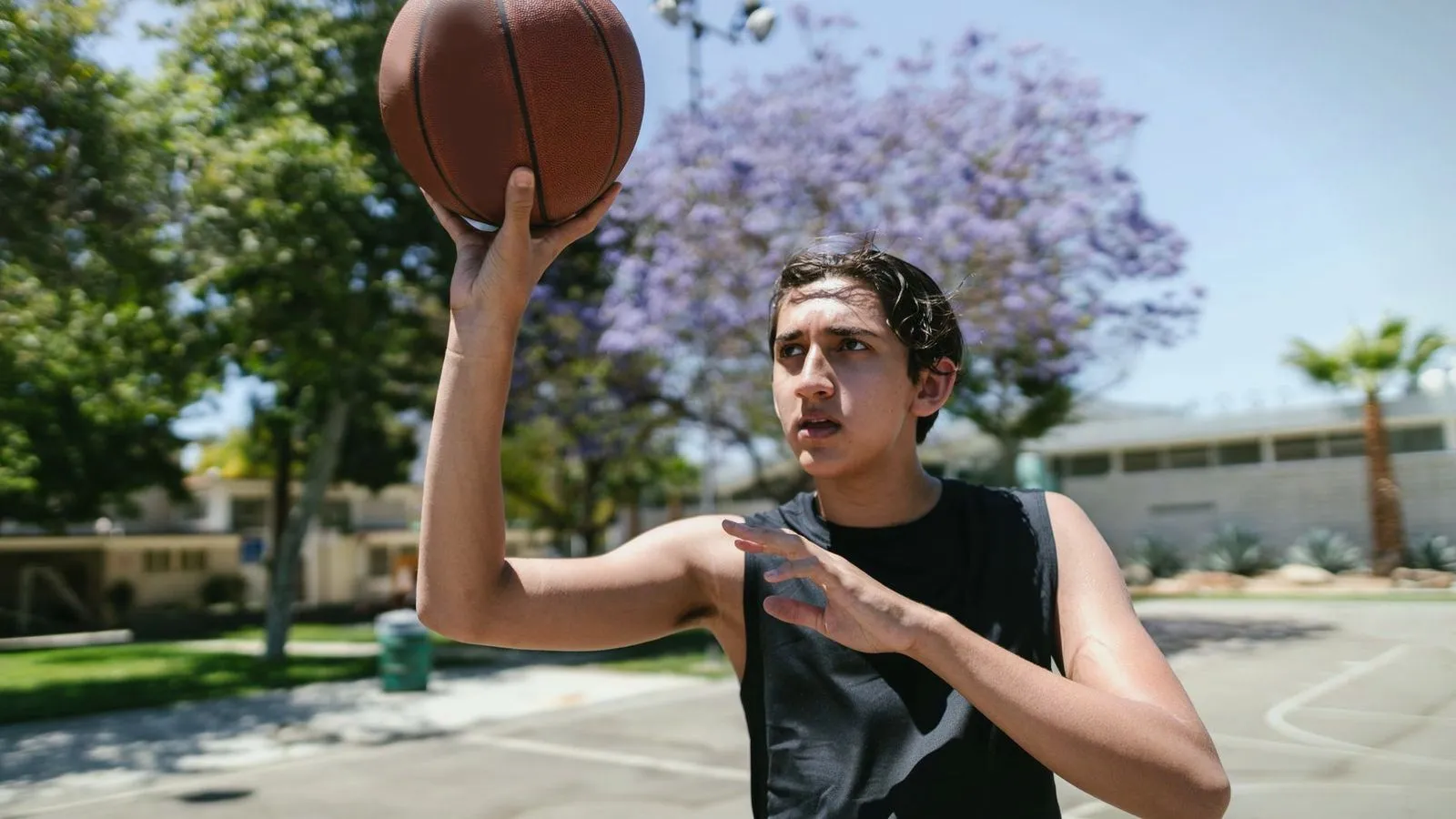
Exercise eased low mood in teens, and the EEG showed why
A JAMA Network Open trial gave 206 Chinese adolescents with mild depressive symptoms 12 months of aerobic exercise and found symptoms fell further than with psychoeducation.
Jul 29, 2026
Walking tracked with less dementia, nearly as much as running
A Lancet Public Health study followed 107,036 US health professionals for over 30 years and found walking tracked with lower dementia risk almost as strongly as vigorous exercise.
Jul 29, 2026

Swimming beat advice alone for chronic back pain
A British Journal of Sports Medicine trial randomized 76 adults with chronic low back pain to swimming plus education or education alone, and found a real short-term gain that faded by a year.
Jul 28, 2026

Interval training changed brain structure in cannabis users
A Molecular Psychiatry trial put 59 people with cannabis use disorder through 12 weeks of high-intensity intervals and found measurable changes in white matter and cortical thickness.
Jul 27, 2026
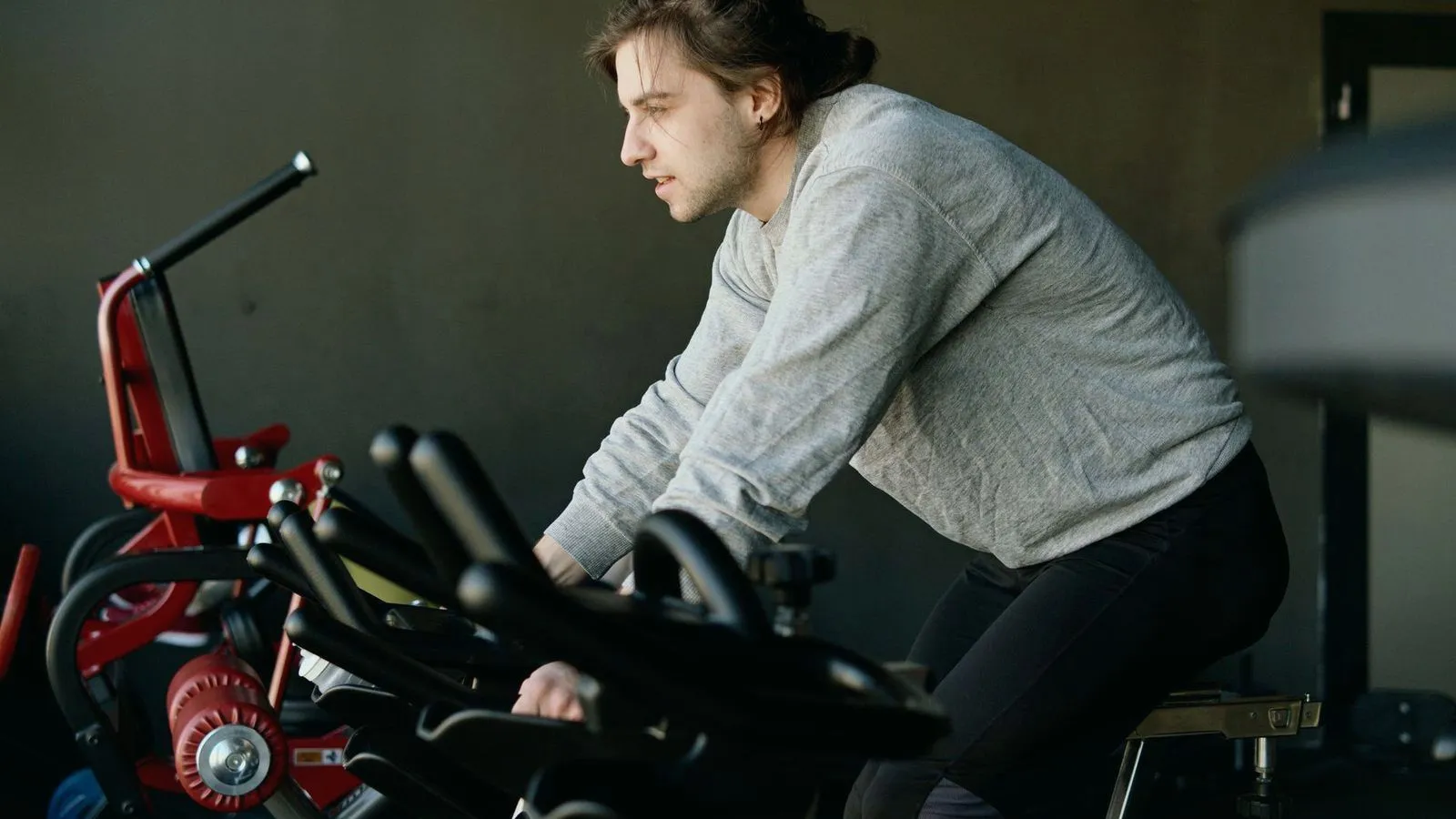
Exercise improved arteries where liraglutide did not
A Nature Metabolism analysis of 130 adults keeping weight off found exercise thinned artery walls and cut inflammation, while the drug liraglutide alone did neither despite similar weight control.
Jul 26, 2026
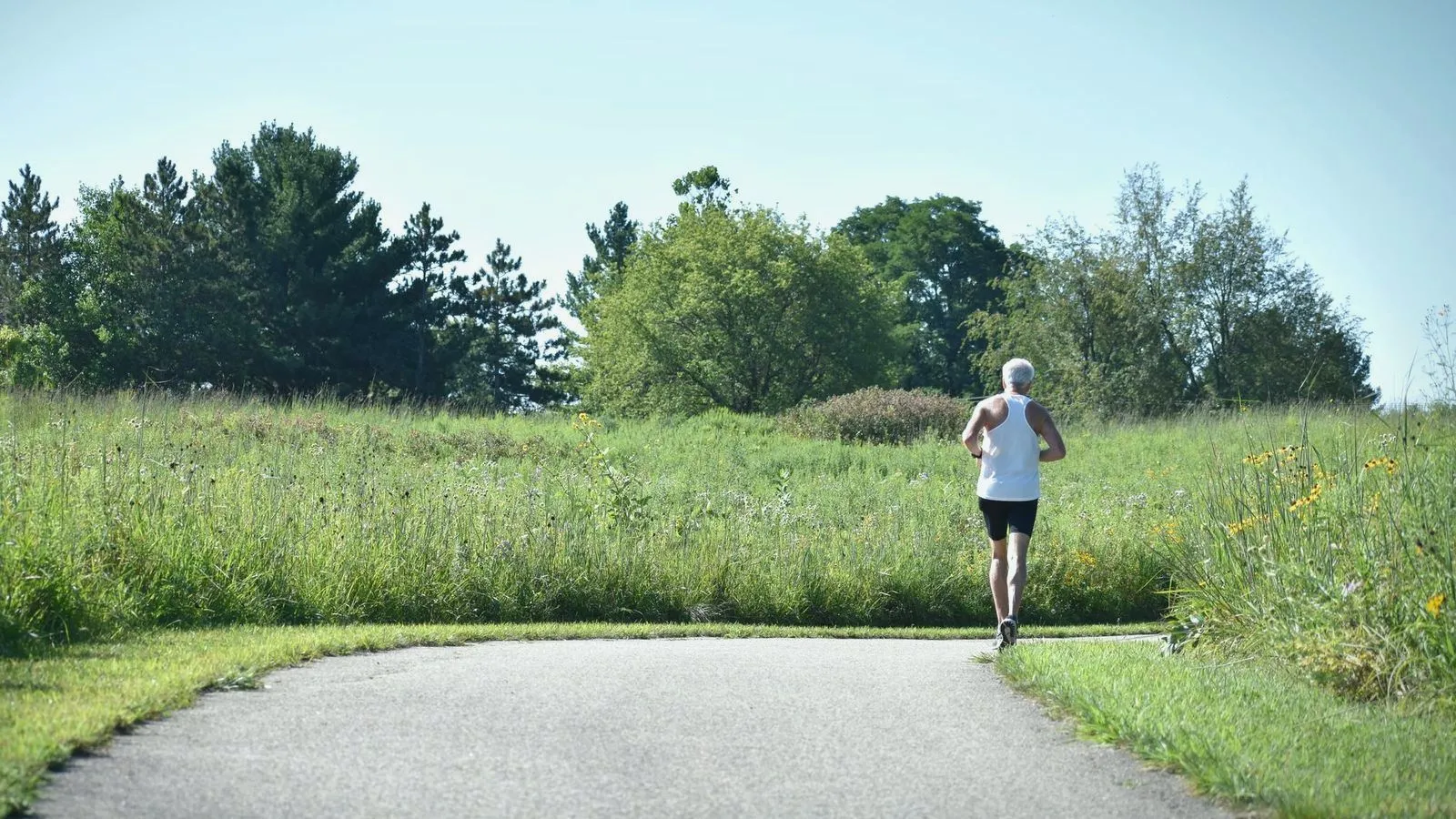
High-impact exercise did not wreck knees with osteoarthritis
A British Journal of Sports Medicine analysis of 17,661 Danes with hip or knee osteoarthritis found those doing high-impact activity were less likely to need a hip replacement, not more.
Jul 26, 2026
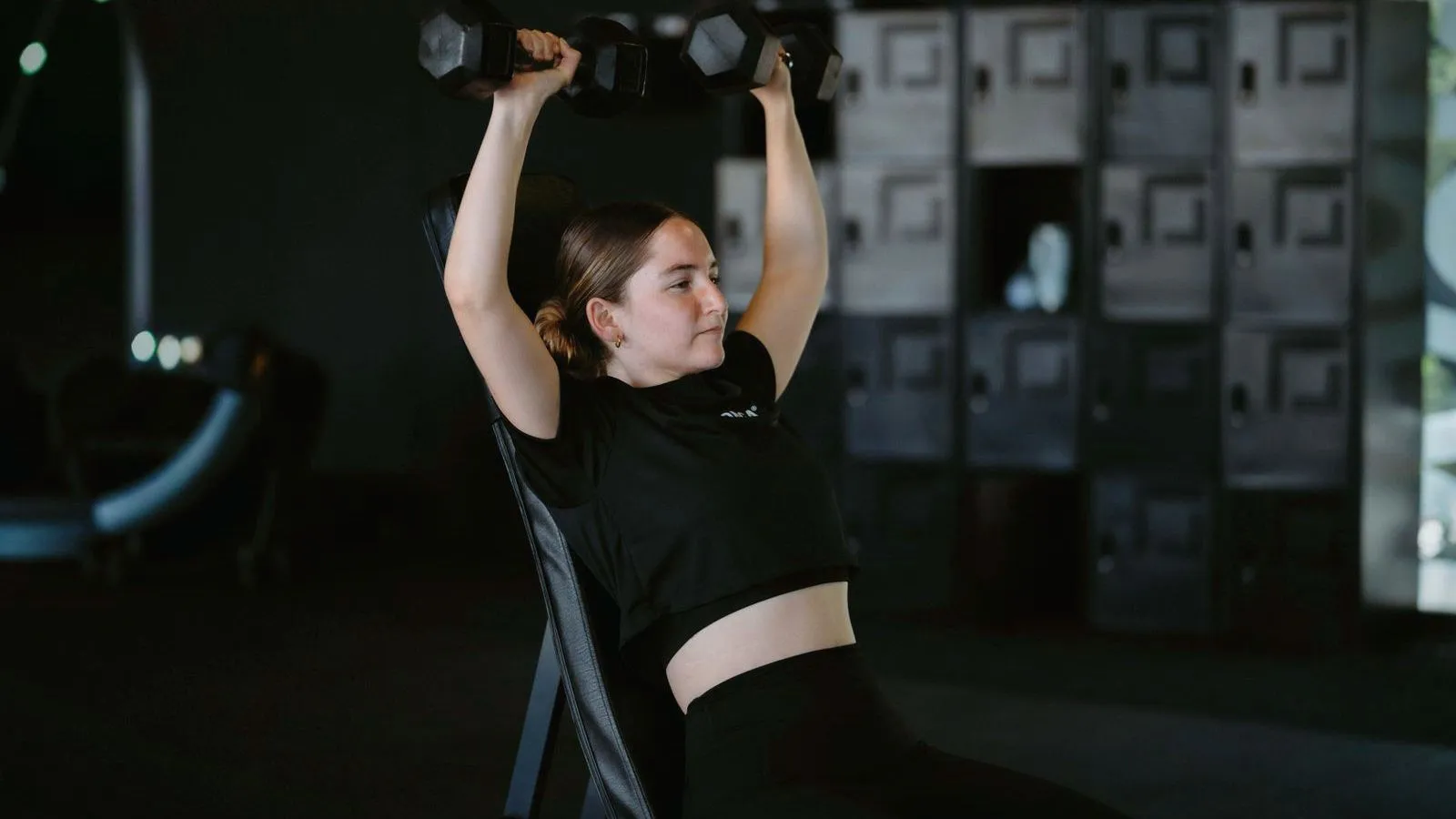
Resistance training in midlife tied to 42% less diabetes
A JAMA Network Open study of 143,715 US health professionals found people who kept up resistance training from 40 to 60 had 42% lower type 2 diabetes risk than those who did almost none.
Jul 26, 2026
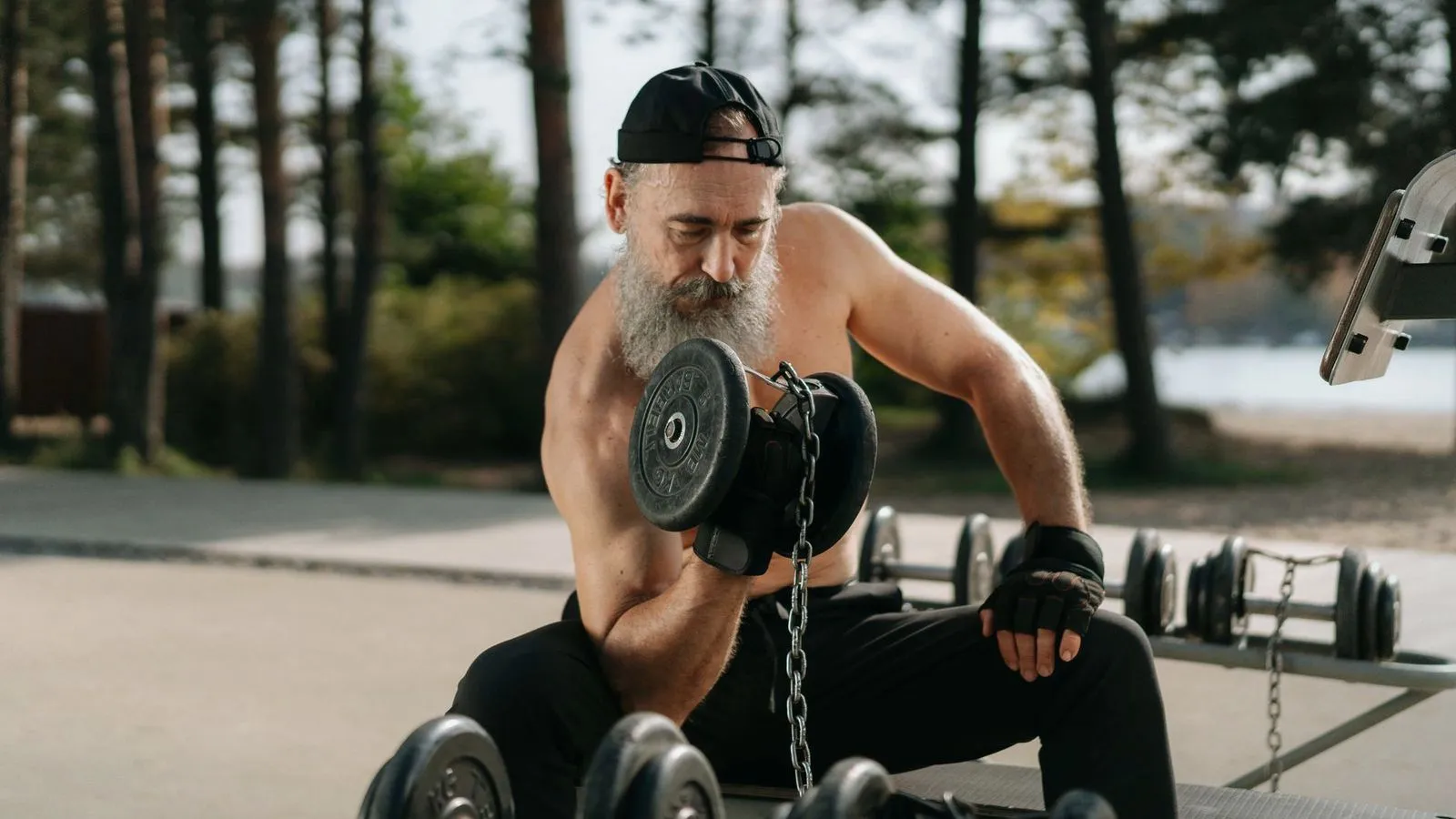
Exercise kept older muscle young at the molecular level
A Nature Aging study of muscle samples from young and older adults found that half the molecular differences normally caused by age were simply absent in older people who had trained for years.
Jul 25, 2026

A blood 'fitness signature' tracked much lower death risk
A pattern of blood molecules that mirrors physical fitness tracked much lower death and disease risk across about 354,000 UK Biobank participants over nine years. The pattern travels with fitness; shifting it may not change outcomes.
Jul 24, 2026
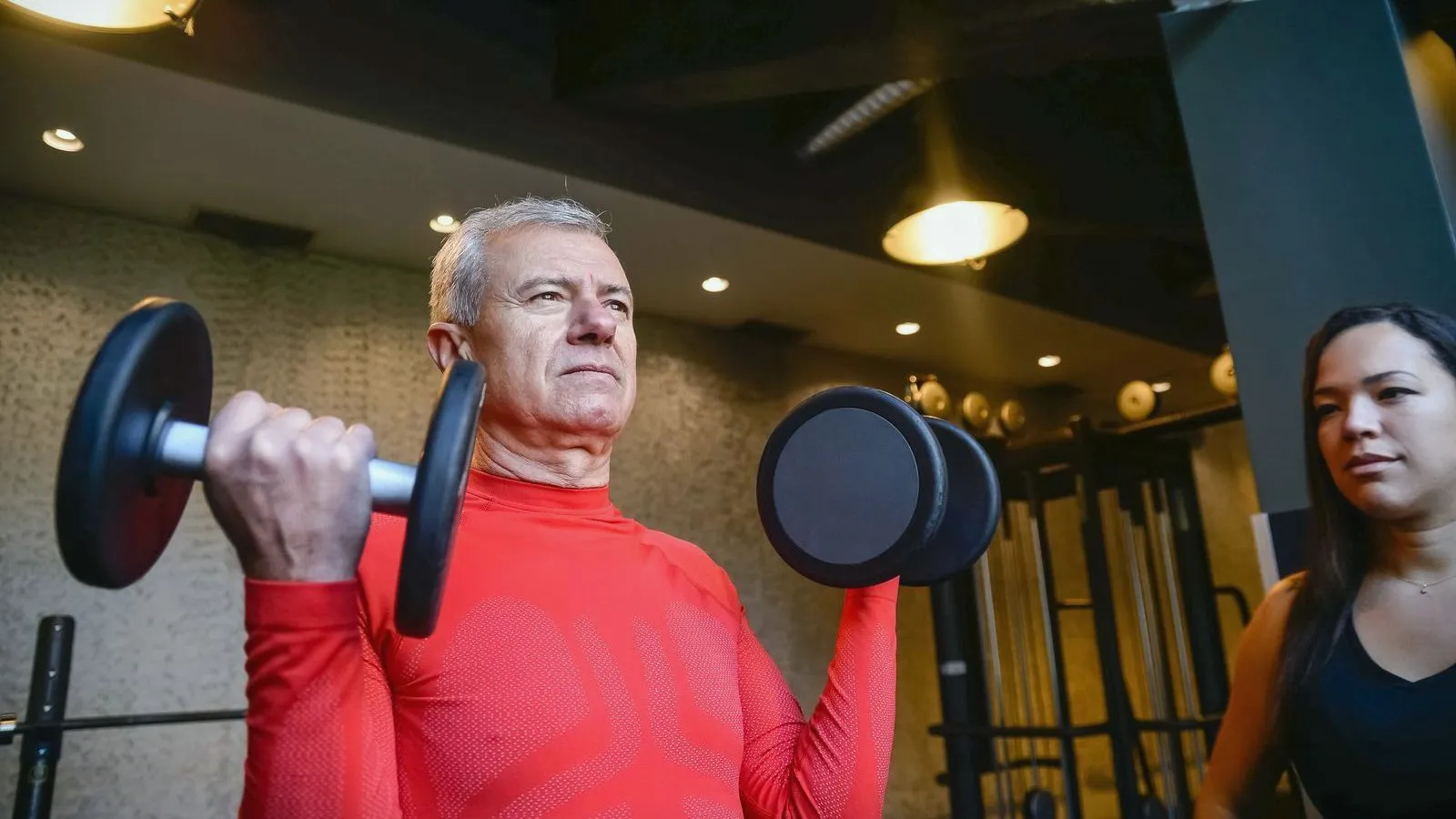
HIIT cut fat and held muscle in older adults, but barely
In a six-month trial of more than 120 healthy older adults, high-intensity interval training cut fat while holding onto muscle, unlike moderate exercise. The authors say the differences between intensities were small.
Jul 17, 2026