News · Fitness & Exercise
Regular exercise was linked to more alert immune cells in a blood study of 86 young adults
Researchers in Shenzhen compared the blood of 40 habitual exercisers and 46 sedentary adults, cell by cell. Exercisers' immune cells had threat-detecting genes more open and active, but one blood sample cannot show exercise was the cause.
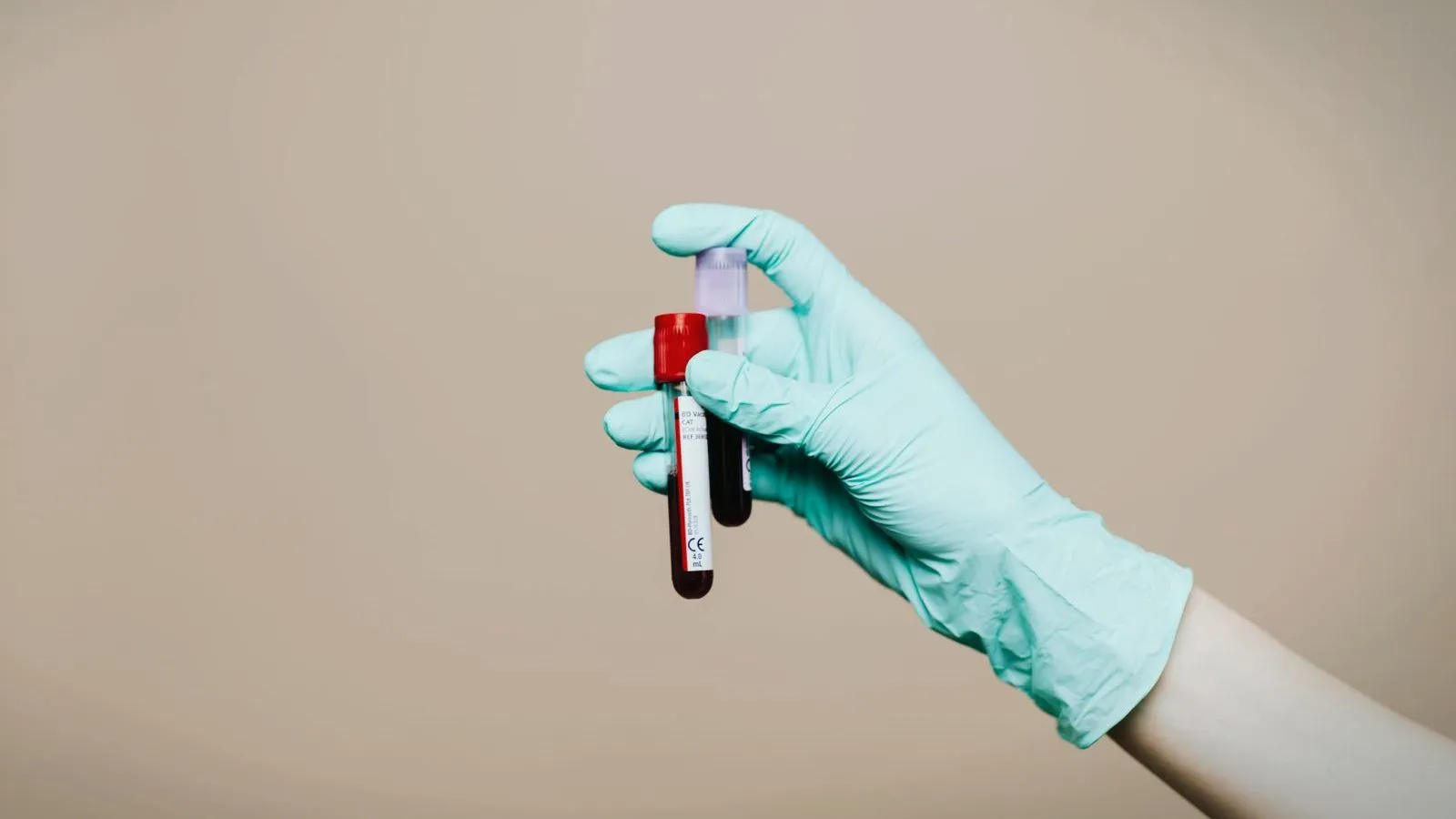
- A study of 86 young adults compared the blood of regular exercisers with people who did none.
- Exercisers' immune cells had threat-detecting genes more open and more active.
- Their blood also showed signs of better fat burning and quieter inflammation signals.
- Larger studies tie regular activity to fewer infections and fewer deaths from them.
- Exercise was self-reported and blood was taken once, so cause and effect are not established.
People who exercise regularly tend to get through winter with fewer colds, or at least they say so. Scientists have long had population figures that back the claim and very little idea of what is going on inside the cells. A study of 86 young adults in China has now looked there directly, reading the gene activity of immune cells one at a time.
The results, published in Science Advances in September, show a consistent difference between the 40 people who worked out regularly and the 46 who did not exercise at all. In the exercisers, the cells that raise the alarm about an invader had the relevant genes more open and more active. The study took a single blood sample from each person, so it describes a difference and stops short of proving where it came from.
What did the exercisers’ immune cells look like?
Xuemei Song, Chuanyu Liu and their colleagues drew on the Chinese Immune Multi-omics Atlas, a project in Shenzhen that enrolled 428 Chinese adults attending routine health checks. From them the team picked two contrasting groups. The exercisers trained at least three times a week and met World Health Organization activity targets. The sedentary group was defined as individuals who reported zero min of purposeful exercise per week and spent most of the day sitting. Everyone was between 20 and 40, and the average age was 28.
Ordinary blood tests already separated the two. The active group showed lower fasting blood sugar and blood fats and more of the cholesterol carrier usually called good cholesterol. The fluid part of their blood also carried the chemical traces of fat being burned for fuel, and the authors report that regular exercise was associated with enhanced fatty acid oxidation and antioxidant metabolites in plasma.
The new ground lay in the cells. The team used two techniques that work on single cells. One reads which genes a cell is actively copying into instructions. The other measures how tightly the DNA around each gene is packed, since a gene has to be unwound before it can be used. Looser packing means a gene is ready to go.
In exercisers, both readings moved together in a particular set of cells. Monocytes and B cells are among the body’s lookouts. They chew up fragments of bacteria and viruses and display them to other immune cells, a job called antigen presentation. In the active group those lookout cells showed concordant increases in both chromatin accessibility and transcription of antigen presentation genes. The genes for raising the alarm were both unpacked and switched on.
The cells that do the killing looked prepared as well. T cells and natural killer cells, which destroy infected cells, carried DNA that was already unwound at the genes they need for attack, a state the authors describe as preactivation. Signals that drive inflammation, meanwhile, were turned down.
Does a readier immune system mean fewer infections?
The study did not count infections, so it cannot answer that itself. Other research can, at least in outline.
A meta-analysis led by Sebastien Chastin at Glasgow Caledonian University pooled studies following more than half a million people. It found that a higher level of habitual physical activity is associated with a 31% risk reduction in infections caught in the community, and a 37% reduction in deaths from infectious disease. Trials in the same review showed that antibody concentration after vaccination is higher when an exercise program is added.
The pandemic supplied a blunt test. Among 48,440 adults with COVID-19 in a California health system, patients who were consistently inactive had a greater risk of hospital admission, intensive care and death than those who met activity guidelines. Age matters too. When researchers at the University of Birmingham examined cyclists aged 55 to 79 who had ridden for most of their adult lives, they concluded that many features of immunesenescence may be driven by reduced physical activity with age. Immunesenescence is the gradual weakening of immunity in later life.
What these studies lacked was a view inside the cell. A 2019 review of the field noted that newer laboratory methods would improve mechanistic understanding of how exercise-induced immune perturbations reduce the risk of common chronic diseases. The Shenzhen work is an example of that prediction arriving.
An outside expert agrees. Michael Siebers, a researcher at the University of Duisburg-Essen who was not involved, told Live Science: “It’s a really good paper, which is showing, for the first time, what is really happening when you’re doing sports on the intercellular level.”
Self-reported exercise, one blood sample and 86 young adults
The comparison is between two sets of volunteers at one moment. Nobody was asked to start or stop exercising, so the differences could have other sources. Those with sluggish immune systems might simply feel less like exercising, a possibility Siebers raised with Live Science. Siebers also pointed out that the study recorded how many minutes participants exercised and not what kind of exercise they did.
The authors list the main weaknesses themselves. Exercise habits came from a questionnaire, and they write that physical activity levels were assessed using a structured self-report questionnaire that was never checked against activity trackers. The volunteers were young and healthy, which the authors say limits the generalizability of our findings to aging or clinical populations. Nor were the two sides evenly matched: the higher proportion of females in the SED group may introduce residual confounding, meaning that sex differences in immunity could leak into the result despite statistical adjustment.
One design choice deserves a reader’s attention. To sharpen the contrast, the researchers dropped everyone in the middle. The 228 volunteers who walked, did housework or exercised below the guideline level were excluded to maximize phenotypic contrast. The study therefore compares roughly the most active one in eight with those who do nothing, and says nothing about whether a moderate amount of movement shifts the immune system at all.
For someone who already exercises, this is a plausible picture of what may lie behind a benefit that larger studies have reported for years. For everyone, it is a description of 86 young people’s blood and no basis for expecting protection from any particular routine. Siebers told Live Science that these types of deep dives into the cellular basis of exercise are important for furthering our understanding of why working out feels good, and summed the paper up in four words: “This is really deep stuff.”
It would take a trial to show that exercise is what put those immune cells on alert.
People also ask
Who was in the exercise and immune cell study?
The 86 participants were healthy, nonobese adults aged 20 to 40 from a Chinese health-check cohort, with an average age of 28. Forty exercised at least three times a week, reaching 150 minutes of moderate or 75 minutes of vigorous activity. Forty-six reported no purposeful exercise and mostly sitting.
What differed in the exercisers' blood?
They had lower fasting blood sugar and triglycerides and higher HDL cholesterol. In their immune cells, genes used to display fragments of microbes to other immune cells (antigen presentation) were both more accessible and more active, especially in classical monocytes and B cells, and signaling tied to inflammation was lower.
Did the study show exercisers get fewer infections?
No. It measured molecules and gene activity in a single blood sample and did not record illness. Separate research has linked higher habitual activity to a 31% lower risk of community-acquired infectious disease (hazard ratio 0.69, 95% CI 0.61 to 0.78), where a hazard ratio below 1 means lower risk.
Could the result be explained by something other than exercise?
Yes. Exercise habits were self-reported, the sedentary group contained more women, and people with intermediate activity were excluded. The authors adjusted for sex and body mass index, a measure of weight relative to height, and say residual confounding is still possible.
How much activity do guidelines recommend?
The World Health Organization threshold the study used to define regular exercisers is at least 150 minutes of moderate-intensity or 75 minutes of vigorous-intensity activity a week. This is general information rather than medical advice.
References
- Song, X., Lv, J., Ge, S., et al. Multiomics profiling identifies molecular and cellular signatures of regular exercise in human peripheral blood. Science Advances, 2026.
- Mackenzie, R. J. Regular exercise reshapes the immune system at a cellular level, study suggests. Live Science, 2026.
- Chastin, S. F. M., Abaraogu, U., Bourgois, J. G., et al. Effects of Regular Physical Activity on the Immune System, Vaccination and Risk of Community-Acquired Infectious Disease in the General Population: Systematic Review and Meta-Analysis. Sports Medicine, 2021.
- Sallis, R., Young, D. R., Tartof, S. Y., et al. Physical inactivity is associated with a higher risk for severe COVID-19 outcomes: a study in 48 440 adult patients. British Journal of Sports Medicine, 2021.
- Duggal, N. A., Pollock, R. D., Lazarus, N. R., Harridge, S., Lord, J. M. Major features of immunesenescence, including reduced thymic output, are ameliorated by high levels of physical activity in adulthood. Aging Cell, 2018.
- Nieman, D. C., Wentz, L. M. The compelling link between physical activity and the body's defense system. Journal of Sport and Health Science, 2019.