Reference
Verdicts
One compound, one answer. Evergreen reference pages on supplements, nutrients and food ingredients: what the evidence supports, what it does not, and how much any of it matters.

Ashwagandha: uses, evidence, dosing and safety
Ashwagandha has real evidence for stress and sleep, thinner evidence for strength, and a liver problem that arrived in 2017. The list of people who should avoid it is unusually long, and now includes thyroid patients.
Aug 3, 2026

Berberine: uses, evidence, dosing and safety
Berberine is sold as nature's Ozempic, a comparison it does not earn. It genuinely lowers blood sugar and some lipids, on small and limited trials; the weight-loss claim driving the marketing is the weakest part.
Aug 3, 2026
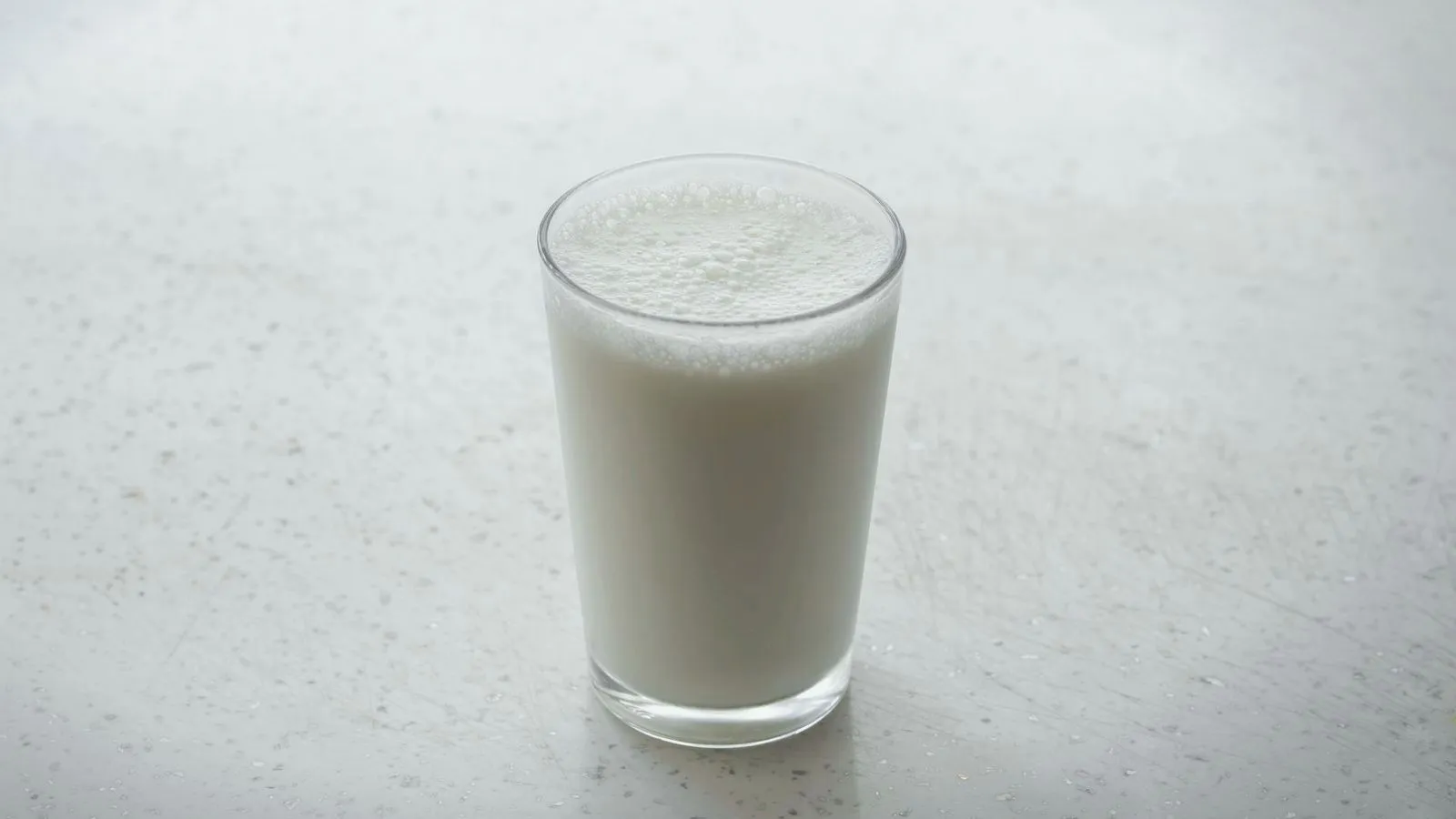
Calcium supplements: uses, evidence, dosing and safety
Calcium is taken for bones, and a 2026 BMJ review found little to no benefit for fractures or falls. Its best evidence is somewhere almost nobody looks: preventing pre-eclampsia in pregnancy.
Aug 6, 2026
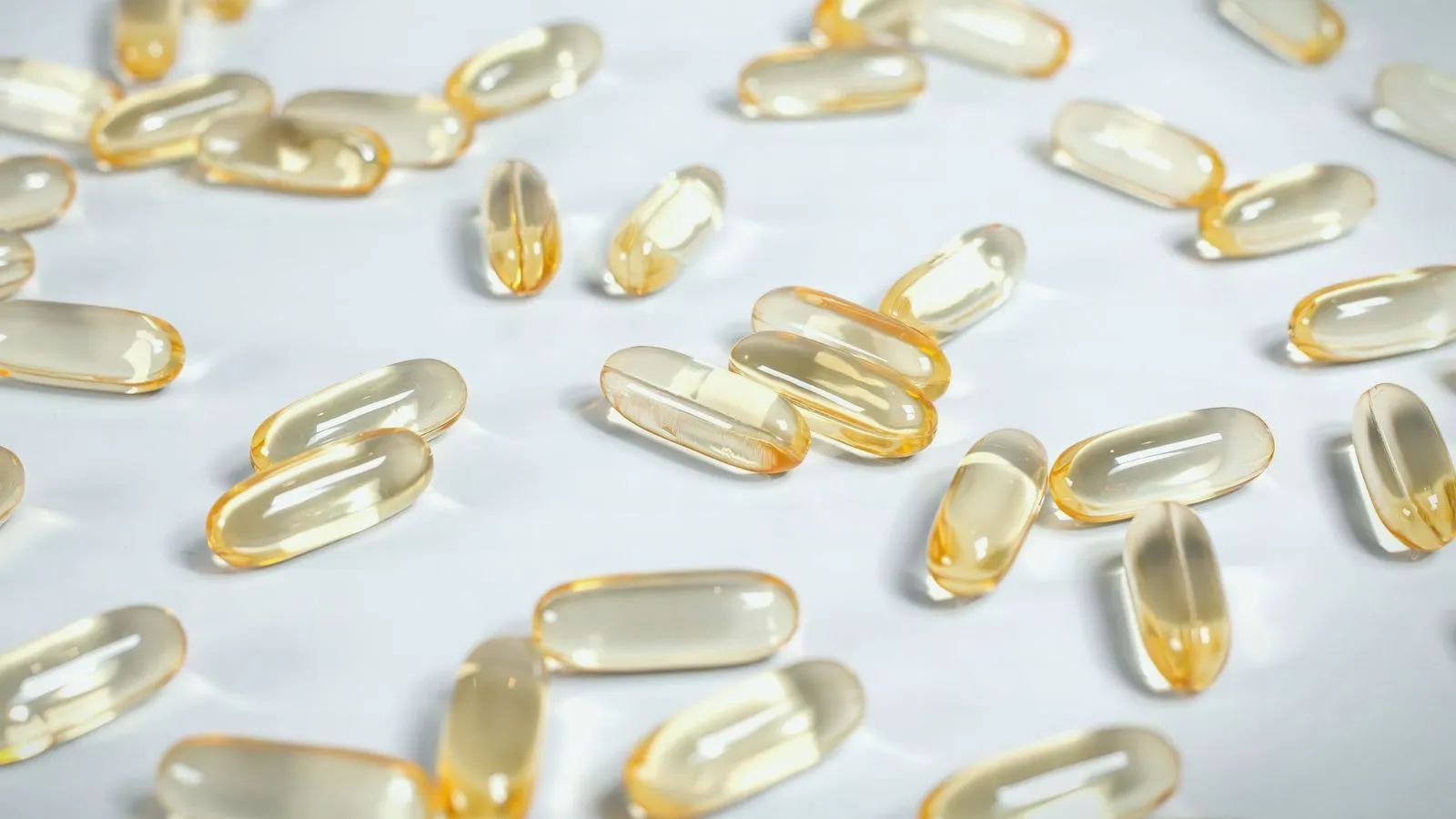
Coenzyme Q10: uses, evidence, dosing and safety
CoQ10 has decent evidence for the serious condition almost nobody buys it for, and it fails at the one thing almost everybody buys it for. Statin muscle pain is the claim that does not hold up.
Aug 5, 2026

Collagen: uses, evidence, dosing and safety
Collagen is sold for skin and works better for joints. A 2025 review found that industry-funded studies showed a skin benefit and independently funded ones did not.
Aug 6, 2026
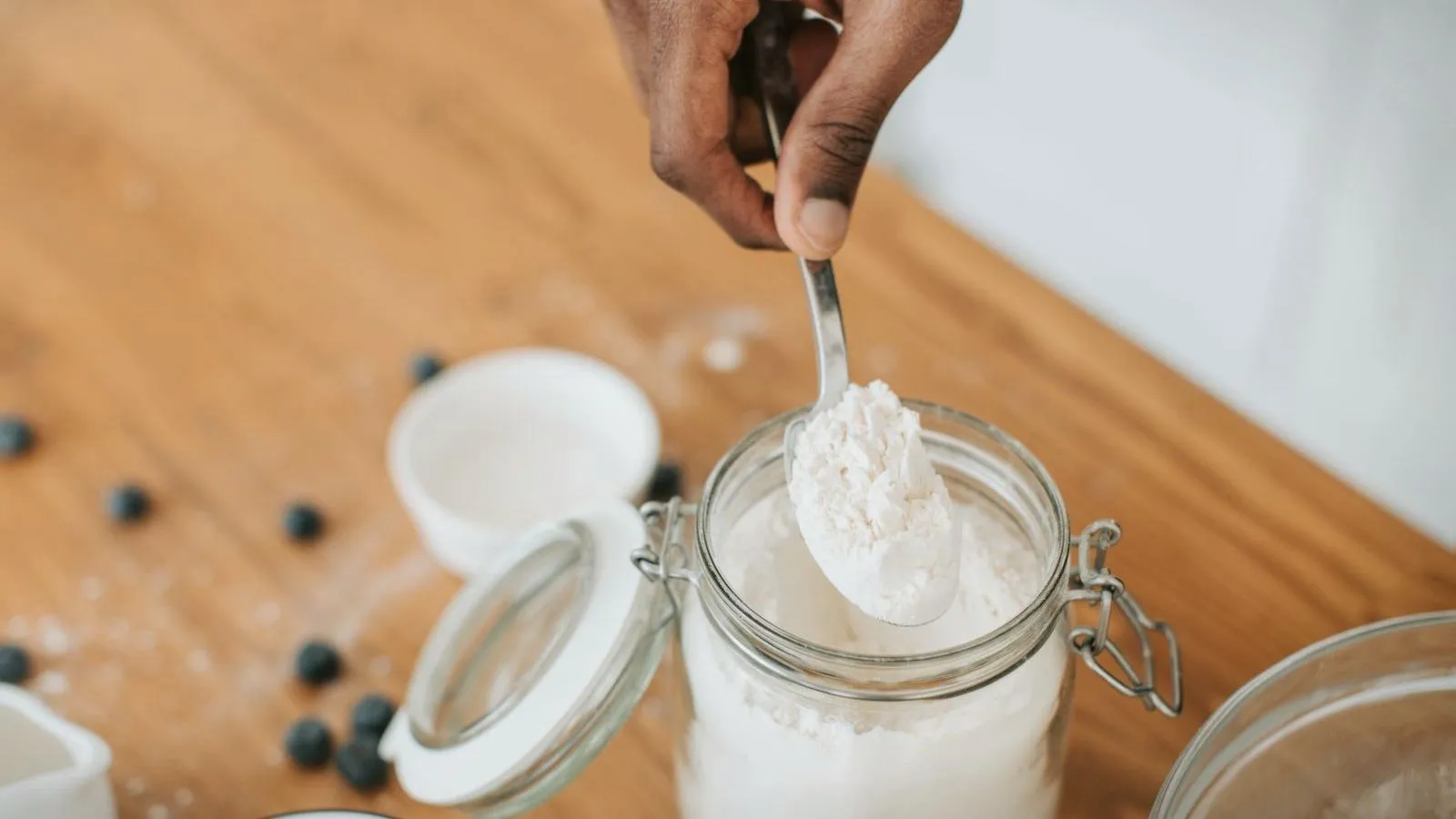
Creatine: uses, evidence, dosing and safety
Creatine builds strength and lean muscle alongside resistance training, and the evidence is unusually strong and consistent. The kidney and hair-loss fears are not supported. Memory effects are promising but unsettled.
Jul 22, 2026

Inositol: uses, evidence, dosing and safety
Inositol does two things, and it does them better than most of the supplement aisle: it lowers the risk of gestational diabetes, and it improves hormone markers in polycystic ovary syndrome.
Aug 6, 2026
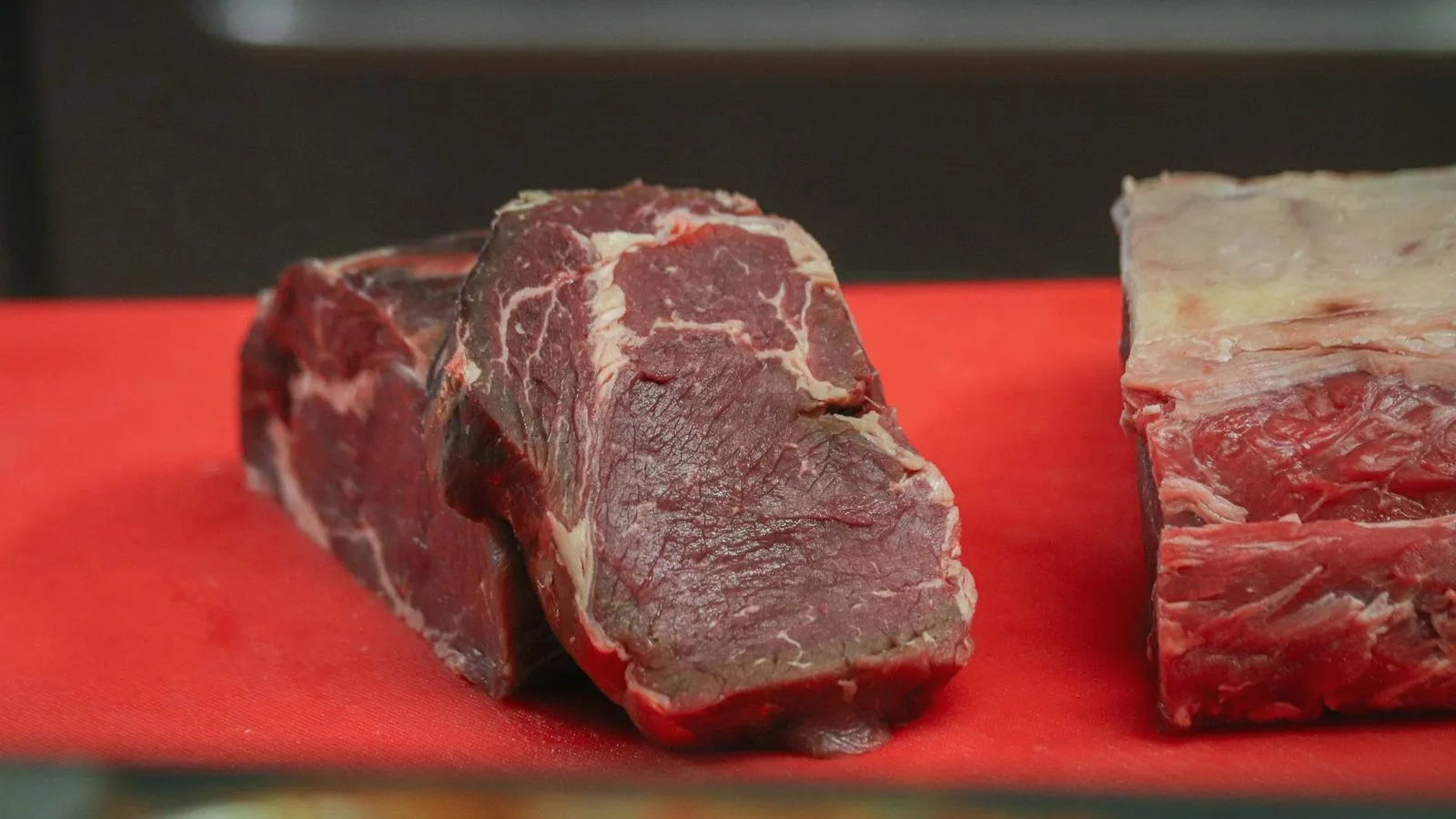
Iron supplements: uses, evidence, dosing and safety
Iron is the one supplement where taking it without a blood test is genuinely unwise. It fixes a diagnosed deficiency well, and the same dose in the wrong person accumulates with nowhere to go.
Aug 6, 2026
Magnesium: uses, evidence, dosing and safety
Magnesium is bought mostly for sleep, which is its weakest evidence. Its real results are elsewhere: blood pressure in people who are short of it, migraine frequency, and heart rhythm after surgery.
Aug 6, 2026

Melatonin: uses, evidence, dosing and safety
Melatonin shifts the body clock rather than causing sleep, which is why it works well for jet lag and badly for ordinary insomnia. In adults it cuts time-to-sleep by about five minutes.
Aug 5, 2026
NAC: uses, evidence, dosing and safety
NAC is a hospital antidote sold as a supplement, and the two are not the same claim. It saves lives in paracetamol overdose. For almost everything it is marketed for, the evidence is thin or uncertain.
Aug 5, 2026
NMN and NR: uses, evidence, dosing and safety
These reliably raise NAD+ in humans, and that is the strongest thing anyone can say. Trials that then measured whether people got better have mostly found they did not.
Aug 5, 2026
Omega-3 and fish oil: uses, evidence, dosing and safety
Omega-3 has the strongest single result of any supplement on this site, a high-certainty 15% cut in triglycerides. It also has a dose-dependent harm signal that almost nobody selling it mentions.
Aug 6, 2026
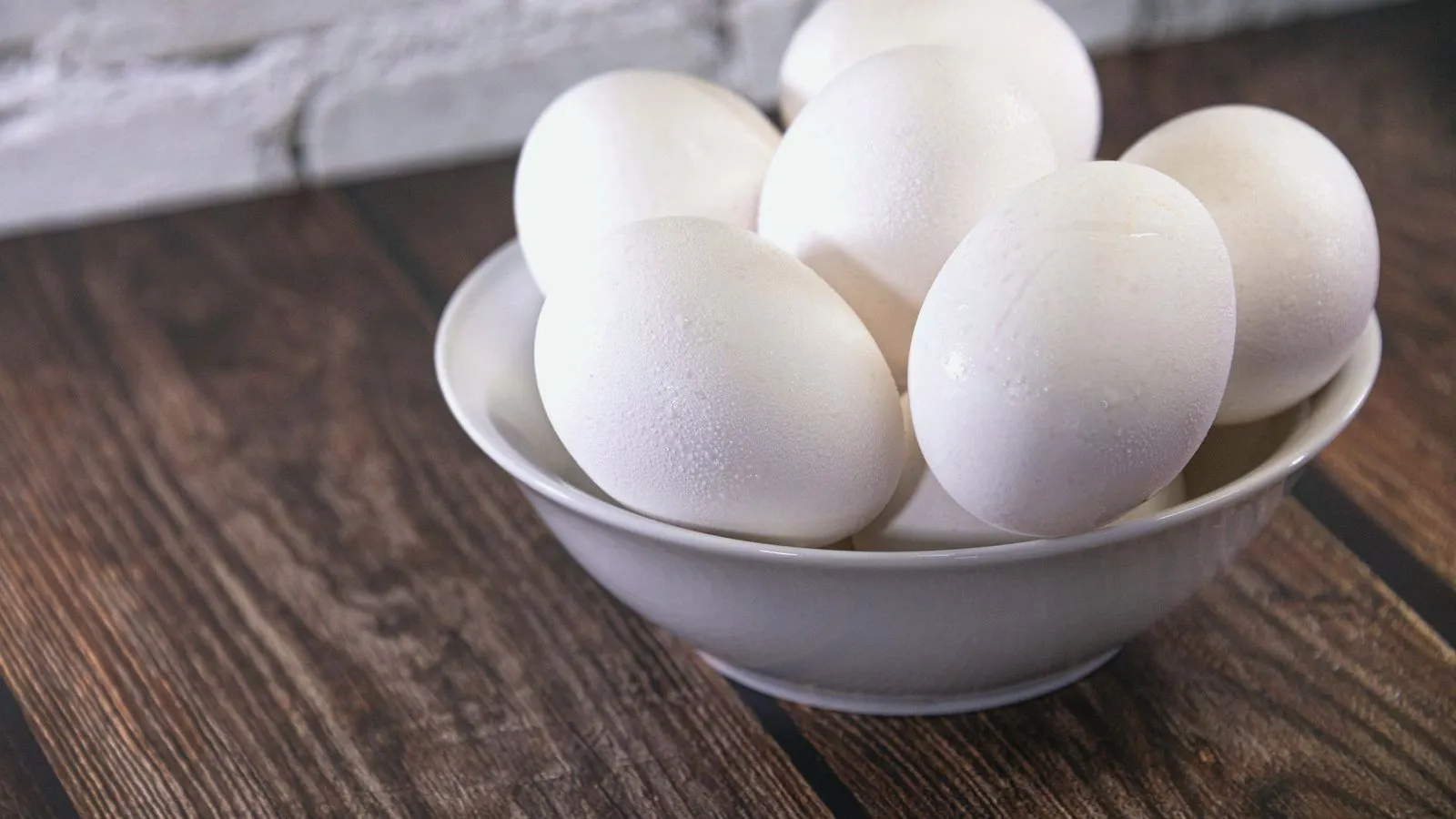
Phosphatidylcholine: uses, evidence, dosing and safety
Phosphatidylcholine's best-studied use is ulcerative colitis, where early promise did not survive the largest trials. Most other claims are weak, and gut bacteria turn its choline into TMAO, a debated heart concern.
Jul 22, 2026
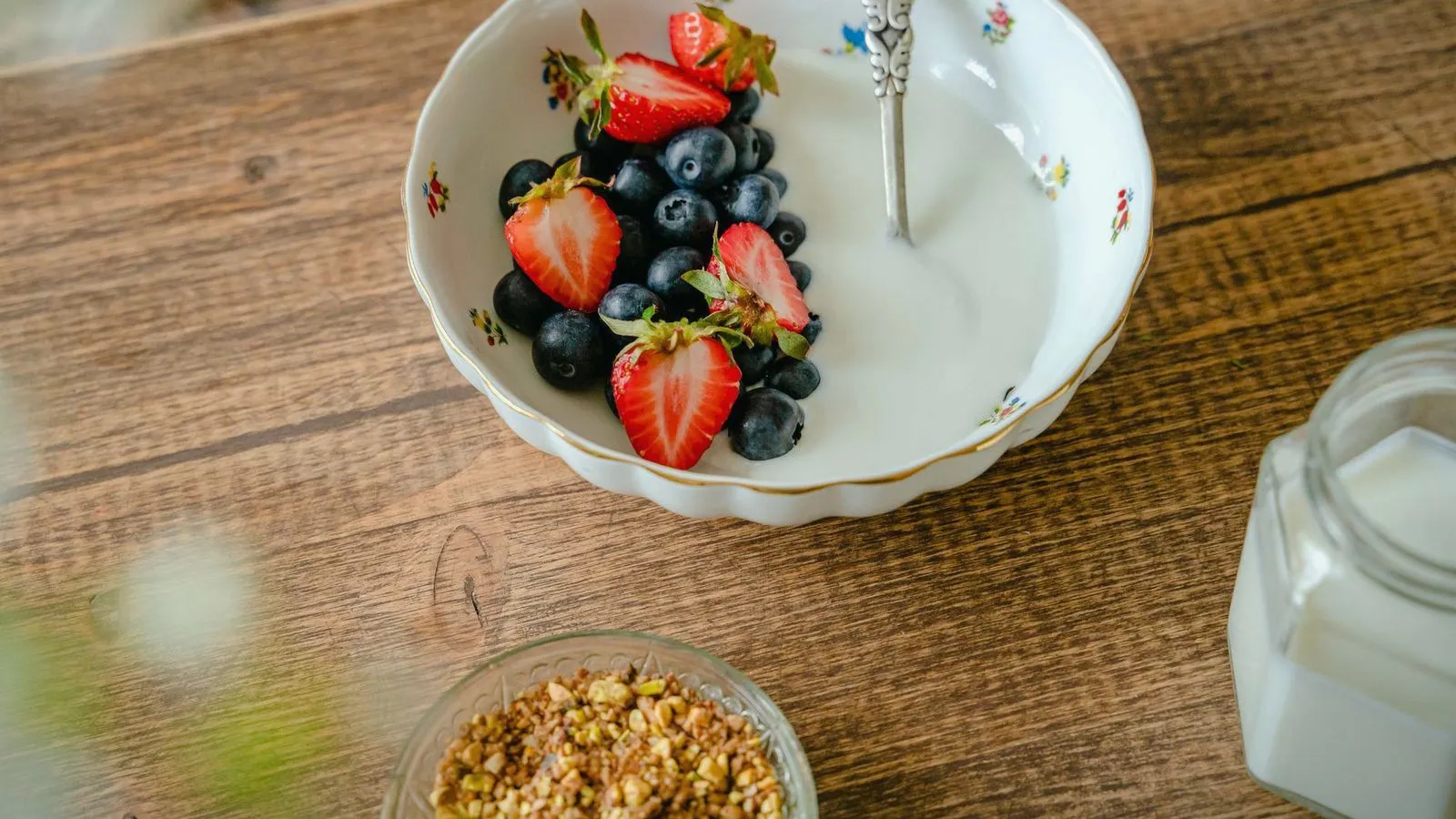
Probiotics: uses, evidence, dosing and safety
Probiotics have one strong result, halving antibiotic-related C. difficile diarrhea, and a long list of weaker ones. Cochrane noted probiotic-company funding in 28 of the 47 trials it pooled.
Aug 6, 2026

Resveratrol: uses, evidence, dosing and safety
The original longevity molecule, and Cochrane could not find enough evidence to judge it either way in type 2 diabetes. Twenty years on, the human results are mostly small or absent.
Aug 6, 2026
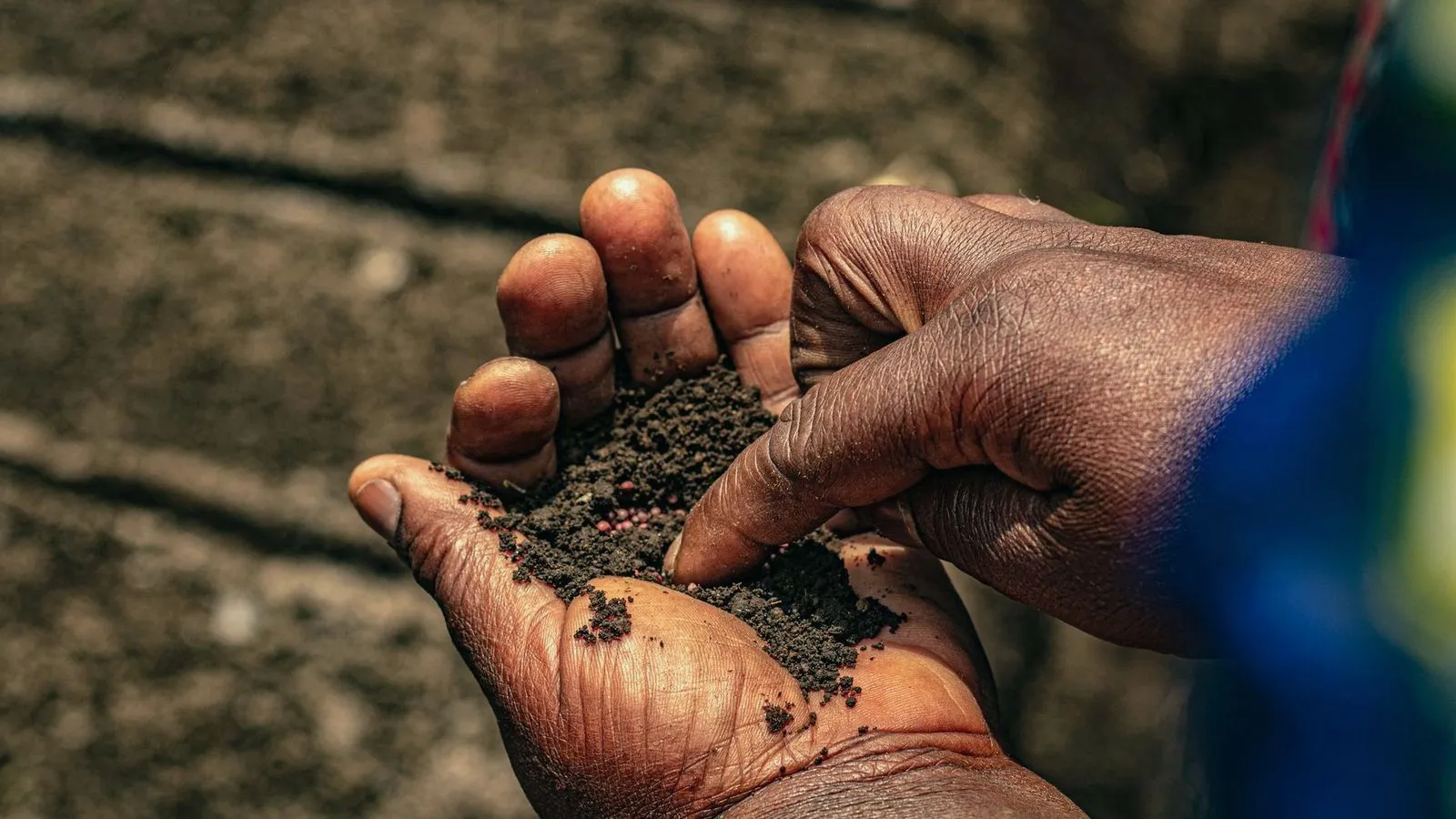
Selenium: uses, evidence, dosing and safety
Selenium is essential, and supplementing it when you are not short of it is the clearest honest-no in the supplement aisle. Cochrane found no cancer benefit at high certainty, plus signals of harm.
Aug 5, 2026

St Johns wort: uses, evidence, dosing and safety
The one herbal with real antidepressant evidence, and the one with the most dangerous interaction profile. It can make prescription medicines stop working, including contraceptives and transplant drugs.
Aug 5, 2026

Turmeric and curcumin: uses, evidence, dosing and safety
Curcumin barely absorbs, and the high-absorption forms built to fix that are the ones LiverTox links to liver injury. Knee osteoarthritis is the one solid use; the rest is thinner than the shelf suggests.
Aug 3, 2026
Vitamin B12: uses, evidence, dosing and safety
B12 inverts the usual advice here. Most people do not need it, but vegans, older adults and anyone on long-term metformin do, because untreated deficiency damages nerves in ways that may never reverse.
Aug 3, 2026
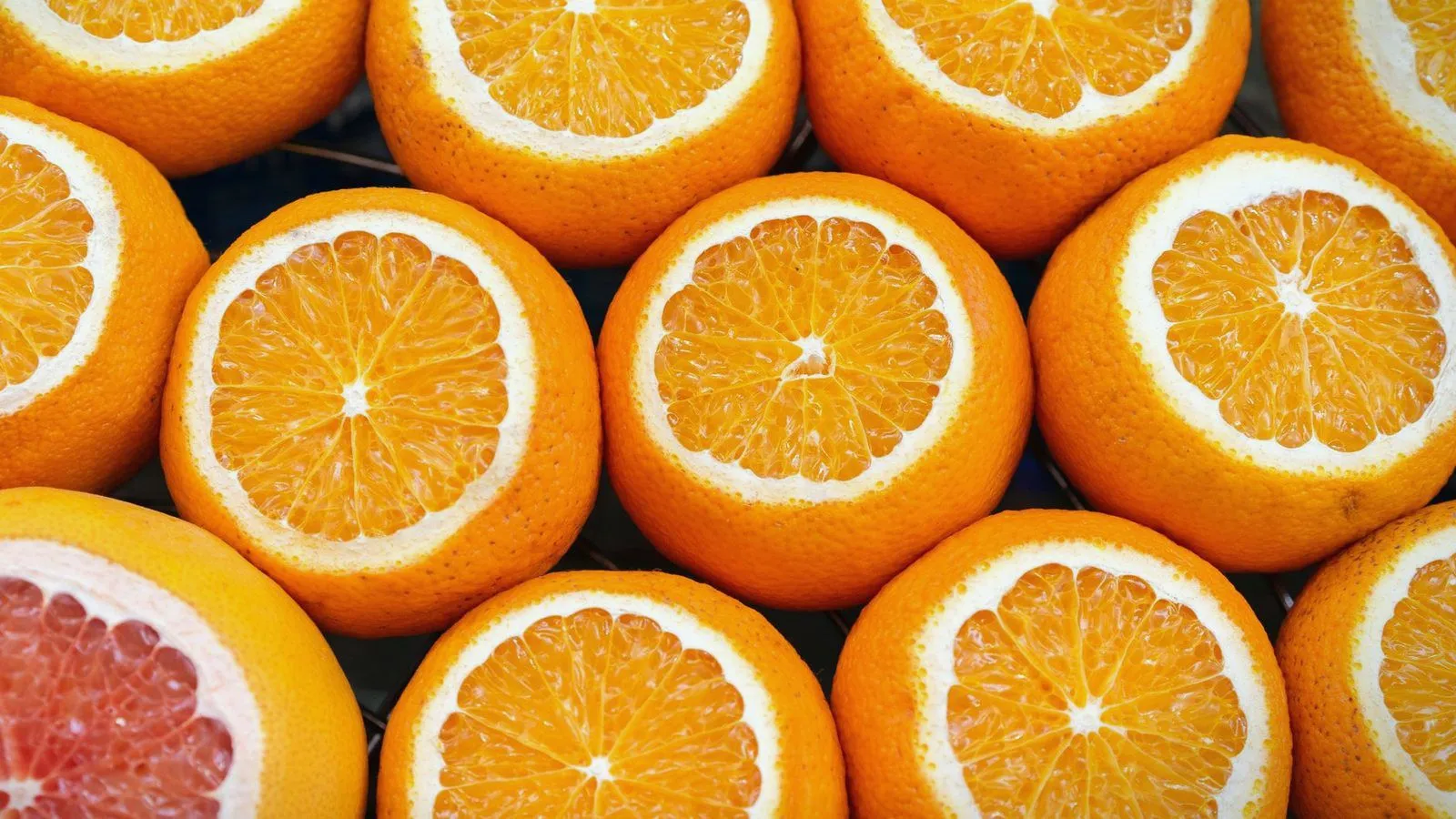
Vitamin C: uses, evidence, dosing and safety
Vitamin C has been tested against the common cold for sixty years and the answer is still a shrug: it may shorten one slightly, and taking it once a cold has started does almost nothing.
Aug 6, 2026

Vitamin D: uses, evidence, dosing and safety
Vitamin D is the most-studied supplement there is, and the pattern across thirteen uses is almost always the same: correcting a deficiency helps, and adding more on top of enough does not.
Aug 6, 2026
Zinc: uses, evidence, dosing and safety
Zinc has three evidence-backed uses: a lozenge for an adult's cold, a high-dose formula for existing macular degeneration, and children in places where deficiency is common. The daily immune capsule is not one of them.
Aug 3, 2026