verdict · Supplements
Iron supplements: uses, evidence, dosing and safety
Iron is the one supplement where taking it without a blood test is genuinely unwise. It fixes a diagnosed deficiency well, and the same dose in the wrong person accumulates with nowhere to go.
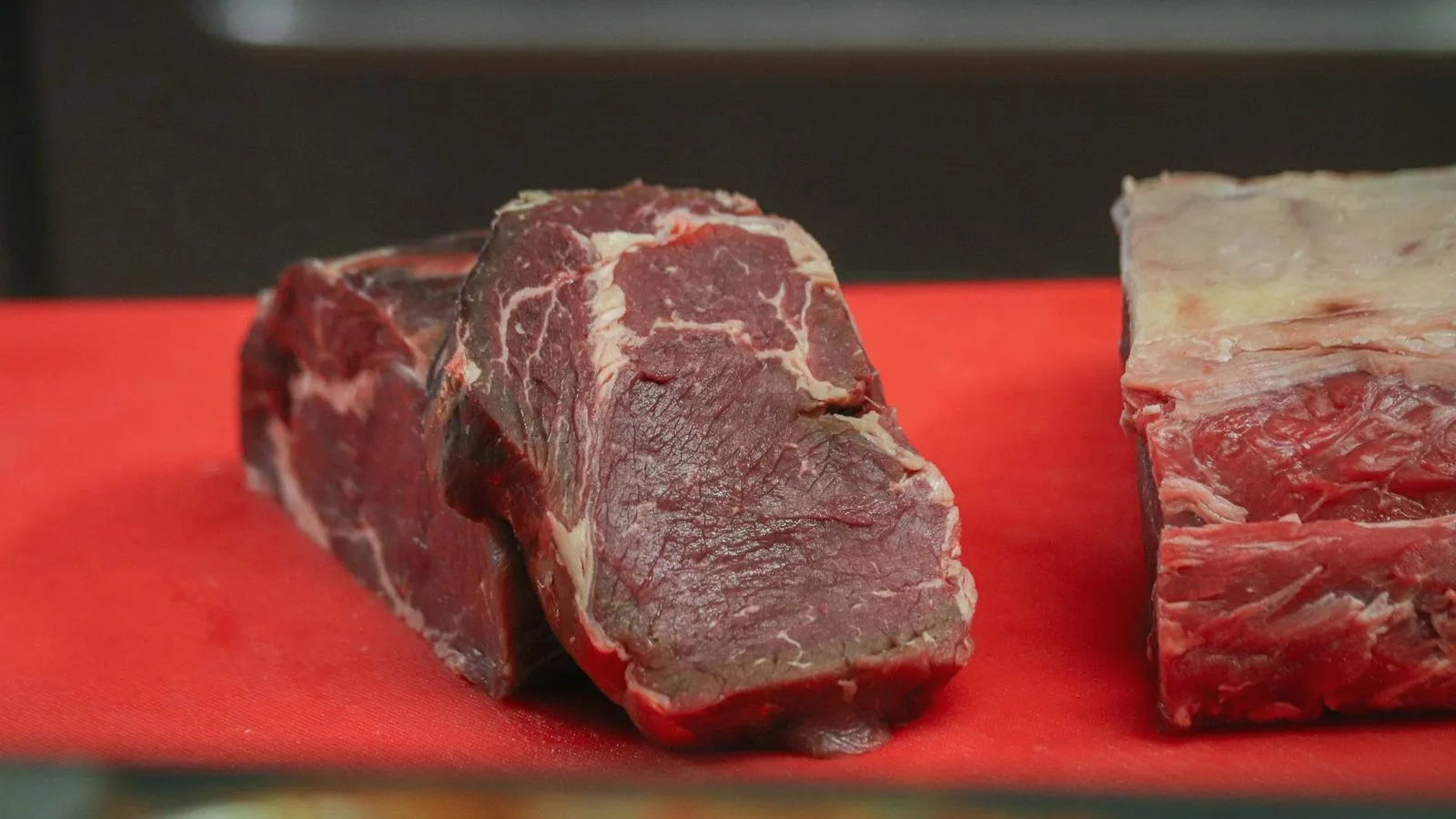
- The body has no way to excrete surplus iron, which is why testing before taking it matters.
- For tiredness without anemia the evidence is real but fragile: one study removed flips it.
- In heart failure with iron deficiency, intravenous iron cut cardiovascular events.
- Cochrane found iron may increase malaria where prevention services are lacking.
- Over half of collegiate athletes studied had low iron stores, mostly undetected.
Almost every page on this site ends with some version of “it probably will not hurt”. Iron is the exception.
It genuinely works for the thing it is meant for, and it is the one supplement where taking it without knowing your blood results is a bad idea rather than merely a waste.
What iron is
Iron is a mineral found in every cell of the body, and its central job is oxygen transport.
MedlinePlus states the reason it is essential: it is needed to make hemoglobin, a part of blood cells, and the body cannot make it, so it must be taken in with the food we eat.
Two forms come from food. Heme iron, from meat and fish, absorbs readily. Non-heme iron, from plants and fortified cereals, absorbs far less well and is affected by everything eaten alongside it.
How iron works, and why surplus is the problem
Absorption is regulated at the gut. When stores are low the body takes up more; when they are full it takes up less.
What the body does not have is a way out. There is no excretion route for surplus iron: it is lost only through bleeding and shed cells. Once absorbed, it stays.
That asymmetry shapes this whole page. For most nutrients an unnecessary supplement is money wasted. For iron it is a substance accumulating in a body that has no mechanism for removing it, which is why testing first is a real recommendation rather than a cautious formula.
What the evidence says about iron and anemia
The core use, and it is not seriously disputed.
Iron-deficiency anemia means too little iron to make enough hemoglobin, and correcting it corrects the symptoms. This page does not spend long on it because the evidence is old, settled and uncontroversial.
What is worth spending time on is what should happen before the treatment starts.
A 2026 review looked at what endoscopy finds in people investigated for iron-deficiency anemia. The overall prevalence of upper gastrointestinal malignancy was 5.0%, and the prevalence of colorectal cancer was 8.0%.
Roughly one in eight had a cancer. That is why unexplained iron deficiency in an adult is a reason for investigation rather than a reason for a supplement, and why treating the anemia without asking where the iron went can hide something serious.
The same review notes the other side: a total of 52.0% of upper gastrointestinal endoscopies and 66.0% of lower gastrointestinal endoscopies did not detect any abnormalities.
What the evidence says about iron and tiredness without anemia
The biggest consumer claim, and the evidence is a good lesson in reading a meta-analysis.
Iron deficiency without anemia means low stores, usually measured as ferritin, with a normal blood count. It is common, and it is the state most people are in when they buy iron for tiredness.
A 2017 meta-analysis found that across observational studies, the association between iron deficiency without anemia and fatigue was not significant.
Then its own honesty check: the overall results were not robust; removal of one study made the outcomes significant.
A finding that flips when a single study is removed is not a finding to act on. The authors conclude that improving Fe status may decrease fatigue while asking for the thing that is actually missing: diagnostic criteria for selecting fatigue patients who might benefit from Fe therapy.
What a newer review adds
A 2025 review in non-anemic people found more, and its most important sentence is the one that limits it.
Iron supplementation improved fatigue, physical well-being, cognitive intelligence, and short-term memory, though not attention or depression.
But: supplementation effects were absent when excluding ID participants, where ID is iron deficiency.
So the benefit belongs to people who were actually short of iron, even without anemia, and disappears in people who were not. That is the same pattern as vitamin D on this site, and it points at the same conclusion: the test decides whether the supplement does anything.
What the evidence says about iron in heart failure
The strongest clinical result iron has, and it is intravenous.
Iron deficiency is common in heart failure and worsens it. A 2026 meta-analysis of ferric carboxymaltose, or FCM, an intravenous iron preparation, found it associated with reduced risk of adverse cardiovascular events and improved functional capacity.
The functional gain is measurable in a way patients notice: FCM significantly improved 6-minute walk test performance by about 29 meters.
On survival the picture is less settled. It demonstrated a trend towards reduced all-cause and cardiovascular mortality at 1-year, and that effect was attenuated over longer follow-up.
This is a hospital treatment given by infusion, decided by a cardiologist, and it is not what a tablet from a shelf does. It is here because it is the clearest demonstration that correcting iron deficiency in the right person changes outcomes rather than numbers.
What the evidence says about iron and malaria
One of the few places in this whole library where the same intervention helps or harms depending on where you are.
A 2026 Cochrane review of iron supplements for children in malaria-endemic areas found the answer turns on what else is available.
Where malaria prevention and management services exist, iron may reduce clinical malaria slightly. Where they do not, iron may increase clinical malaria slightly.
Both findings sit at low certainty and both are small. What makes them important is the policy consequence, which the reviewers state directly: where resources are limited, iron can be administered without screening for anemia or iron deficiency, as long as malaria services are provided efficiently.
There is also a strongly positive combination. Adding iron to antimalarial prophylaxis results in a large reduction in clinical malaria, and that one is rated high certainty.
The mechanism is uncomfortable and worth naming: the malaria parasite needs iron too. Giving iron to a child in an area where infection is likely and treatment is not may feed the thing you were not treating.
What the evidence says about iron in athletes
Not a treatment finding but a prevalence one, and the number is arresting.
A review covering 17,519 athletes in 122 references from 23 countries, across 62 sports and four decades, found approximately 53.9% of student-athletes were found to be hypoferritinemic, meaning ferritin below 50, with 23.0% percent showing absolute iron deficiency.
Over half with low stores, nearly a quarter genuinely deficient, in a group whose performance depends on oxygen delivery and who are rarely screened.
The reviewers’ recommendation follows: changes in clinical practice guidelines are warranted to enable routine screening for iron deficiency among adolescent and collegiate athletes.
This is the one population on this page where the case for testing is being actively argued, and endurance athletes lose iron through several routes at once: sweat, gut bleeding, foot-strike damage to red cells, and in menstruating athletes, periods.
What the evidence says about iron and the brain in non-anemic people
Covered separately from fatigue because the claim is different and increasingly marketed.
The 2025 review found improvements in cognitive intelligence and short-term memory alongside the fatigue findings, and larger effects still in before-and-after studies without a control group, which are the weakest design here.
Its interpretation is careful and interesting: before anemia emerges, ID may impact brain function, potentially requiring identification and treatment.
That is a hypothesis about early deficiency being consequential, not a demonstration that iron improves anyone’s thinking. And it carries the same limit as the fatigue result: nothing happened in people who were not deficient.
What the evidence says about iron in cancer care
A safety question rather than a benefit one.
Intravenous iron is used to treat anemia in cancer patients, and the concern has been infection, since bacteria also need iron.
A 2024 meta-analysis found a numerical increase in infectious complications in the i.v. iron group, but the increase did not clear the threshold, and heterogeneity among the trials limit definitive conclusions.
Its overall verdict is reassuring with a caveat attached: i.v. iron therapy appears generally safe and effective in cancer-related anemia, while suggesting some increased risk in infectious complications.
Myths about iron, and what the evidence says
“Iron gives you energy.” Only if you are short of it. In the 2025 review, the benefits vanished when iron-deficient participants were excluded.
“Feeling tired means you need iron.” The observational link between low stores without anemia and fatigue was not significant, and flipped when one study was removed.
“Iron supplements are harmless if you do not need them.” The body cannot excrete surplus iron. This is the clearest reason on the site to test before supplementing.
“Anemia just needs iron.” In adults it needs a cause. Roughly one in eight investigated for iron-deficiency anemia in one review had a gastrointestinal cancer.
“Everyone in a poor country should get iron.” Cochrane found it may increase clinical malaria where prevention services are lacking, and reduce it slightly where they exist.
“Vegetarians are all iron deficient.” Plant iron absorbs less well, which raises requirements rather than guaranteeing deficiency. Vitamin C with meals and avoiding tea alongside food both help substantially.
Dosing and forms of iron
Requirements vary more than for almost any nutrient: menstruating women need roughly twice what men do, and pregnancy raises it further again.
Ferrous sulfate is the standard and the cheapest. Ferrous gluconate and ferrous fumarate differ mainly in how much elemental iron each tablet contains, which is the number to read rather than the tablet weight. Newer preparations claim gentler tolerability at higher cost and without outcome evidence behind the claim.
Two practical points have decent support. Vitamin C alongside improves absorption of the plant form; tea, coffee, calcium and dairy reduce it. And alternate-day dosing is increasingly preferred, because a daily dose raises a hormone called hepcidin that then blocks the next day’s absorption.
Food sources are worth naming: red meat, liver, shellfish, beans, lentils, tofu, fortified cereals and dark leafy greens.
Safety, side effects and who should be careful
Gut side effects are common and dose-related: constipation, nausea, cramping, and stools that turn black, which is harmless and alarming if nobody warns you.
The serious issue is accumulation. Anyone with hemochromatosis, the inherited condition that causes the body to absorb too much iron, must not take supplements. The same applies to some other anemias where iron is not the problem, and to people having repeated blood transfusions.
Iron tablets are also a leading cause of poisoning in young children, and they look like sweets. Child-resistant packaging and a high shelf are not optional.
Anyone taking iron long-term without a documented deficiency should ask why.
Interactions
Iron binds several medicines in the gut. The important ones are thyroid hormone, tetracycline and quinolone antibiotics, bisphosphonates, and levodopa for Parkinson’s disease. Spacing doses by several hours is the standard fix.
In the other direction, proton pump inhibitors and other acid-reducing drugs lower iron absorption, which is a common and often missed cause of a stubbornly low level.
Calcium supplements and iron compete, so they are best taken at different times of day.
Bottom line on iron
Iron is the supplement this site would most readily recommend and the one it would most firmly tell you to test for first.
If you are deficient, it works: for anemia unambiguously, for fatigue and possibly cognition in the pre-anemic state, and in heart failure it changes outcomes rather than markers. If you are not deficient, the evidence says it does nothing, and unlike almost everything else here, the surplus has nowhere to go.
Two situations deserve the ask rather than the purchase. Unexplained deficiency in an adult needs a cause found. And if you are an endurance athlete, the prevalence data suggests you are more likely to be short than you think, and rather less likely to have been checked.
One cause of unexplained deficiency is commoner than the clinical picture implies. Asymptomatic celiac disease accounts for roughly four in ten confirmed cases, and iron deficiency is often the only sign it leaves.
People also ask
What does iron do?
MedlinePlus puts it simply: iron is a mineral found in every cell of the body, and it is considered an essential mineral because it is needed to make hemoglobin, a part of blood cells. Hemoglobin is what carries oxygen from the lungs to everywhere else, which is why running short of iron produces tiredness and breathlessness before anything else.
Why is iron different from other supplements?
Because the body has no mechanism for getting rid of a surplus. Most nutrients are excreted when you take too much; iron is absorbed according to need and then stays. That single fact is why iron is the supplement where a blood test before starting is genuinely worth having, and why it is not a sensible thing to take speculatively.
Does iron help tiredness if I am not anemic?
There is a signal and it is fragile. A meta-analysis of iron deficiency without anemia found the association with fatigue in observational studies was not significant (pooled effect 0.10; 95% CI, -0.11 to 0.31), and its own sensitivity analysis found that result was not robust: removal of one study made the outcomes significant. A 2025 review in non-anemic people found improvements in fatigue and short-term memory, but those effects were absent when excluding iron-deficient participants.
What is the strongest clinical use?
Heart failure with iron deficiency, given intravenously. A 2026 meta-analysis found ferric carboxymaltose associated with reduced risk of adverse cardiovascular events and improved functional capacity, including a 29-meter gain on the six-minute walk test. It showed a trend toward lower mortality at one year that faded over longer follow-up.
Is iron safe to give everyone in poorer countries?
This is where the evidence gets genuinely context-dependent. A 2026 Cochrane review found that where malaria prevention and management services exist, iron may reduce clinical malaria slightly, and where those services are lacking, iron may increase clinical malaria slightly (RR 1.15; 95% CI, 1.02 to 1.30; low-certainty evidence). Their conclusion: iron can be given without screening only where malaria services are provided efficiently.
Should athletes be screened?
The prevalence data is striking. A review of 17,519 collegiate athletes across 62 sports found approximately 53.9% were hypoferritinemic, meaning low iron stores, and 23.0% had absolute iron deficiency. The authors argue that changes in clinical practice guidelines are warranted to enable routine screening among adolescent and collegiate athletes.
How should I take it, and what are the side effects?
Constipation, nausea and dark stools are common and dose-related. Taking it with vitamin C improves absorption; tea, coffee, calcium and dairy reduce it. Alternate-day dosing is increasingly used because it can absorb better than daily dosing. This is general information rather than medical advice, and iron should be taken on the basis of a blood test rather than a hunch.
Who should not take iron?
Anyone without a demonstrated deficiency, and particularly anyone with hemochromatosis, an inherited condition causing iron overload, or with liver disease. Unexplained iron deficiency in an adult, especially a man or a post-menopausal woman, needs investigating rather than supplementing: a study of that group found colorectal cancer in 8.0% and upper gastrointestinal malignancy in 5.0%.
References
- Oral iron supplements for children in malaria-endemic areas. Cochrane Database of Systematic Reviews, 2026.
- Intravenous ferric carboxymaltose in patients with heart failure and iron deficiency: a meta-analysis. ESC Heart Failure, 2026.
- Iron deficiency without anaemia is a potential cause of fatigue: meta-analyses of randomised controlled trials and cross-sectional studies. British Journal of Nutrition, 2017.
- Psychiatric and cognitive outcomes of iron supplementation in non-anemic individuals. Neuroscience & Biobehavioral Reviews, 2025.
- The Global Prevalence of Iron Deficiency in Collegiate Athletes: A Systematic Review and Meta-Analysis. Pediatric Blood & Cancer, 2024.
- The prevalence of nonmalignant gastrointestinal disease in patients with iron deficiency anemia. European Journal of Gastroenterology & Hepatology, 2026.
- MedlinePlus Medical Encyclopedia. Iron in diet. US National Library of Medicine.