News · Nutrition & Diet
Blood linoleic acid tracked with 25% less leg artery disease across 9 cohorts of 137,704 adults
A University of Minnesota-led consortium measured omega-6 fats in blood and followed adults for a median of 14 years. Those with the most linoleic acid, the main seed-oil fat, had less peripheral artery disease; other omega-6s did not.
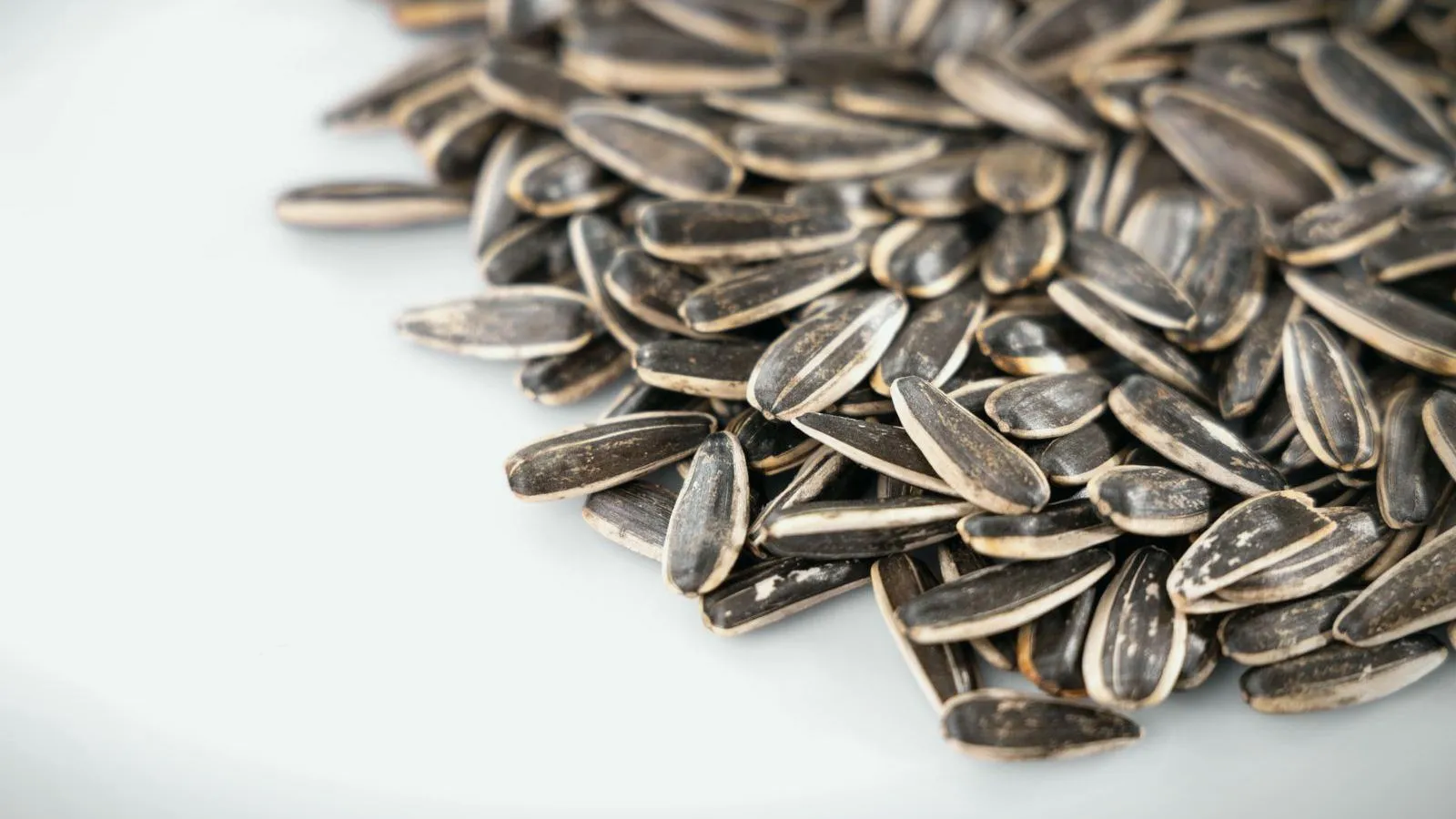
- Adults with the most linoleic acid in their blood had about a quarter lower risk of peripheral artery disease.
- Four other omega-6 fats, including arachidonic acid, showed no link either way.
- For leg artery disease, the result runs against claims that seed oils, the main source of linoleic acid, are harmful.
- Blood was tested once, the study is observational, and trials adding omega-6 fats have shown little benefit.
Seed oils have become one of the more unlikely villains in American food talk. Soybean, corn and sunflower oil have drawn growing suspicion, and the government’s new dietary-guidelines site now describes real food as prepared without added sugars, industrial oils, artificial flavors or preservatives. The main fat in those oils is linoleic acid, or LA, an omega-6 fat and an essential fatty acid, meaning the body cannot make it and has to get it from food.
A large study published on October 10 in the Journal of the American Heart Association looked at linoleic acid in the blood and one particular kind of artery disease. It found no sign of harm, and a lower risk. Researchers from the Fatty Acids and Outcomes Research Consortium, known as FORCE, were led by Sarah Nomura and Michael Tsai of the University of Minnesota. They pooled data on 137,704 adults in nine cohorts, followed for a median of 14 years. Those with the most linoleic acid in their blood had about a quarter lower risk of developing peripheral artery disease than those with the least. Four other omega-6 fats showed no link either way. The study is observational, so it shows an association, but it comes from a large study that measured fats in blood rather than relying on food diaries.
What peripheral artery disease is
Peripheral artery disease, or PAD, is a narrowing of the arteries outside the heart, most often in the legs. It affects more than 230 million adults worldwide, according to an American Heart Association scientific statement. It goes with a higher risk of heart attack and stroke, and of leg problems up to amputation. The same statement notes that the condition has been historically underappreciated by doctors and patients alike, partly because of the belief that a leg vascular disease is not fatal, and partly because of limited availability of the first-line diagnostic test in ordinary clinics. It is usually diagnosed with the ankle-brachial index, a comparison of blood pressure at the ankle and the arm. Even once it is found, the statement adds, many patients with PAD are not receiving evidence-based therapies, from medicines to supervised exercise.
Diet has been studied far more for heart attacks and strokes than for the legs. In 2019 the FORCE team itself pooled 30 cohorts and found that higher blood levels of linoleic acid were associated with lower risks of total CVD, meaning cardiovascular disease, including cardiovascular deaths and strokes caused by blockages. That analysis covered 68,659 people and 15,198 cardiovascular events, and it found no sign that arachidonic acid, the omega-6 the body makes from linoleic acid, raised risk. PAD was not one of the outcomes. The authors note in the new paper that omega-6 fats had previously been associated with several PAD risk factors, but whether they relate to developing the disease itself had not been tested on this scale.
How the consortium measured omega-6 fats in blood
Most nutrition studies ask people what they eat, and fats hidden in cooking oils and processed food are hard to recall. FORCE works differently. Each of the nine cohorts had measured the fatty acids in participants’ blood at the start. Because the body cannot make linoleic acid, its level in blood works as one of the biomarkers of dietary omega-6 intake, a more objective record than a questionnaire.
The researchers then followed participants who were free of clinical PAD at baseline and counted new diagnoses. Over a median of 14 years, 2,014 developed the disease. Each cohort ran the same prespecified analysis, taking account of a set of other risk factors chosen in advance, and the results were combined.
Not every cohort measured every fat. Linoleic acid was measured in all nine. Arachidonic acid, which the body makes from linoleic acid, was available in eight cohorts covering 33,541 people, and three less common omega-6 fats in six or seven cohorts covering 27,000 to 30,000 people. Those smaller analyses still included between 1,435 and 1,766 people who developed PAD, out of 2,014 in all. Most of the PAD cases, in other words, came from the cohorts that measured every fat, while much of the 137,704 total came from cohorts that measured only linoleic acid and recorded relatively few cases. The smaller analyses had enough cases to show a sizable link if one existed, but not to rule out a small one. That matters for how much weight the nulls can bear.
How much lower the risk was with more linoleic acid
Linoleic acid stood out. Comparing the fifth of participants with the highest blood levels against the fifth with the lowest, LA was the one fat associated with a lower risk of new PAD, about 25% lower. Arachidonic acid, dihomo-gamma-linolenic acid, gamma-linolenic acid and eicosadienoic acid showed no association in either direction.
The link was similar regardless of age, sex, diabetes or smoking, so it did not appear confined to one group. The authors’ own reading is cautious in its verb and firm in its direction. Their results, they write, “suggest that the omega-6 PUFA LA may be protective against PAD,” PUFA being polyunsaturated fatty acid. The other omega-6 fats, in their reading, are not associated with it.
They add a point aimed at how the field talks about these fats. Lumping all omega-6 fats together hides the differences between them, they argue, so links with disease “should be evaluated by individual fatty acids rather than grouped as total omega-6 PUFAs.”
How the cohort results square with omega-6 trials
The new study fits a consistent pattern in observational research. In 2025 an umbrella review, a review that pools earlier reviews and meta-analyses, drew on 150 publications. It found omega-6 intake and blood levels associated with lower risks of heart disease, stroke, cancer and death overall, with weaker links in people who were already ill and some cancers going the other way.
Randomized trials tell a less tidy story. A Cochrane review pooled 19 trials in which some participants were assigned more omega-6 fat than others. The reviewers rated the evidence as low quality and concluded that more omega-6 fat “may make little or no difference to all-cause mortality,” with a similar answer for cardiovascular events and a hint of fewer heart attacks. Total cholesterol came down a little, on high-quality evidence.
Then there is a trial run in Minnesota hospitals and a nursing home in the late 1960s, whose full data were recovered and analyzed only in 2016. It replaced saturated fat with oil rich in linoleic acid from corn oil and margarine. The trial randomized 9,423 women and men. Blood cholesterol fell, but the analysis showed no mortality benefit for the group eating the oil. In the recovered data, larger falls in cholesterol even went with a higher risk of death, the reverse of what the long-standing idea that lowering cholesterol through diet saves lives would predict. The researchers who recovered those data suggested that high linoleic acid intake could be a problem for people prone to its oxidation, such as smokers and older adults.
There are ways to reconcile the two bodies of evidence, and none settles the question. In the trials, the extra omega-6 fats usually displaced dietary saturated or monounsaturated fats over one to eight years, so they tested a swap at a particular dose. Cohorts like FORCE look at the levels people carry in everyday life over many years. People with high blood linoleic acid may also differ in their diets and health in other ways, and adjustment for measured factors cannot rule all of that out.
What the FORCE study of linoleic acid leaves out
Blood fats were measured once, at the start of follow-up, and a single sample stands in for 14 years of eating. The study is observational, so it cannot show that linoleic acid itself protects the arteries, even though the authors write that it “may be protective”. The four other omega-6 fats were measured in fewer people, so a modest link for them cannot be excluded. Nor can it say which foods supplied the linoleic acid in each person’s blood, so it speaks to the fat rather than to any particular oil. The 25% figure is also a relative difference on what was, over 14 years, an uncommon diagnosis: 2,014 cases among 137,704 people, or about 1.5% over 14 years.
The nine cohorts came from different countries, and how PAD was diagnosed may have differed between them. Several authors, including Michael Tsai, Dariush Mozaffarian and William Harris, also worked on the consortium’s 2019 analysis that linked linoleic acid to lower cardiovascular risk. This is the same research network extending its own finding, though with an analysis plan fixed in advance.
What the linoleic acid result means for the seed oil debate
The study does not show that eating more seed oil prevents leg artery disease, and the trials suggest caution about expecting large effects from adding omega-6 fats. What it does provide is a large, blood-based test of the specific worry that the main fat in seed oils damages arteries. The new US dietary guidelines site discourages “industrial oils”, and that advice rests on a concern this study, for one disease, did not bear out. How any diet fits a particular person’s health is assessed by their doctor.
In the legs, at least, the best-measured observational evidence on linoleic acid points toward lower risk, while trials have yet to show a clear benefit from eating more of it.
People also ask
How much lower was peripheral artery disease risk with higher linoleic acid?
Comparing the top fifth of blood linoleic acid with the bottom fifth, the hazard ratio for developing peripheral artery disease was 0.75 (95% confidence interval 0.64 to 0.89), about 25% lower. The result comes from 137,704 people in nine cohorts, 2,014 of whom developed the disease over a median of 14 years. It did not differ clearly by age, sex, diabetes or smoking.
What is peripheral artery disease?
Peripheral artery disease is a narrowing of the arteries, most often in the legs, that reduces blood flow. It affects more than 230 million adults worldwide and goes with higher risk of heart disease, stroke and amputation. It is usually detected with the ankle-brachial index, which compares blood pressure at the ankle and the arm.
What is linoleic acid and where does it come from?
Linoleic acid is the main omega-6 fat in the diet. Oils rich in it include corn, sunflower, safflower, cottonseed and soybean oil, the group often called seed oils. The body cannot make it, and blood levels largely reflect how much is eaten.
Do trials show that eating more omega-6 fat prevents heart disease?
Not clearly. A Cochrane review of 19 randomized trials found that raising omega-6 intake may make little or no difference to deaths or cardiovascular events, on low-quality evidence. A recovered 1968-73 trial in Minnesota that swapped saturated fat for corn oil lowered cholesterol but showed no mortality benefit. Cohort studies that measure linoleic acid in blood, like this one, find lower risk.
Does this study mean seed oils are good for the arteries?
It finds an association, not proof of benefit. People with high blood linoleic acid may differ in other ways, blood was measured once, and trials have not shown clear benefit from adding omega-6 fats. What it does is cut against the claim, at least for leg artery disease, that seed oils damage arteries. How any diet fits a particular person's health is assessed by their doctor. This is general information rather than medical advice.
References
- Nomura, S. O., Weir, N. L., Guan, W., Karger, A. B., Garg, P. K., Thiel, L., et al. (Tsai, M. Y., senior author). Omega-6 Polyunsaturated Fatty Acids and Peripheral Artery Disease: An Individual Participant-Level Analysis of 9 International Prospective Studies. Journal of the American Heart Association, 2026.
- Criqui, M. H., Matsushita, K., Aboyans, V., et al. Lower Extremity Peripheral Artery Disease: Contemporary Epidemiology, Management Gaps, and Future Directions: A Scientific Statement From the American Heart Association. Circulation, 2021.
- Marklund, M., Wu, J. H. Y., Imamura, F., et al. Biomarkers of Dietary Omega-6 Fatty Acids and Incident Cardiovascular Disease and Mortality. Circulation, 2019.
- Hooper, L., Al-Khudairy, L., Abdelhamid, A. S., et al. Omega-6 fats for the primary and secondary prevention of cardiovascular disease. Cochrane Database of Systematic Reviews, 2018.
- Ramsden, C. E., Zamora, D., Majchrzak-Hong, S., et al. Re-evaluation of the traditional diet-heart hypothesis: analysis of recovered data from Minnesota Coronary Experiment (1968-73). BMJ, 2016.
- Sadeghi, R., Norouzzadeh, M., HasanRashedi, M., et al. Dietary and circulating omega-6 fatty acids and their impact on cardiovascular disease, cancer risk, and mortality: a global meta-analysis. Journal of Translational Medicine, 2025.
- US Department of Health and Human Services and US Department of Agriculture. Eat Real Food: Dietary Guidelines for Americans, 2025-2030 (RealFood.gov).