News · Brain & Mental Health
An anti-itch drug calms scratching through a deep brain region called the claustrum, research in mice suggests
Nalfurafine is used to ease itch in people on dialysis, but how it works in the brain has been unclear. In mice, it quieted a group of nerve cells in the claustrum that drive scratching.
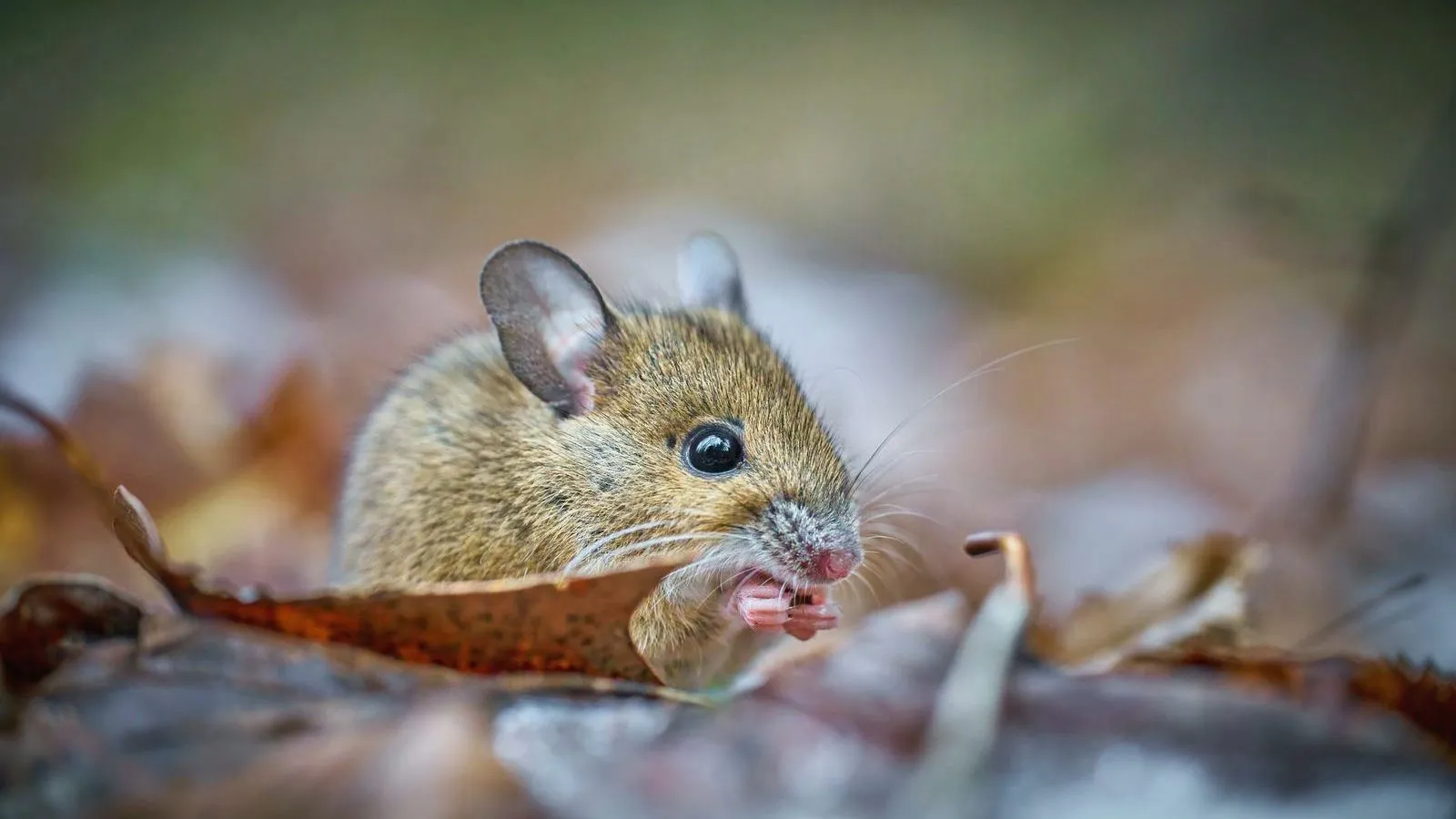
- This was done in mice given histamine to make them itch, and nothing here has been tested in people.
- Nerve cells in a deep brain region called the claustrum became active with itch and drove scratching.
- Those cells signal to part of the thalamus, and blocking that route reduced scratching.
- The cells carry kappa opioid receptors, the target of the anti-itch drug nalfurafine.
- Reducing those receptors in the claustrum weakened the drug's anti-itch effect.
Everyone knows the itch that will not quit, from a mosquito bite to a patch of dry skin. Scratching brings relief for a moment and then often makes things worse. A new study in mice has traced part of how the brain handles itch, and found that an existing anti-itch drug appears to act on a region deep inside the brain.
The region is the claustrum. In mice given histamine to make them itch, a group of nerve cells there became active, pushed the animals to scratch, and turned out to be a key place where the drug nalfurafine does its work.
What makes itch so hard to stop?
MedlinePlus describes itching as an irritating sensation that makes you want to scratch. The trouble is that scratching can feed the itch, creating what researchers call the itch-scratch cycle, which can lead to severe skin injury.
Itch comes in more than one kind. Histamine triggers one type by activating histamine receptors. Other kinds of itch rely on different chemical signals. This study focused on histamine-driven itch.
Scientists have learned a lot about how itch signals travel from the skin to the spinal cord. What happens once those signals reach the brain, and how the brain decides to scratch, is much less clear.
What are kappa opioids, and how do they calm itch?
Opioid receptors are docking points on cells that respond to opioid chemicals, and they come in several families. Activating one family, the kappa opioid receptors, is known to suppress itch.
Nalfurafine is a drug that activates these receptors. The authors note it has been used clinically to relieve itch in people receiving hemodialysis. Its anti-itch effect depends on receptors in the central nervous system, and the spinal cord has been thought to be its main target. How it might act through the claustrum had not previously been explored.
How did researchers find the itch circuit in the claustrum?
Writing in Science Advances, the team focused on glutamatergic neurons in the claustrum, nerve cells that send excitatory signals to other brain regions. When mice received histamine, these neurons became more active.
To test whether that activity mattered, the researchers used chemogenetics, a technique that lets specific neurons be switched on or off with a designer drug. Switching the claustrum neurons off reduced histamine-induced scratching. Switching them on made the mice scratch more.
They then traced where these neurons send their signals: the mediodorsal thalamus, part of a structure that relays signals between brain regions. Using optogenetics, which controls chosen neurons with light, they showed that quieting this specific route cut scratching and activating it increased scratching. The same boost in scratching appeared in female mice.
How does nalfurafine act on the claustrum?
The claustrum neurons turned out to carry high levels of kappa opioid receptors. Nalfurafine markedly inhibits histamine-induced activation of these cells, meaning the drug damped down the very neurons that were driving the urge to scratch.
The most direct test came last. When the researchers reduced kappa opioid receptors only in these claustrum neurons, or only along their route to the thalamus, nalfurafine’s anti-itch effect weakened. That suggests the drug’s action in this brain circuit is an important part of how it works, at least in mice.
What can’t a study of itch in mice tell us?
Mice are a long way from people with chronic itch. The animals here were given histamine to trigger a short-term itch, which is quite different from the persistent itch of kidney disease, eczema or liver problems. Whether the claustrum plays the same role in those conditions, or in humans at all, is unknown.
The study also looked only at histamine-driven itch, so it does not say whether this circuit matters for other kinds.
What does the claustrum finding mean for people with itch?
Nothing changes in how itch is treated today. MedlinePlus notes that most itching is not serious, and suggests steps such as cold compresses, moisturizing lotions and avoiding scratching. It also advises seeing a health care provider if itching is severe or does not go away after a few weeks.
For people living with stubborn itch that ordinary remedies do not touch, the value of this research is longer term. Knowing exactly where in the brain an anti-itch drug acts could help researchers design treatments that target that circuit more precisely.
People also ask
What did the study find?
Glutamatergic neurons in the claustrum play an important role in itch modulation. Inhibiting them reduced histamine-induced scratching and activating them increased it. They connect to the mediodorsal thalamus, highly express kappa opioid receptors, and nalfurafine inhibited their activation by histamine. Knocking down the receptors in these neurons diminished nalfurafine's anti-itch effects.
What is the claustrum?
A region deep inside the brain whose functions are still being worked out. This study adds itch to the list of things it may help process in mice.
What are kappa opioid receptors?
One family of opioid receptors, the docking points on cells that respond to opioid chemicals. Activating kappa opioid receptors is known to suppress itch.
What is nalfurafine?
A drug that activates kappa opioid receptors. The researchers note it has been used clinically to relieve itch in people receiving hemodialysis for kidney failure.
What kind of itch was studied?
Histamine-induced itch, the kind triggered when histamine activates its receptors. Other kinds of itch use different chemical signals, and they were not the focus here.
Should this change how I treat itching?
No. The work was done in mice and does not test any new treatment. See a health care provider if itching is severe, lasts more than a few weeks or has no clear cause. This is general information rather than medical advice.