News · Brain & Mental Health
Pramipexole eased depression's loss of pleasure in a trial
In a Swedish trial, 85 adults whose depression came with a marked loss of pleasure added the Parkinson's drug pramipexole or a placebo to usual treatment. It eased that symptom for six months. The drug is used off-label here, not approved.
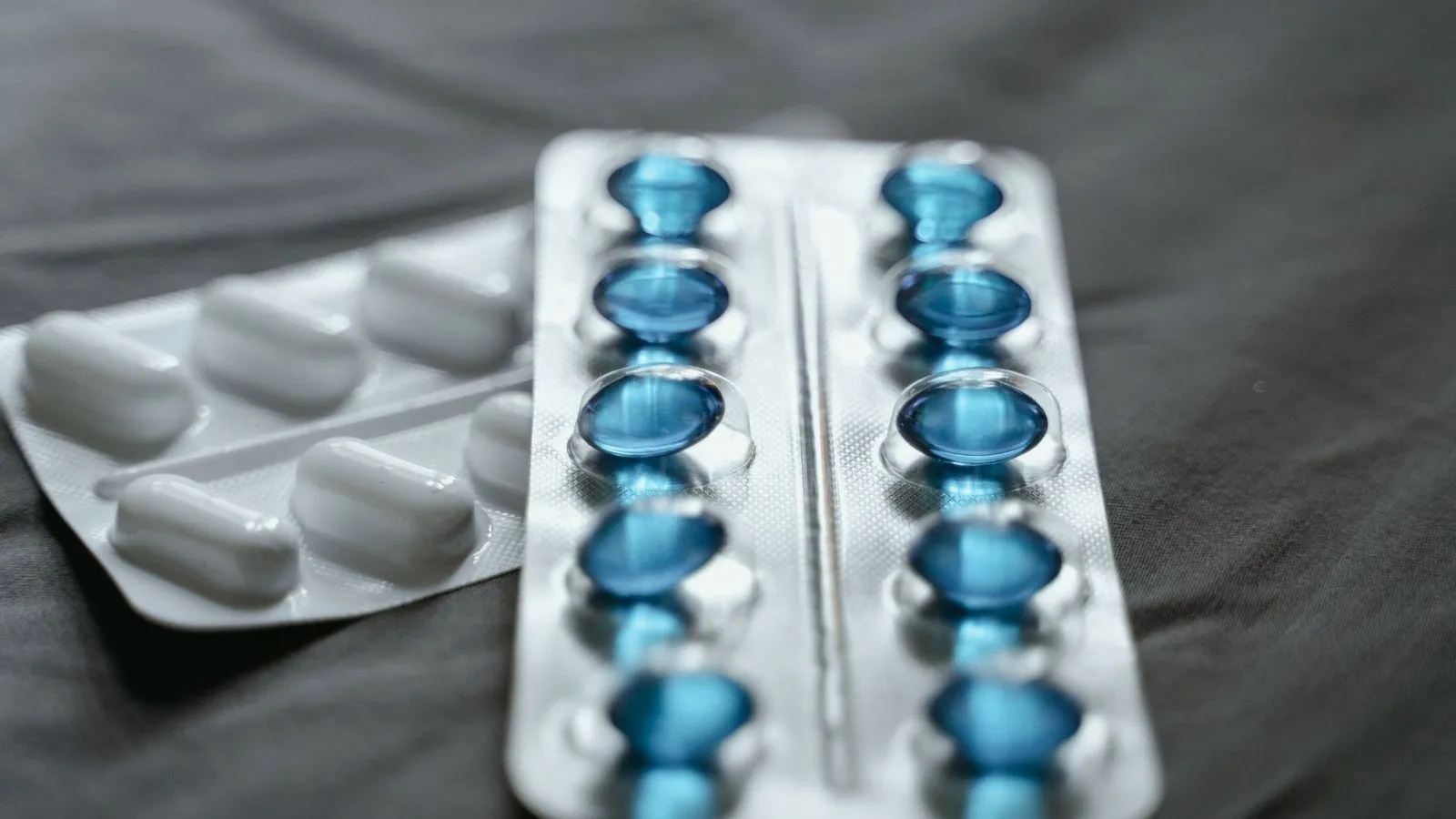
- 85 Swedish adults whose depression came with marked loss of pleasure, randomized for 9 weeks.
- Pramipexole beat placebo on the pleasure scale by 4.04 points, a moderate effect.
- Brain imaging showed preserved reward activation, consistent with an effect on dopamine.
- Gains held through a 6-month extension, though impulse control and fatigue need supervision.
- One small trial of an off-label drug. It is not an approved depression treatment.
For some people with depression, the worst part is a kind of numbness. Food, music, friends, sex: none of it lands the way it used to. Doctors call this anhedonia, the loss of pleasure, and it is a core and disabling symptom of mood disorders that standard antidepressants, aimed mostly at low mood, often do little to lift.
Now a randomized trial reported in the journal Nature Medicine has tested a different approach. Researchers gave the dopamine agonist pramipexole, a drug that mimics the brain chemical dopamine, as an add-on treatment or a placebo, once a day for nine weeks. Pramipexole is not new. It has previously been used mainly for Parkinson’s disease and restless legs; here it was added on top of whatever antidepressant or other care they were already taking.
Over those nine weeks, the patients taking pramipexole saw their lost pleasure ease more than the placebo group did, and the gains were sustained during a six-month open-label extension, when everyone could keep taking it.
Why researchers reached for a Parkinson’s drug
Part of the problem is that this is a symptom with limited treatment options. Most antidepressants work on low mood, and for many patients they leave that flatness largely untouched. That gap is what pushed researchers toward dopamine.
Pleasure and motivation depend partly on dopamine, the brain’s way of tagging something as worth wanting. Pramipexole mimics that signal. The idea being tested is that lifting it might give a stalled reward system a nudge in someone whose drive has gone quiet, though that chain of reasoning is still a hypothesis.
How the pramipexole trial worked
The design is a genuine strength. This was a single-center, randomized, double-blind trial, so neither the patients nor the doctors knew who was getting pramipexole and who was getting a placebo. That guards against wishful thinking on both sides.
It enrolled 85 adults whose major depression, long-running low mood (dysthymia) or bipolar depression came with marked anhedonia, and 82 were included in the analysis. Everyone kept taking their usual care; the study medication or placebo went on top.
That is a small study. Eighty-five people at one center, with the main phase lasting just nine weeks, can point a direction. It cannot settle a question.
How much lost pleasure improved
On the main measure, its primary outcome was met: pramipexole beat placebo at easing the loss of pleasure. The difference was moderate: real, but not enormous.
Two other measures, which the authors treated cautiously as exploratory, leaned the same way. Those taking it showed increased light physical activity, moving a little more in daily life, and brain scans suggested they held onto more of the reward-related response in the ventral striatum, a hub in the brain’s reward system.
Overall, it was generally well tolerated compared with placebo.
What it means if you are struggling
The result is promising, and holding up over six months counts in its favor. The caveats are just as serious. This was one small trial at a single center. Pramipexole was layered on top of existing treatment rather than replacing it, and it targeted that lost enjoyment in particular, not depression across the board.
It is also a real medicine with risks worth watching. Marie Asp, one of the researchers at Lund University, was direct about the trade-off: “Although most participants in our study tolerated the drug well, it is important to monitor any side effects, such as impaired impulse control and daytime fatigue.” Dopamine drugs like this need medical supervision, which is one reason a single positive result is no cue to seek the medication out.
So if you recognize this numbness in yourself, the honest answer is not to go asking for pramipexole by name. It is one small, promising study of a medication that is not approved for depression. What to do about that flatness is a decision for you and a clinician who knows your history.
Anhedonia is hard to treat, and this trial is a meaningful step, though one small study at a single center is a long way from a prescription to chase.
People also ask
What is anhedonia, and why is it hard to treat?
Anhedonia is the loss of pleasure or interest in things that used to feel rewarding, and it is a core symptom of depression. Standard antidepressants mainly target low mood, and they often do little for anhedonia, so treatment options have been limited.
How strong is this result?
It comes from a single-center, randomized, double-blind, placebo-controlled trial of 85 adults (82 analyzed) over a 9-week main phase. Pramipexole beat placebo on the anhedonia scale by a mean of about 4 points (Hedges g = 0.62, a moderate effect), and the benefit held over a 6-month open-label extension. That is a promising, well-designed early result, but it is small and from one center, so it needs replication in larger, multi-site trials.
Should I ask my doctor for pramipexole?
Not on the strength of this study. This is one small trial, and pramipexole is not an approved treatment for depression; it is a Parkinson's and restless-legs medication that was used here off-label as an add-on to existing treatment. It also carries real side effects, such as impaired impulse control and daytime fatigue. Decisions about medication are for you and your clinician, based on your full history.
What are the main side effects?
In the trial pramipexole was generally well tolerated, but dopamine-agonist drugs like it can cause daytime sleepiness and, in some people, impulse-control problems such as compulsive gambling or shopping. That is one reason it requires medical supervision and monitoring.