News · Nutrition & Diet
A vegan switch shrank thigh muscle in older adults within 12 weeks; strength training halved the loss
Plant-based eating is good for the planet and often for the heart. In a trial of 72 people over 65, going vegan cut protein intake and muscle; strength training limited the loss.
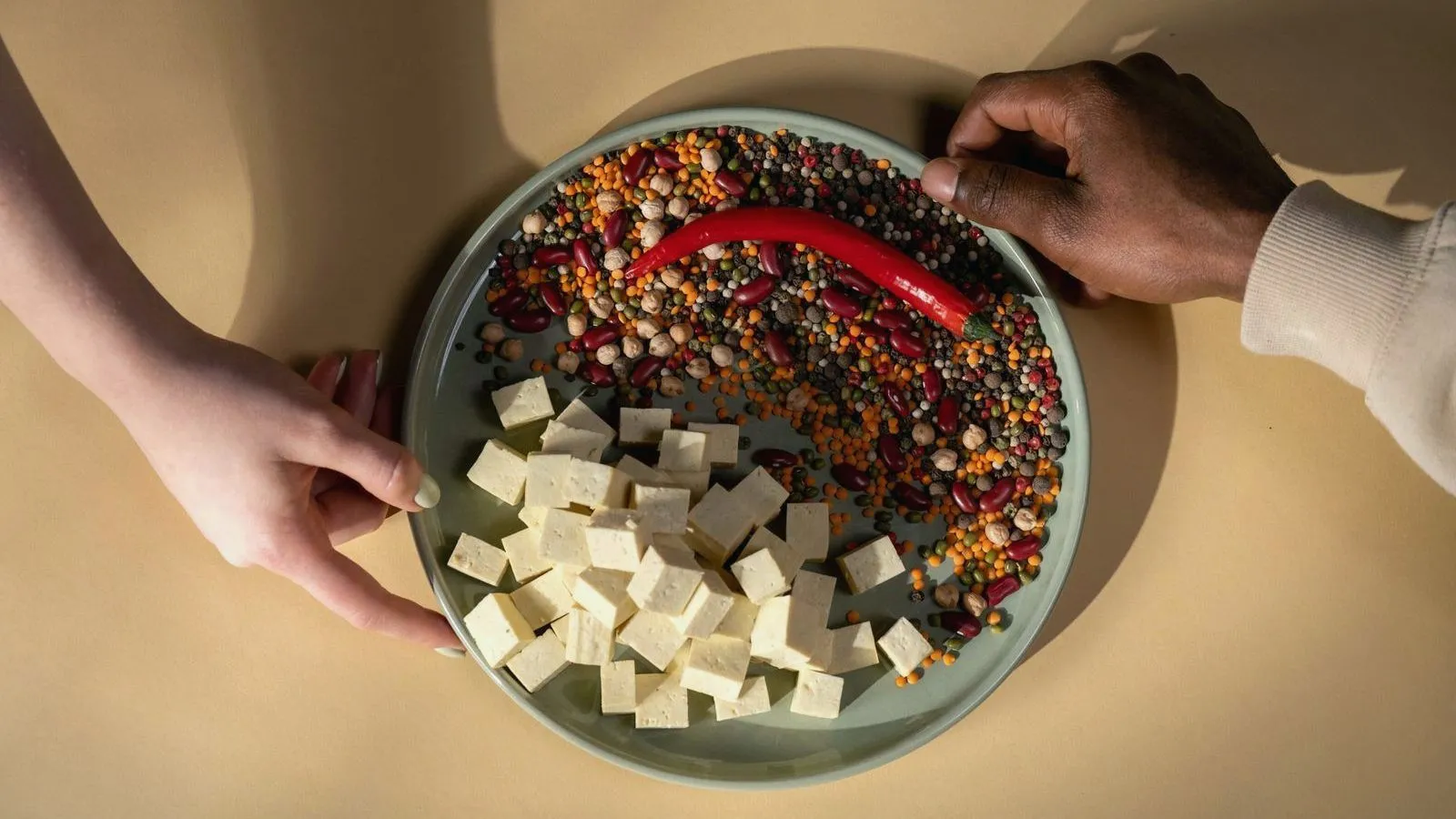
- A randomized trial in 72 healthy adults aged 65 or over, lasting 12 weeks.
- Groups followed a self-chosen vegan diet, kept eating as usual, or went vegan and did resistance exercise.
- Going vegan cut daily protein by about 20 to 28 grams, and thigh muscle volume fell by about 0.6 liters.
- Adding resistance exercise roughly halved the muscle loss; the usual-diet group lost none.
- People chose their own vegan foods; a vegan diet planned for enough protein might do better.
More people are cutting out animal foods, for their health, for animals or for the climate, and older adults are among them. A vegan diet can be healthy, but it asks more planning of anyone who wants enough protein, and older people need protein to hold on to muscle, which they lose more easily as they age.
A randomized trial in the American Journal of Clinical Nutrition tested what happens when healthy people over 65 switch to a vegan diet of their own choosing. Over 12 weeks, protein intake dropped and thigh muscle shrank. Strength training cut the loss roughly in half.
What a vegan diet involves
MedlinePlus explains that the vegan diet, which excludes all meat and animal products, is one of several vegetarian patterns. It is reassuring on the basics, noting that people who follow vegetarian diets can get all the nutrients they need, and lists protein first among the nutrients vegetarians may need to focus on.
The authors frame the concern: adopting a plant-based diet may compromise protein intake and impair skeletal muscle mass in older adults. Muscle matters more with age, because losing it is closely tied to weakness, falls and loss of independence.
How the vegan diet trial worked
The trial randomly assigned 72 healthy older adults aged 65 years or older to three groups for 12 weeks. One followed a vegan diet they chose themselves, one kept eating as usual, and one went vegan and added resistance exercise, the kind of training that works muscles against weight.
Muscle was measured carefully. The team used MRI scans to measure thigh muscle volume, a body scan to measure lean mass in the arms and legs, strength tests, and a tracer method to measure how fast the body was building new muscle protein in the first days.
What happened to protein and muscle
Protein dropped straight away. The vegan diet reduced protein intake by between about 19 and 28 grams a day across the 12 weeks, while it did not change in the usual-diet group.
Muscle followed. Thigh muscle volume and appendicular lean mass significantly reduced in the vegan group, with thigh muscle falling by about 0.6 liters, while people eating as usual lost essentially none. In the group that went vegan and also exercised, the loss was about half as large. The body’s rate of building new muscle protein was lower on the vegan diet than in either other group.
Why the resistance training result matters
The headline is not that vegan diets are bad for older people. It is that switching without attention to protein can cost muscle, and that the cost can be reduced. The authors conclude that the negative impact of a vegan diet on skeletal muscle mass can be mitigated by RE, resistance exercise.
That gives older adults a practical path. Strength exercise is recommended for everyone as they age, and this trial suggests it becomes especially important for those who eat fewer or no animal foods.
What a 12-week trial cannot settle
Twelve weeks is short, and it is not known whether the loss would continue, level off, or reverse as people adjusted their diets. Participants chose their own vegan foods, and protein intake fell as a result; a vegan diet planned to include enough protein might not cause the same loss.
The trial involved 72 healthy volunteers, so it cannot say how the results would apply to frailer older adults or those with existing muscle loss. It measured muscle size and protein building, not falls or everyday function.
What this changes for older adults eating plant-based
For older people considering a vegan diet, the lesson is to plan it around protein. Beans, lentils, tofu, tempeh, soy milk, nuts and seeds can supply it, and many older adults need more than younger people to maintain muscle.
Pairing that with regular strength exercise, such as lifting weights or using resistance bands, helps protect muscle whatever someone eats. A dietitian can help work out how much protein is enough and how to get it from plants.
People also ask
What did the study find?
The vegan diet reduced protein intake by 27.7, 22.0 and 19.3 grams a day at weeks 1, 6 and 12. Thigh muscle volume fell by 0.61 liters and appendicular lean mass by 1.15 kg on the vegan diet, against almost no change on the usual diet, and by 0.35 liters and 0.62 kg in the vegan plus resistance exercise group. Muscle protein synthesis was lower on the vegan diet.
What does self-selected mean here?
Participants chose their own vegan foods rather than following a menu designed by the researchers. That mirrors how most people switch, but it meant protein intake dropped.
What is muscle protein synthesis?
The rate at which the body builds new muscle protein. It is the main way muscle is maintained, and it depends on getting enough protein and on using the muscles.
Does this mean older people should not go vegan?
No. It means that going vegan without paying attention to protein can cost muscle in older adults. Planning meals around protein-rich plant foods and doing strength exercise can reduce that.
Which plant foods are high in protein?
Beans, lentils, peas, tofu, tempeh, soy milk, seitan, nuts and seeds. Older adults may need more protein than younger people to maintain muscle.
Should I change my diet because of this?
If you are older and considering a vegan diet, it is worth talking to a dietitian about getting enough protein and combining it with strength exercise. This is general information rather than medical advice.