News · Longevity & Aging
Microplastics turned up in 77% of lung samples from 2024 autopsies, against 19% from 1991
A small study compared stored lung tissue from people who died 33 years apart. The recent samples held plastic particles far more often, and the particles were smaller and more varied. What that means for health is unknown.
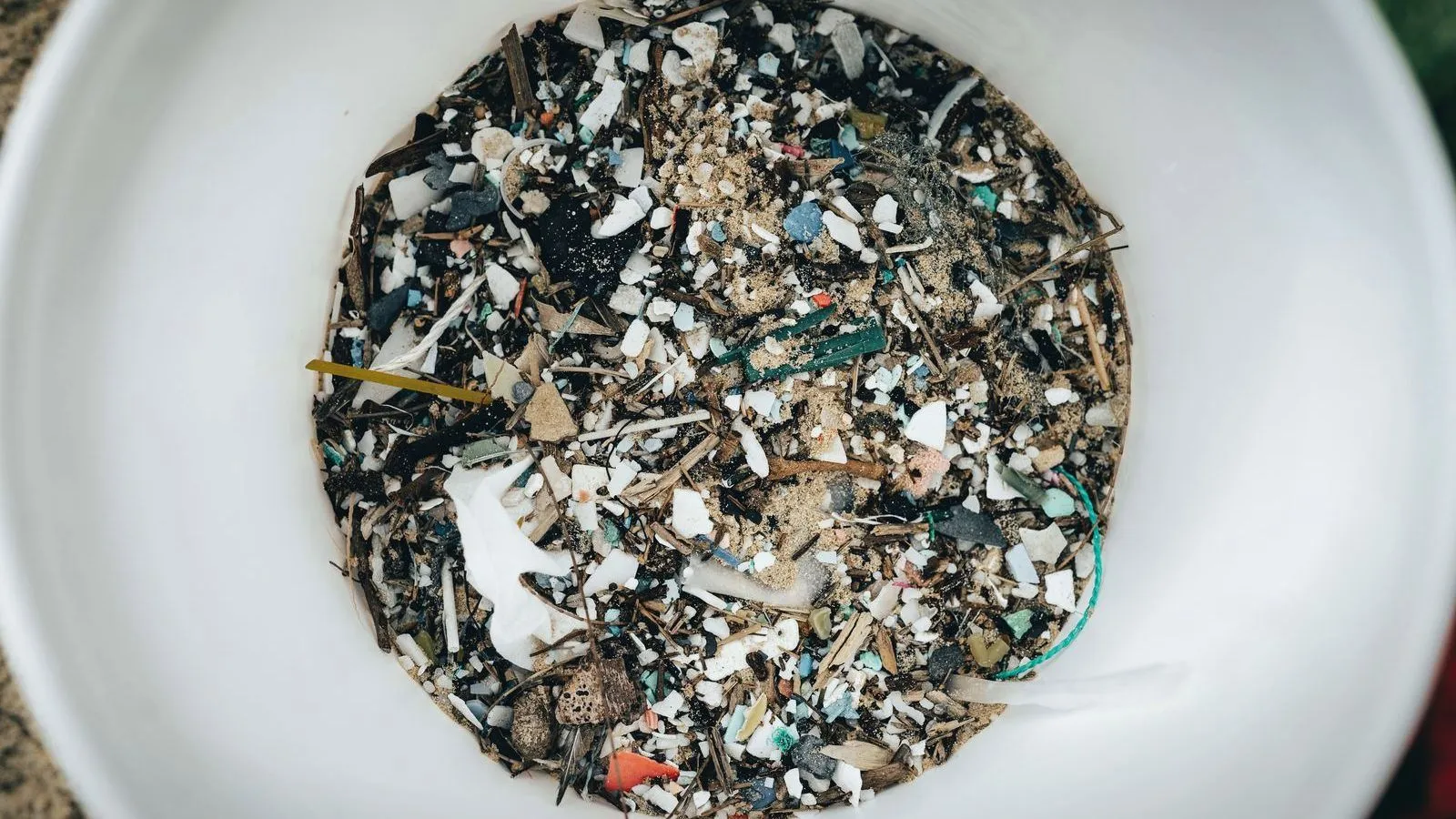
- A small study of stored lung tissue from 99 autopsies at one hospital: 42 people who died in 1991 and 57 in 2024.
- Microplastics were found in 77% of the 2024 samples, against 19% of the 1991 samples.
- The recent particles were smaller and made of a wider mix of plastics.
- Samples with microplastics showed more signs of inflammation and scarring, a link that does not show cause.
- The authors call the findings hypothesis-generating; they do not change any health guidance.
This is a small study: it compared stored lung tissue from 99 autopsies at a single hospital, 42 from people who died in 1991 and 57 from people who died in 2024. The recent samples contained plastic particles far more often, 77% against 19%, and the particles were smaller and made of a wider range of plastics.
The study, in The Lancet Regional Health - Europe, adds to a growing list of human tissues where microplastics have been found. What it cannot show is whether those particles do any harm, and its authors describe the results as a starting point for further research rather than evidence of risk.
What microplastics are and where they come from
Plastic rarely disappears. Most plastics do not biodegrade and instead break down from weathering in the environment over time into small particles called microplastics and nanoplastics, according to the US Food and Drug Administration (FDA). Those particles are now found in air, water, soil and food.
They have also been found in people. The FDA notes that microplastics and nanoplastics have been found in human samples, including urine, stool, blood, and organs, but that not enough is known about their potential health effects. Measuring them is difficult, and methods vary from lab to lab.
How the 1991 and 2024 lung tissue study worked
The researchers used lung tissue kept from routine autopsies at the same medical center, preserved in wax blocks. That let them compare two groups separated by 33 years, using the same methods on both.
They counted and sized plastic particles with an infrared imaging technique and checked a subset with a second, chemical method. Particle count per gram of tissue was the main measure. They also stained the tissue for collagen, a sign of scarring, and for immune cells called macrophages, a sign of inflammation.
What changed between the 1991 and 2024 lung samples
Microplastics turned up in lung samples from 8/42 individuals (19%) deceased in 1991 and 44/57 (77%) deceased in 2024. Among samples with plastic, the typical amount rose from about 13 to about 20 particles per gram of tissue. A second, chemical test run on a subset of samples provided similar results in terms of prevalence and relative abundance, which makes a measurement error in one method less likely to explain the change.
The particles changed too. The typical particle in 2024 was less than half the diameter of those in 1991, 22 micrometers against 56, about a third the width of a human hair. In 1991 most particles were polyethylene, a common packaging plastic; by 2024 there was a more heterogeneous mix, including the plastics used in drink bottles, pipes and foam packaging.
Samples with evidence of microplastics also showed more collagen and more inflammatory immune cells than samples without, in both years.
Where the lung findings fit with other microplastics research
The same research group reported in 2024 that plastic particles were found in the carotid artery plaque of many people having surgery to clear the arteries in their neck. In that study, patients in whom plastics were detected within the plaque were at higher risk for a primary end-point event, a combination of heart attack, stroke or death, over nearly three years.
A 2025 study in Nature Medicine found plastics in human kidney, liver and brain samples, and reported that the time of death (2016 versus 2024) was a significant factor, with higher levels in the more recent samples. Together, these studies suggest that the amount of plastic in human tissue has risen in recent decades. None of them shows that the plastics cause disease.
What a 99-sample autopsy study cannot show
The groups were small, came from one hospital, and were not chosen to represent the population. People who die and have autopsies differ from the living, and the 1991 and 2024 groups may have differed in age, smoking, jobs and illness in ways the study could not fully account for. Stored tissue could also pick up contamination, although the researchers used the same handling for both groups.
The link between plastics and inflammation or scarring is an association in tissue from people who had already died, so it cannot show which came first. The authors state that these observations are hypothesis-generating and should be interpreted with caution given the study design.
What this changes for microplastics and health
No health guidance changes because of this study. The FDA’s current position is that current scientific evidence does not demonstrate that levels of microplastics or nanoplastics detected in foods pose a risk to human health, while noting that more research is needed.
What the study adds is a measure of change over time inside human lungs, which is useful for researchers designing larger studies. The questions it raises, whether these particles harm health and how people are exposed, are the ones those studies will need to answer.
People also ask
What did the study find?
Microplastics were detected in lung samples from 8 of 42 people (19%) who died in 1991 and 44 of 57 (77%) who died in 2024. The median burden rose from 12.9 to 19.9 particles per gram of tissue, and median particle diameter fell from 56.2 to 22.4 micrometers. The 2024 samples held more polyethylene terephthalate, polyvinyl chloride and polystyrene, while 1991 samples were mostly polyethylene.
What are microplastics?
Tiny plastic particles, usually defined as smaller than 5 millimeters, that come from larger plastics breaking down over time. Nanoplastics are smaller still.
Do microplastics in the lungs cause disease?
This study cannot say. Samples with microplastics showed more markers of inflammation and scarring, but the design cannot tell whether the plastics caused those changes or simply appeared alongside them.
How do microplastics get into the lungs?
The study did not test routes. Breathing in airborne particles is the most direct route to the lungs, and plastics are also found in food and drink.
What does the FDA say?
The FDA says current scientific evidence does not demonstrate that levels of microplastics or nanoplastics detected in foods pose a risk to human health, and that more research is needed on their health effects.
Does this study show a health risk?
No. The study is small and early-stage, and it did not measure harm to health. No health guidance has changed because of it. This is general information rather than medical advice.
References
- Marfella, R., Prattichizzo, F., La Grotta, R., et al. Microplastics in human lung tissue from autopsy samples collected in 1991 and 2024: a comparative post-mortem study. The Lancet Regional Health - Europe, 2026.
- Marfella, R., Prattichizzo, F., Sardu, C., et al. Microplastics and Nanoplastics in Atheromas and Cardiovascular Events. New England Journal of Medicine, 2024.
- Nihart, A. J., Garcia, M. A., El Hayek, E., et al. Bioaccumulation of microplastics in decedent human brains. Nature Medicine, 2025.
- US Food and Drug Administration. Microplastics and Nanoplastics in Foods.