News · Longevity & Aging
Incense, oil diffusers and candles sent indoor particle pollution soaring, in 112 London homes
Fragrance products are in most homes and rarely thought of as pollution. Monitors in London bedrooms and living rooms showed incense and diffusers driving about half of residents' fine particle exposure.
- A measurement study in 112 London homes from 2022 to 2024, with monitors logging fine particles every few minutes.
- Hourly peaks reached 1,293 micrograms per cubic meter with incense, 858 with oil diffusers and 622 with candles.
- In homes that used them, incense and diffusers each accounted for nearly half of bedroom particle exposure.
- Candle-using homes exceeded the WHO daily guideline on a median of 40% of days.
- It measured pollution, not health effects, and small or poorly ventilated rooms fared worst.
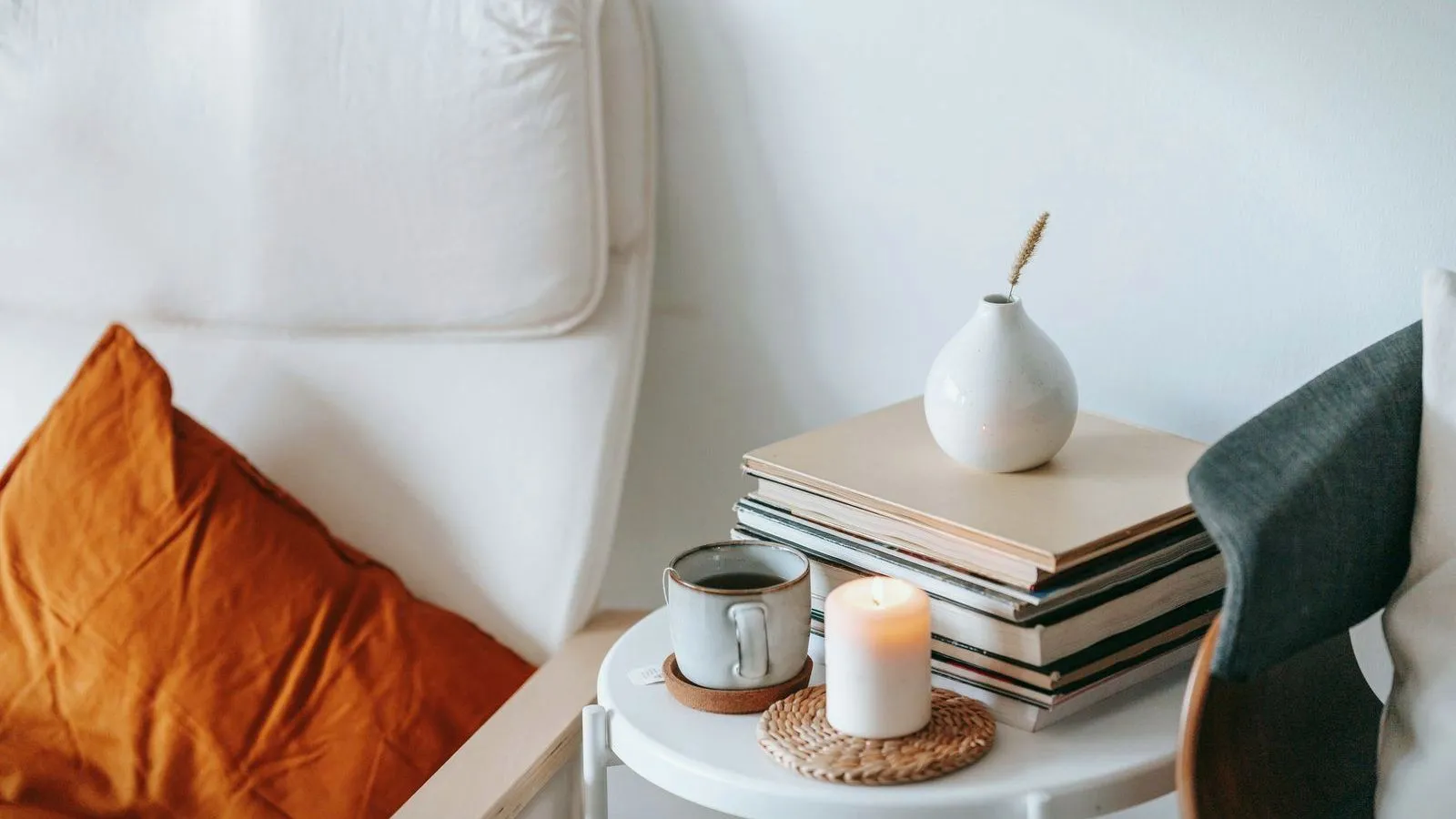
A scented candle on the table, an incense stick after dinner, a diffuser puffing essential oil in the bedroom: for many households these are part of making a home feel like a home. They are rarely thought of as pollution. Air quality worries usually point outdoors, at traffic and chimneys.
A study in Environment International put monitors in 112 London homes between 2022 and 2024. Fragrance products turned out to be one of the biggest sources of fine particle pollution indoors, with incense and oil diffusers each responsible for about half of bedroom exposure in the homes that used them.
Why indoor air counts
MedlinePlus makes the point directly: we usually think of air pollution as being outdoors, but the air in your house or office could also be polluted. People spend most of their time indoors, so what they breathe at home can matter as much as what is outside.
The pollutant in question is PM2.5, fine particles small enough to reach deep into the lungs. The authors note that although fragrance products are ubiquitous in UK homes, the associated indoor PM 2.5 exposure remains poorly quantified under real residential conditions.
How the London homes were monitored
The team used high time-resolution measurements from 112 London homes between 2022 and 2024, with monitors recording particle levels every few minutes as people went about their lives. A method that matched spikes in the readings to what was happening in each home let them attribute pollution to specific sources.
Unlike a laboratory test, this captured real rooms, real habits and real ventilation. That includes the very ordinary habit of lighting something in a closed bedroom on a winter evening, when windows stay shut and the heating is on. Those are exactly the conditions under which particles build up, and exactly the conditions a laboratory test is least likely to reproduce, which is why a measurement study in lived-in homes can show something a controlled test cannot.
What fragrance products did to indoor air
The peaks were extraordinary. The monitors recorded hourly peaks up to 1293 micrograms per cubic meter for incense, 858 for oil diffusers, and 622 for candles. For comparison, the World Health Organization’s guideline for a whole day’s average is 15.
Over time, those spikes added up. Across homes using those products, incense and oil diffusers each accounted for nearly 50 % of bedroom PM 2.5 exposure, while candles contributed 14%. Breaking the daily guideline was routine: candle-using homes exceeded it on a median of 40% of monitored days, and some incense-using households exceeded it on most days.
Why the diffuser result stands out
Incense and candles involve burning, so high particle levels are not a surprise. Oil diffusers are marketed as a cleaner alternative, and many people use them precisely because they do not involve a flame. In this study they produced large peaks and, in the homes that used them, as much bedroom exposure as incense.
The setting mattered too. Exposures were highest in compact dwellings and under inadequate room ventilation. As homes are sealed more tightly to save energy, the authors argue, sources like these become a bigger part of what people breathe.
What air monitors cannot show
This study measured pollution, not health. It did not follow residents to see whether those with more exposure had more breathing problems or heart disease, and the particles from a candle may differ in composition from traffic pollution, whose health effects are better understood.
The homes were in one city and volunteered to take part, so they may not represent every household. The source attribution is a statistical estimate, which is reasonable but not the same as measuring each product in isolation.
What this changes for fragrance products at home
Nothing here says scented candles or diffusers are dangerous in any direct, measured way. But it does show they can push indoor particle levels far above the WHO guideline, especially in small, closed rooms.
Simple steps cut exposure: using these products less often, keeping them out of bedrooms, opening a window or running an extractor fan while they are in use, and letting a room air out afterward. For builders and housing policy, the study is an argument for ventilation that keeps up with airtight homes.
People also ask
What did the study find?
Fragrance use markedly raised indoor fine particle exposure, with hourly peaks up to 1293 micrograms per cubic meter for incense, 858 for oil diffusers and 622 for candles. In homes using them, incense and oil diffusers each accounted for nearly 50% of bedroom exposure and candles for 14%. The median rate of exceeding the WHO 24-hour guideline of 15 was 40% in candle-using homes.
What is PM2.5?
Fine particles 2.5 micrometers across or smaller, about thirty times thinner than a human hair. They can travel deep into the lungs and are linked to heart and lung disease.
How does 1,293 compare with outdoor pollution?
The World Health Organization's guideline for a 24-hour average is 15 micrograms per cubic meter. Short peaks far above that are common indoors when something is burning, but these were very high.
Are oil diffusers safer than candles?
Not in this study. Diffusers produced high peaks and, in homes that used them, accounted for a similar share of bedroom exposure as incense, larger than candles.
Do I need to stop using scented products?
Nothing here measured health effects directly. If you use them, opening a window or running an extractor fan, using them less often, and keeping them out of bedrooms can cut exposure. This is general information rather than medical advice.
Why does ventilation matter?
Particles build up in small, sealed rooms. The study found exposures were highest in compact homes and rooms with poor ventilation, which is increasingly common as homes are made more airtight.