News · Supplements
A compound gut bacteria make from pomegranates and walnuts strengthened the gut lining in mice
Urolithin A is sold as a supplement and studied for muscle and aging. A new study traces how it works in the intestine, through an inflammation pathway usually cast as the villain.
- The cause-and-effect work was done in mice, with supporting measurements in tissue from patients with IBD.
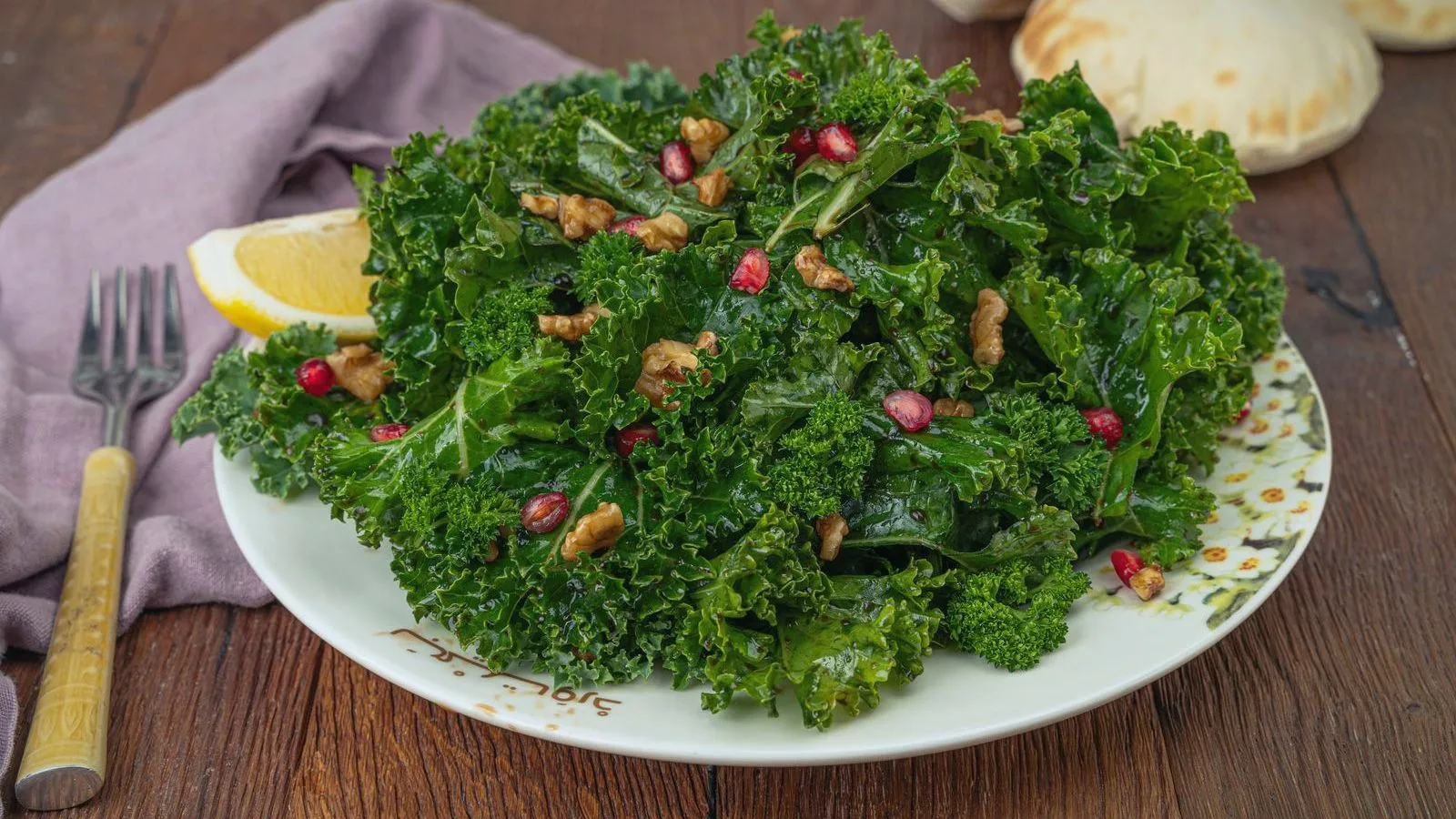
- Urolithin A is made by gut bacteria from compounds in foods such as pomegranates, walnuts and berries.
- In mice it switched on a sensor in gut lining cells, triggering signals that thickened the barrier.
- It worked through an inflammasome pathway usually described as harmful, releasing IL-18 but not IL-1beta.
- Treated mice were protected against colitis; no human trial was run here.
Pomegranate juice has been sold as a health drink for years, usually on vague claims about antioxidants. The more interesting chemistry happens later, and lower down: gut bacteria break compounds from foods like pomegranates, walnuts and berries into a molecule called urolithin A. A study in Nature Communications, published in June and picked up by the university this week, works out what that molecule does to the lining of the intestine in mice.
It strengthens it, and the route it takes is a surprise. Urolithin A works through an inflammation machine that researchers usually describe as a cause of disease.
What does the gut barrier do?
The lining of your intestine has an awkward job. It has to let nutrients through into the body while keeping out the bacteria that live a millimeter away, along with everything they produce. A single layer of cells, coated in mucus, manages that boundary.
When it fails, the consequences show up as disease. In inflammatory bowel disease, which covers Crohn’s disease and ulcerative colitis, that protective barrier breaks down, contributing to inflammation, pain, and long-term complications. Anything that reliably strengthens the barrier is therefore of interest well beyond the gut.
Where does urolithin A come from?
Not from food directly. According to the researchers’ institution, urolithin A is produced by gut bacteria after the digestion of foods including pomegranates, walnuts and berries. It is one of the clearest examples of the microbiome acting as a chemical factory: the same meal yields different compounds in different people, depending on which microbes they carry.
That has not stopped a supplement industry forming around it, marketed mostly for muscle and aging. Which makes the mechanism worth understanding properly.
How does urolithin A reach the cells of the gut lining?
Through a sensor called the aryl hydrocarbon receptor, or AHR. The authors describe it as central to gut barrier and mucosal immune function, and it has a split reputation: activated by environmental toxins it can do harm, while activated by certain dietary compounds it seems to help.
Why the same receptor produces opposite outcomes has been unclear. That is the puzzle this paper set out to solve, by following what happens after urolithin A switches AHR on inside the cells lining a mouse intestine.
Why is it surprising that an inflammasome helped the gut?
The answer they found runs through the NLRP6 inflammasome. An inflammasome is a protein complex that senses trouble inside a cell and releases inflammatory alarm signals, and in most research stories it is the villain, driving damage in everything from gout to heart disease.
Here it protected. Urolithin A’s activation of AHR triggered NLRP6 to release interleukin-18, but not interleukin-1beta, the signal more often linked to harm. That IL-18 was then necessary for the gut to produce interleukin-22, mucin 2 and REG3-gamma, which between them thicken mucus and shore up the barrier. Mice given urolithin A were protected against colitis, an inflamed colon.
So the receptor’s reputation depends on which alarm it pulls. Selectivity, not just activation, is what separates benefit from damage.
Did urolithin A hold up in human gut tissue?
Partly. The team applied urolithin A to intestinal biopsies from patients with inflammatory bowel disease and saw the same two signals rise: IL-18 in the lining cells and IL-22 in a type of immune cell called type-3 innate lymphoid cells.
That is a meaningful step beyond mice, because it shows human gut tissue responding the same way. It is still tissue in a dish, not a person taking a capsule, and it says nothing about whether symptoms would improve.
Should anyone take urolithin A for their gut?
No, not on this evidence. The mice were given a defined compound at a set dose in a laboratory, and no one in this study swallowed anything. Nothing here shows that a supplement raises urolithin A enough in a human gut to matter, or that doing so would help someone with Crohn’s disease or colitis.
The general caution applies too. MedlinePlus points out that supplements do not have to go through the testing that drugs do, and advises telling your health care provider about any you use and never taking a bigger dose than the label recommends. Anyone with inflammatory bowel disease has treatments that are tested, and should not swap them for a capsule.
What does this mean for the food-and-gut story?
It gives it a mechanism, which is more than most diet claims have. If the effect depends on gut bacteria making urolithin A, then two people eating the same pomegranate may get different results, which may help explain why studies of polyphenol-rich foods come out so inconsistently.
For now the practical takeaway is dull but real: the foods in question, nuts and fruit, are worth eating for plenty of established reasons. What this study adds is a clearer picture of why the gut might benefit, and a reminder that the microbiome does much of the cooking.
People also ask
What did the study find?
Selective activation of the aryl hydrocarbon receptor in mouse intestinal epithelial cells by urolithin A triggered the NLRP6 inflammasome, releasing interleukin-18 but not interleukin-1beta. That IL-18 was critical for IL-22, mucin 2 and REG3-gamma production and for protection against colitis. Urolithin A also raised IL-18 and IL-22 levels in intestinal biopsies from patients with inflammatory bowel disease.
What is urolithin A?
A compound your gut bacteria produce after you eat certain foods. The researchers' institution lists pomegranates, walnuts and berries as sources.
What is the gut barrier?
The lining of the intestine, which lets nutrients through while keeping bacteria and their products out of the body. When it leaks, inflammation follows.
What is an inflammasome?
A protein complex inside cells that senses trouble and releases inflammatory signals. It is usually discussed as a driver of disease, which is what makes a protective role notable.
Should I take a urolithin A supplement for my gut?
This study gives no basis for that. It tested the compound in mice and in tissue samples, not in people, and supplements do not go through the testing that drugs do.
Can I get urolithin A from food?
Only indirectly, and not everyone can. Gut bacteria make it from compounds in foods such as pomegranates and walnuts, and people differ in whether they carry the microbes that do it. This is general information rather than medical advice.
References
- Urolithin A activates aryl hydrocarbon receptor-NLRP6-mediated pathways in intestinal epithelial cells to modulate mucosal immunity and strengthen gut barrier integrity. Nature Communications, 2026.
- Scientists find a natural gut compound that helps heal the intestine. ScienceDaily, materials provided by the University of Louisville, 2026.
- MedlinePlus. Dietary Supplements. US National Library of Medicine.