Explainer · Supplements
Tainted supplements: which products the FDA has found to contain hidden drugs, and what was in them
An analysis of FDA warnings from 2007 to 2016 counted 776 supplements containing unapproved drugs, nearly all undeclared. Most were sold for sexual enhancement, weight loss or muscle building, and fewer than half were recalled.
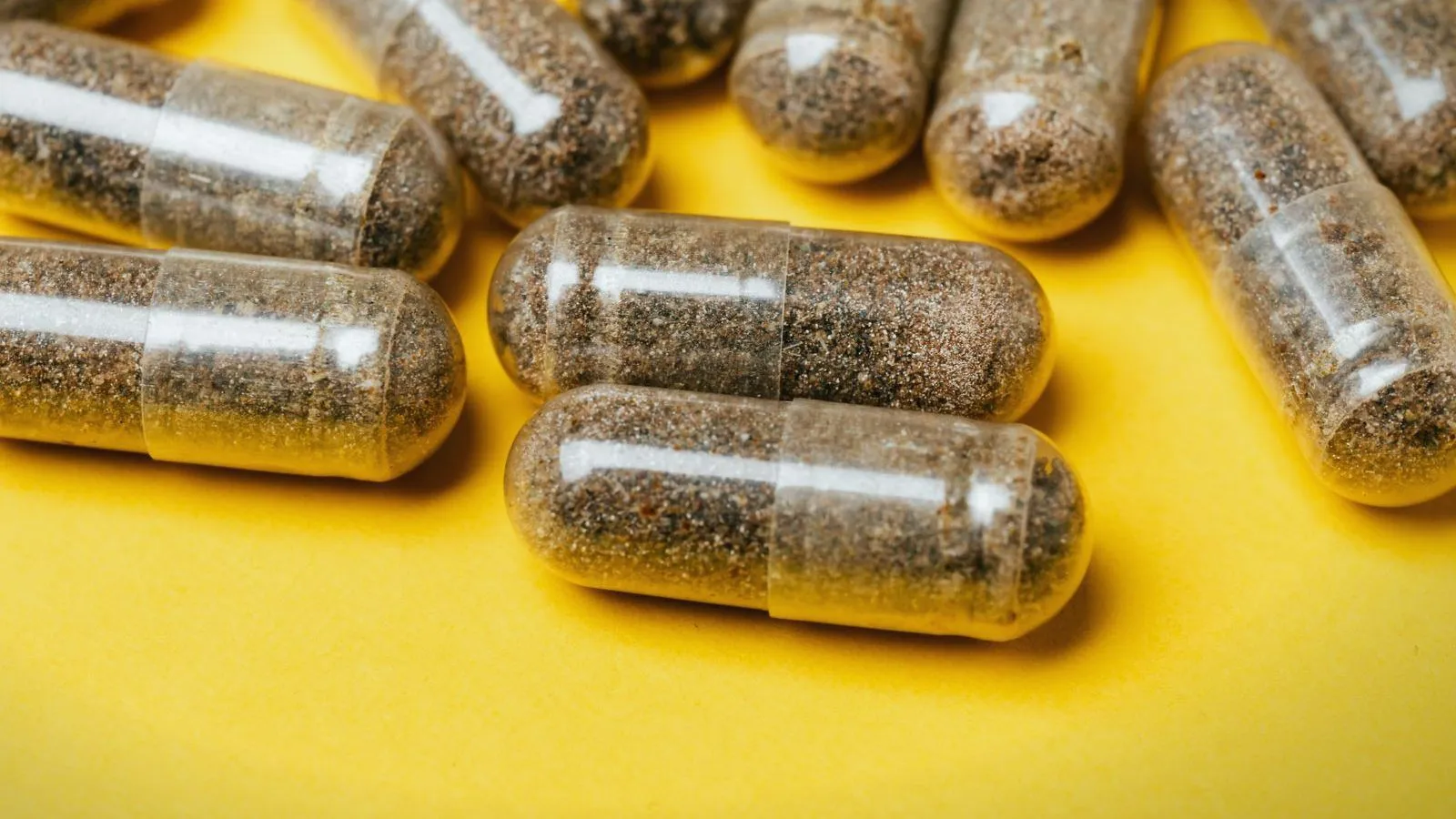
- A tainted supplement is one that contains a real drug ingredient, usually without listing it on the label.
- FDA warnings from 2007 to 2016 named 776 such products, and 97.6% did not declare the drug.
- Sexual enhancement (45.5%), weight loss (40.9%) and muscle building (11.9%) products made up nearly all of them.
- Sibutramine, a drug withdrawn in 2010, was in 84.9% of the tainted weight loss products.
- The list covers only what the FDA tested, so it cannot show how common tainted products are overall.
The pills sold at gas station counters under names like Rhino and Magnum were the subject of an article in The Conversation on October 13. Its author, Andrew Yockey, a public health researcher at the University of Illinois Urbana-Champaign, noted that the problem is current. Seven new products were added to the FDA’s list in September 2026.
The list in question is kept by the US Food and Drug Administration (FDA), and it has been growing since 2007. It records products sold as dietary supplements that turned out, when tested, to contain real drugs. A published count of its first ten years found the same three kinds of product again and again, often with medicines that had been pulled from the market. It also found that fewer than half were recalled. This explainer covers what a tainted supplement is, which products have been caught, what was in them and what the list cannot show.
What a tainted supplement is
A dietary supplement, in US law, is a product such as a vitamin, mineral, herb or amino acid that is not meant to treat or prevent disease. More than half of American adults report taking one.
A tainted supplement is one that contains a pharmaceutical. Pieter Cohen, in a commentary in JAMA Network Open, describes it as pharmaceutical adulteration, in which an active drug is included in a purportedly botanical supplement. Adulteration means the addition of something that is not meant to be there. Cohen’s example is sildenafil in a “natural” sexual enhancement product.
This can happen because of how supplements are regulated. Under a 1994 law they are treated as a category of food. In The Conversation’s words, they generally do not go through the FDA’s premarket approval process. Premarket means before a product goes on sale. A prescription drug has to be shown to be safe and effective first. A supplement does not.
The FDA’s work starts after products are on sale. Cohen’s commentary sets out the division. While the FDA does not assess the safety of supplements prior to market, the agency is tasked with identifying and removing adulterated and hazardous supplements from the marketplace. It does this by inspecting factories, screening imports, following up complaints and testing a sample of products. As The Conversation notes of the agency, it does not routinely test every supplement on store shelves.
When the FDA finds a hidden drug, it posts a warning and adds the product to a public database.
Which supplements the FDA has found to be tainted
In 2018, five researchers published an analysis of that database in JAMA Network Open, a peer-reviewed medical journal. They read every warning for a ten-year period and removed duplicates. From 2007 through 2016, 776 adulterated dietary supplements were identified by the FDA.
Nearly all of them fell into three groups. Most of these products were marketed for sexual enhancement (353 [45.5%]), weight loss (317 [40.9%]), or muscle building (92 [11.9%]). The remaining 14 were sold for other purposes, mainly joint and muscle pain.
In almost every case the drug was a secret. Of the 776 products, 757, or 97.6%, did not declare the ingredient on the label. And one product in five held more than one hidden drug. The paper counts 157 adulterated products (20.2%) containing more than 1 unapproved ingredient, including 33 with three or more and two with six.
The FDA’s current wording describes the same pattern. These products are typically promoted for sexual enhancement, weight loss, pain relief and body building and are often represented as being all natural.
What hidden drugs were in the tainted supplements
Each category had a signature drug. The analysis lists them together. The most common adulterants were sildenafil for sexual enhancement supplements (166 of 353 [47.0%]), sibutramine for weight loss supplements (269 of 317 [84.9%]), and synthetic steroids or steroid-like ingredients for muscle building supplements (82 of 92 [89.1%]).
Sexual enhancement. Sildenafil is the active ingredient in the prescription drug Viagra. Another 134 products, or 38.0%, contained an analogue of it. An analogue is a compound with a slightly altered chemical structure that acts in a similar way and has not been through approval. Tadalafil, the active ingredient in Cialis, was in 72 products. Fourteen contained dapoxetine, an antidepressant that the FDA has not approved.
Analogues keep multiplying. Sildenafil and tadalafil belong to a drug class called phosphodiesterase type 5 inhibitors. A 2023 review cataloged 112 unapproved compounds of this drug class found as adulterants in sexual enhancement dietary supplements and other products from 2003 to July 2023. Two-thirds were variations on sildenafil.
Weight loss. Sibutramine is a drug that was removed from the US market in 2010 because of cardiovascular risks, which are risks to the heart and blood vessels. It was in 269 of the 317 tainted weight loss products. Phenolphthalein, a laxative removed from US over-the-counter products in 1999, was in 75. Fluoxetine, a prescription antidepressant, was in 17. Two contained ephedrine, a stimulant banned from supplements in 2004, and they were found six and eight years after the ban.
Muscle building. Anabolic steroids are synthetic relatives of testosterone. They or steroid-like substances were in 82 of the 92 products. Nearly all of these were identified in 2009 and 2010, and 66 were named in a single recall.
Pain. Of the 14 other products, half contained diclofenac, a prescription anti-inflammatory painkiller, and five contained dexamethasone, a steroid used for inflammation.
Why hidden drugs in supplements are a risk
The drugs involved are real medicines with real effects, taken by people who do not know they are taking them. The analysis names the routes to harm as accidental misuse, overuse, or interaction with other medications, underlying health conditions, or other pharmaceuticals within the supplement.
The clearest example is the one the FDA repeats in its notices on sexual enhancement products. Sildenafil and tadalafil, it says, may interact with nitrates found in some prescription drugs, such as nitroglycerin, and may lower blood pressure to dangerous levels. Nitrates are medicines that widen blood vessels. People with diabetes, high blood pressure, high cholesterol or heart disease often take nitrates, the agency adds.
The authors of the 2018 paper point to who that puts at risk. Men on nitrates are told not to take drugs like Viagra, and some may turn to a supplement labeled all natural for that reason, unaware of what it contains. Do not stop or change a prescribed medicine without talking to your doctor.
Sibutramine works the other way. The paper says it can substantially raise blood pressure or pulse in some patients, a danger to people with a history of heart disease or stroke. Six weight loss products contained both sibutramine and sildenafil.
Dose is a further unknown. The paper notes that the drugs are present at unknown concentrations. A recent FDA notice shows what that can mean. Testing of a product called WAP Sensual Enhancement found that it contains yohimbine, tadalafil and flibanserin, not listed on the product label. Flibanserin is the active ingredient in a prescription drug for low sexual desire in women. The agency describes yohimbine as a plant-derived chemical once used in a prescription erectile dysfunction medication. The FDA said the product held dangerously high levels of it, enough to cause severe high blood pressure, irregular heartbeat and heart attack.
How often tainted products injure people is not known. A study in the New England Journal of Medicine estimated the toll of supplements in general. An estimated 23,000 emergency department visits in the United States every year are attributed to adverse events related to dietary supplements. Adverse events are harmful effects. Weight loss and energy products accounted for most of the visits involving chest pain or a racing heart. That study counted visits attributed to supplements of all kinds, and it does not say how many involved a hidden drug.
What happened after the FDA warned about tainted supplements
A warning did not always end a product’s life. In the 2018 analysis, there were 28 products named in 2 or 3 warnings more than 6 months apart. Of those, 19 had a different hidden drug the second or third time.
The Conversation article describes the same thing from the seller’s side. Products can disappear and reappear under new names, and makers can swap one chemical for another. It cites a study that followed one sexual enhancement product from 2007 through 2022. Researchers found phosphodiesterase type 5 inhibitors in every version they tested. That is the drug class of sildenafil and tadalafil. The particular compound changed over time, and the product was still on sale at the end.
Recalls covered a minority. Of the 776 products, 360, or 46.4%, were the subject of a voluntary recall by the company. Another 342, or 44.1%, drew a public notification only, which is a posted warning to consumers. The other document types the paper recorded were news releases, consumer updates and warning letters to firms. The balance shifted over the decade. From 2012 to 2016, 72.5% of tainted products were dealt with by public notification.
Often there was no company to pursue. For products reported from 2012 to 2016, no firm was identified in 69.1% of cases. Many of the samples had not come from American shops at all. In the last three years of the data, 117 of 303 adulterated samples (38.6%) were identified through online sampling and 104 of 303 (34.3%) were identified through the examination of international mail shipments.
Cohen’s commentary, published in the same journal on the same day as the analysis, was titled “The FDA and Adulterated Supplements: Dereliction of Duty.”
Tainted supplements since 2016
The pattern has continued. A 2022 update by C. Michael White extended the count by five years. From 2007 through 2021, 1068 unique products were found to be adulterated. Sexual enhancement and weight loss products still led. Muscle building was the exception. For that category, White reported, since 2017 no additional adulterated products have been identified.
The forms have changed more than the contents. The Conversation lists pills, gummies, honey, coffee and chocolates among recent warnings. On honey alone, an FDA page current as of April 22, 2026, says the agency issued warning letters to four companies for illegally selling tainted honey-based products and published notifications on 24 products.
Other ingredients have also turned up. In 2023 the FDA found sildenafil and acetaminophen, the painkiller in Tylenol, in a Rhino-branded product. Yockey notes that it contained two ingredients that did not appear on its label, and that a person also taking a cold medicine could exceed the safe amount of acetaminophen without knowing.
What the tainted supplements list cannot show
How common tainted products are. The database records what the FDA tested and caught. The 2018 authors acknowledge that the total number and variety of products tested by the FDA each year is unknown, so a rise or fall in the count could reflect the agency’s priorities as much as the market.
Products never tested. The FDA says the same of its own list. FDA is unable to test and identify all products marketed as dietary supplements that have potentially harmful hidden ingredients.
Drugs nobody looked for. The results are limited to the drugs for which the FDA tested. A new analogue that no test targets would not appear.
Shops against websites. Because sampling concentrated on online sellers and imports, the analysis does not show how often tainted products sit on the shelves of ordinary stores.
Harm. The database is a record of ingredients. It does not track who took the products or what happened to them.
Recalled without a test. The authors say a few of the recalled products may have been named without being tested, because firms sometimes recall all of their products as a precaution after one comes under scrutiny. The count of 776 includes them.
Independence. The authors state that the analysis was performed independent of any FDA involvement.
Whether a supplement is safe alongside a particular person’s medicines or health conditions is assessed by their doctor.
Nearly two decades of FDA testing show that the supplements the agency has most often caught with a hidden drug are the ones that promise a drug-like effect.
People also ask
What is a tainted supplement?
It is a product sold as a dietary supplement that contains an active drug ingredient, usually one not listed on the label. The FDA also uses the word adulterated. The hidden ingredient may be a prescription drug, a drug withdrawn from the market or a chemical cousin of one.
Which supplements are most often tainted?
In FDA warnings from 2007 to 2016, 45.5% of tainted products were sold for sexual enhancement, 40.9% for weight loss and 11.9% for muscle building. A small number were sold for joint and muscle pain.
What drugs have been found in sexual enhancement supplements?
Most often sildenafil, the active ingredient in Viagra, or close chemical relatives of it, and tadalafil, the active ingredient in Cialis. FDA notices have also reported yohimbine, flibanserin and acetaminophen in some products.
Does the FDA approve supplements before they are sold?
No. Under a 1994 law, supplements are regulated as a category of food and do not go through the safety and effectiveness testing required for drugs. The FDA acts after products reach the market, and it says it cannot test all of them.
Is a supplement safe if it is not on the FDA's list?
The list cannot show that. The FDA says it is unable to test and identify all products with hidden ingredients. Whether a supplement is safe alongside a particular person's medicines or health conditions is assessed by their doctor. This is general information rather than medical advice.
References
- Tucker, J., Fischer, T., Upjohn, L., Mazzera, D., Kumar, M. Unapproved Pharmaceutical Ingredients Included in Dietary Supplements Associated With US Food and Drug Administration Warnings. JAMA Network Open, 2018.
- Yockey, A. That brightly packaged sexual enhancement pill at the gas station might be laced with dangerous drugs. The Conversation, 2026.
- US Food and Drug Administration. WAP Sensual Enhancement may be harmful due to hidden drug ingredients. 2026.
- US Food and Drug Administration. Tainted Honey-based Products with Hidden Active Drug Ingredients. 2026.
- Cohen, P. A. The FDA and Adulterated Supplements: Dereliction of Duty. JAMA Network Open, 2018.
- White, C. M. Continued Risk of Dietary Supplements Adulterated With Approved and Unapproved Drugs: Assessment of the US Food and Drug Administration's Tainted Supplements Database 2007 Through 2021. The Journal of Clinical Pharmacology, 2022.
- Kee, C.-L., Ge, X., Low, M.-Y., Gilard, V., Malet-Martino, M. Analytical methods for the detection and characterization of unapproved phosphodiesterase type 5 inhibitors (PDE-5i) used in adulteration of dietary supplements: a review. Food Additives & Contaminants Part A, 2023.
- Geller, A. I., Shehab, N., Weidle, N. J., et al. Emergency Department Visits for Adverse Events Related to Dietary Supplements. New England Journal of Medicine, 2015.