Explainer · Longevity & Aging
Screening 25,431 children found inherited high cholesterol in about 1 in 163, more than long thought
Familial hypercholesterolemia raises LDL cholesterol from birth and is often found only after a heart attack in the family. A Bavarian program tested children with a fingertip blood sample at routine checkups.
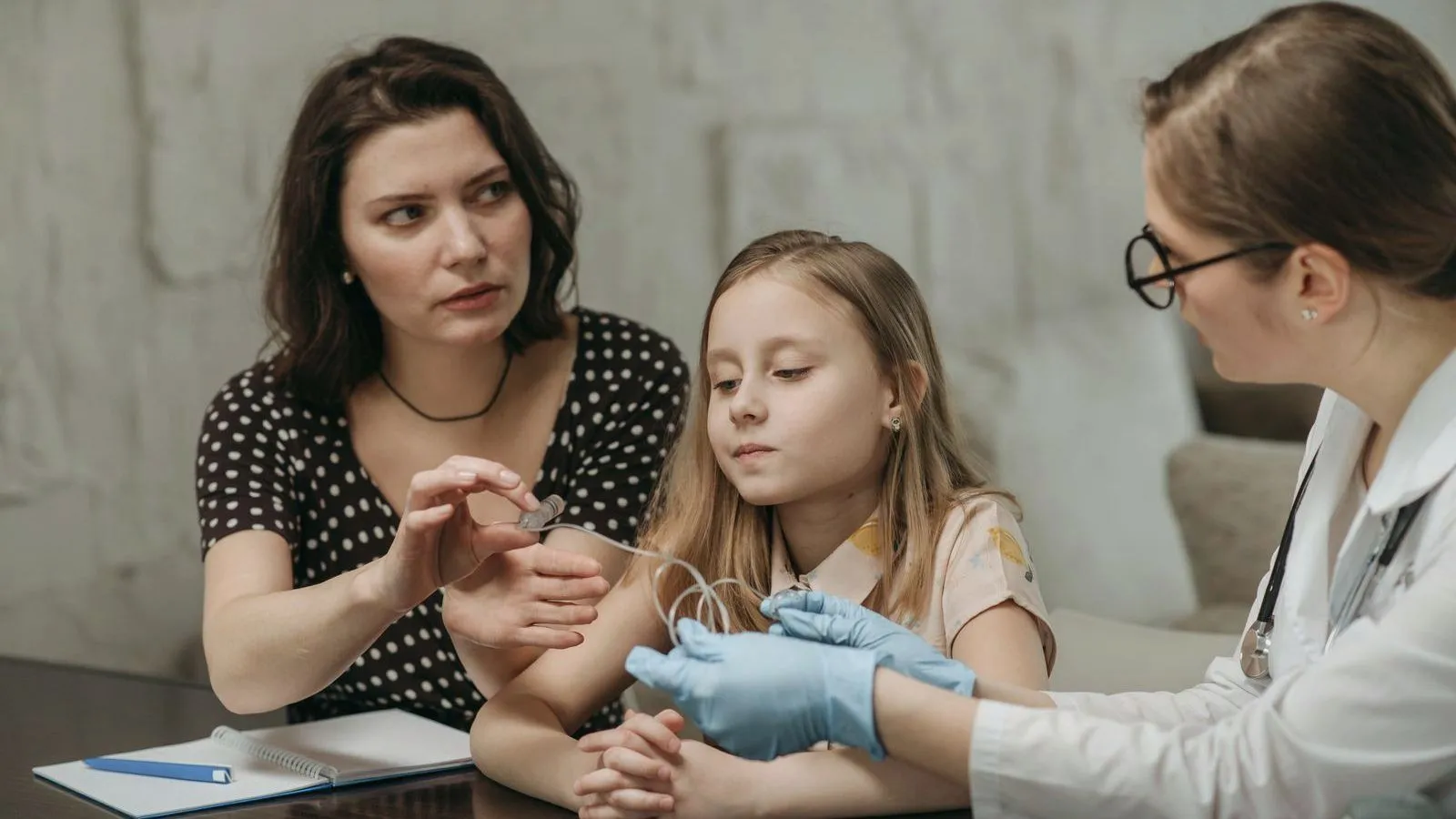
- Pediatricians in Bavaria, Germany, offered cholesterol screening to children aged about 5 to 15 at routine checkups.
- Of 25,431 children tested with a fingertip blood sample, 1,689 had high LDL cholesterol and went on to genetic testing.
- Sequencing found a disease-causing gene change in 283 of them, 17% of those tested.
- After correcting for which families took part, the estimated rate was 1 in 163, higher than the 1 in 250 often cited.
- Children with gene changes but LDL below the cutoff would have been missed.
Many people with the inherited form of high cholesterol find out the hard way. A parent or grandparent has a heart attack in their 40s or 50s, and only then does anyone check the rest of the family. Yet the condition, familial hypercholesterolemia, is present from birth and can be treated long before it causes harm.
A study in the European Heart Journal reports on a program in Bavaria, Germany, that offered every child at a routine checkup a simple fingertip blood test. Among 25,431 children screened, the condition turned out to be more common than the figure long cited.
What familial hypercholesterolemia is
MedlinePlus explains that familial hypercholesterolemia is an inherited condition characterized by very high levels of cholesterol in the blood. In people with the condition, it notes, the body is unable to get rid of extra cholesterol, and it builds up in the blood, raising the risk of coronary artery disease at a young age.
The cholesterol involved is LDL cholesterol, the kind that builds up in artery walls. Changes in a gene called LDLR, which helps clear LDL from the blood, are the most common cause. MedlinePlus puts the condition at an estimated 1 in 200 to 1 in 250 people in most countries.
How the Bavarian screening program worked
The program began in September 2020. Pediatricians were invited to offer FH screening to all children aged 4.8-14.9 years at routine pediatric examinations, with up to 480 pediatricians taking part. FH is short for familial hypercholesterolemia.
Testing used a few drops of blood from a fingertip. If a child’s LDL cholesterol was 130 milligrams per deciliter or higher, the same sample went on for genetic testing, both with a panel of the 48 most frequent gene changes and with sequencing, meaning reading the relevant genes letter by letter.
What the screening found in children
Out of 25 431 children screened so far, 1689 children had an LDL-C, or LDL cholesterol, of at least 130 milligrams per deciliter. That cutoff marked the top 7% of children. Sequencing found a disease-causing gene change in 283 of those tested, 17%, while the panel of common changes found only 157.
The higher a child’s cholesterol, the more likely a gene change. The fraction rose from 4.7% at 130-135 mg/dL to 78.6% above 200 mg/dL, or more than three in four children with the highest readings.
Taken at face value, the results suggested about 1 in 90 children carried the condition. Part of that was a single founder variant, a gene change passed down from a shared ancestor, found in 63 children and 40 times more common than the European average. Part was selection: some pediatricians enrolled only small numbers, likely favoring children with a family history. After correcting for that, the predicted prevalence was 1 in 163 (0.61%), in line with large genetic databases.
Why the 1-in-163 figure matters
A condition that affects about 1 in 163 children, rather than 1 in 250, is a sizable public health problem, and it is one that can be treated. The authors say the finding supports calls for a national pediatric screening program, given the availability of effective treatment options.
The study also offers a practical model. Checking cholesterol first and running genetic tests only when it is high keeps costs down, and the authors found that sequencing the relevant genes caught many more cases than a panel of common changes. Each child diagnosed can also lead doctors to parents and siblings who have the condition without knowing it.
What the VRONI screening study cannot show
The authors list the limits. Children who carry a disease-causing gene change but whose LDL cholesterol was below the cutoff were not tested genetically, so they were missed. Taking part was voluntary, and the selection by some pediatricians inflated the raw rate, which is why the adjusted figure matters.
The study did not follow whether diagnosed children started recommended treatment or whether their families were tested. It also did not measure possible harms of screening, such as worry for parents or a sense of being labeled for the child. Because of the local founder variant, the figure may differ in other regions.
What this changes for children and families
For families with a history of very high cholesterol or early heart attacks, the message is to ask about testing children, not only adults. The condition is silent in childhood, and a simple blood test can find it.
For health systems, the study is a working example of universal child screening for inherited high cholesterol. Whether countries adopt it will depend on costs, follow-up care and how families experience a diagnosis.
People also ask
What did the study find?
Of 25,431 children screened, 1,689 had LDL cholesterol of 130 mg/dL or higher. Sequencing identified disease-causing variants in 283 children, 17% of 1,670 genetically analyzed, rising from 4.7% at 130 to 135 mg/dL to 78.6% above 200 mg/dL. The raw prevalence was 1 in 90; after adjusting for recruitment bias, the predicted prevalence was 1 in 163 (0.61%).
What is familial hypercholesterolemia?
An inherited condition in which the body cannot clear LDL cholesterol properly, so levels are very high from birth. Without treatment, it greatly raises the risk of heart disease at a young age.
Why screen children rather than adults?
Cholesterol builds up in the arteries over a lifetime, so finding the condition early allows treatment to start before damage accumulates. A diagnosis in a child can also lead to testing of parents and siblings, who may not know they have it.
Why was the raw rate 1 in 90?
Partly because of a single gene change, known as a founder variant, that was far more common in this region than in Europe overall, and partly because some pediatricians enrolled mainly children they already suspected. Adjusting for that selection gave 1 in 163.
What is a founder variant?
A gene change that traces back to a common ancestor and becomes more frequent in a particular population or region over generations.
Should my child be tested?
If there is a family history of very high cholesterol or early heart attacks, ask your child's doctor about a cholesterol test. Screening policies differ between countries. This is general information rather than medical advice.