Tag
Brain health
Page 6 of 15
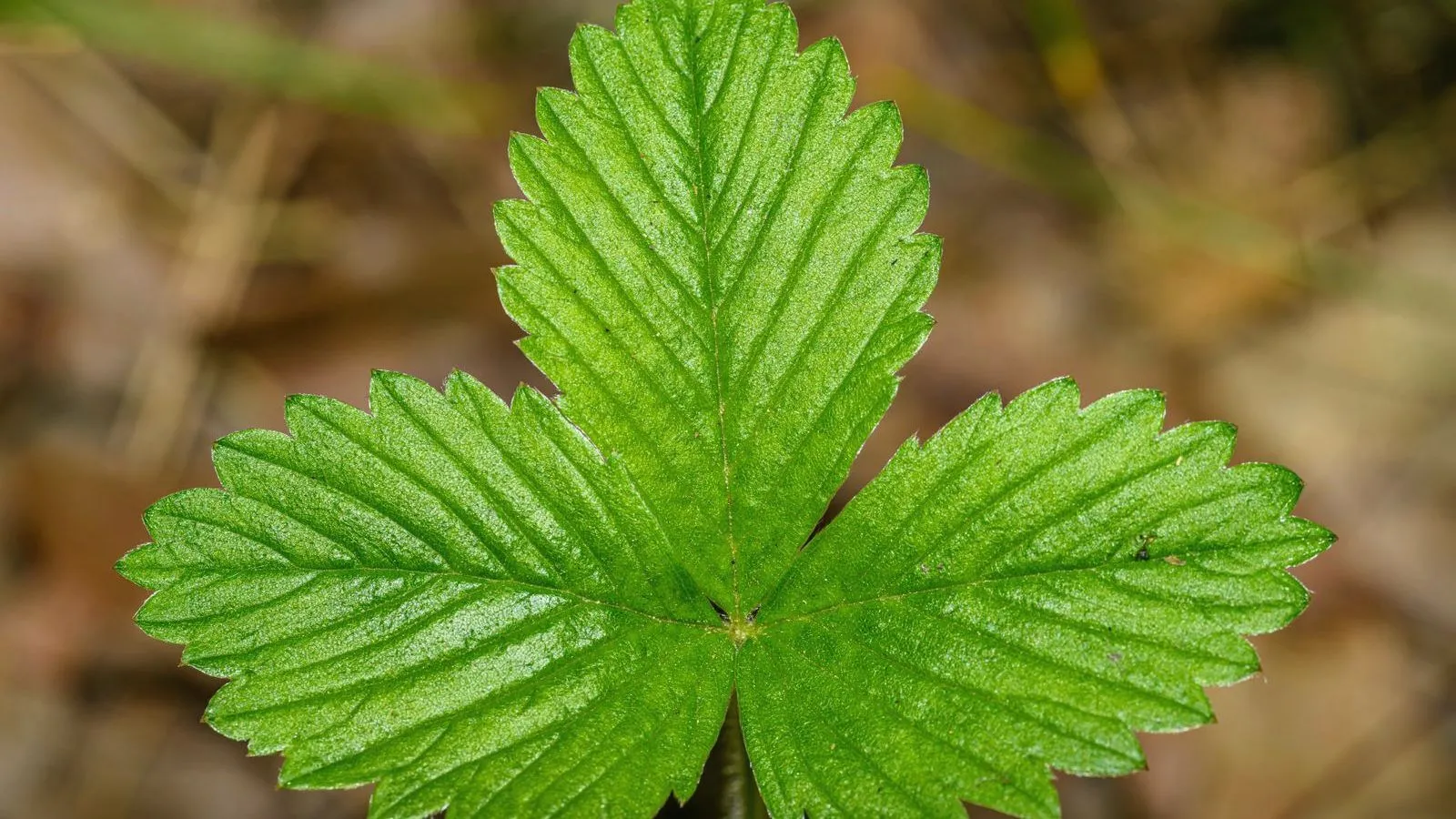
Strawberry leaf extract failed its pre-planned memory test, then reported a win anyway
109 older adults took strawberry leaf extract or a placebo for 12 weeks. The pre-planned analysis found nothing, on memory or anything else. The paper is titled 'Enhanced memory function and reduced perceived stress'.
Aug 24, 2026
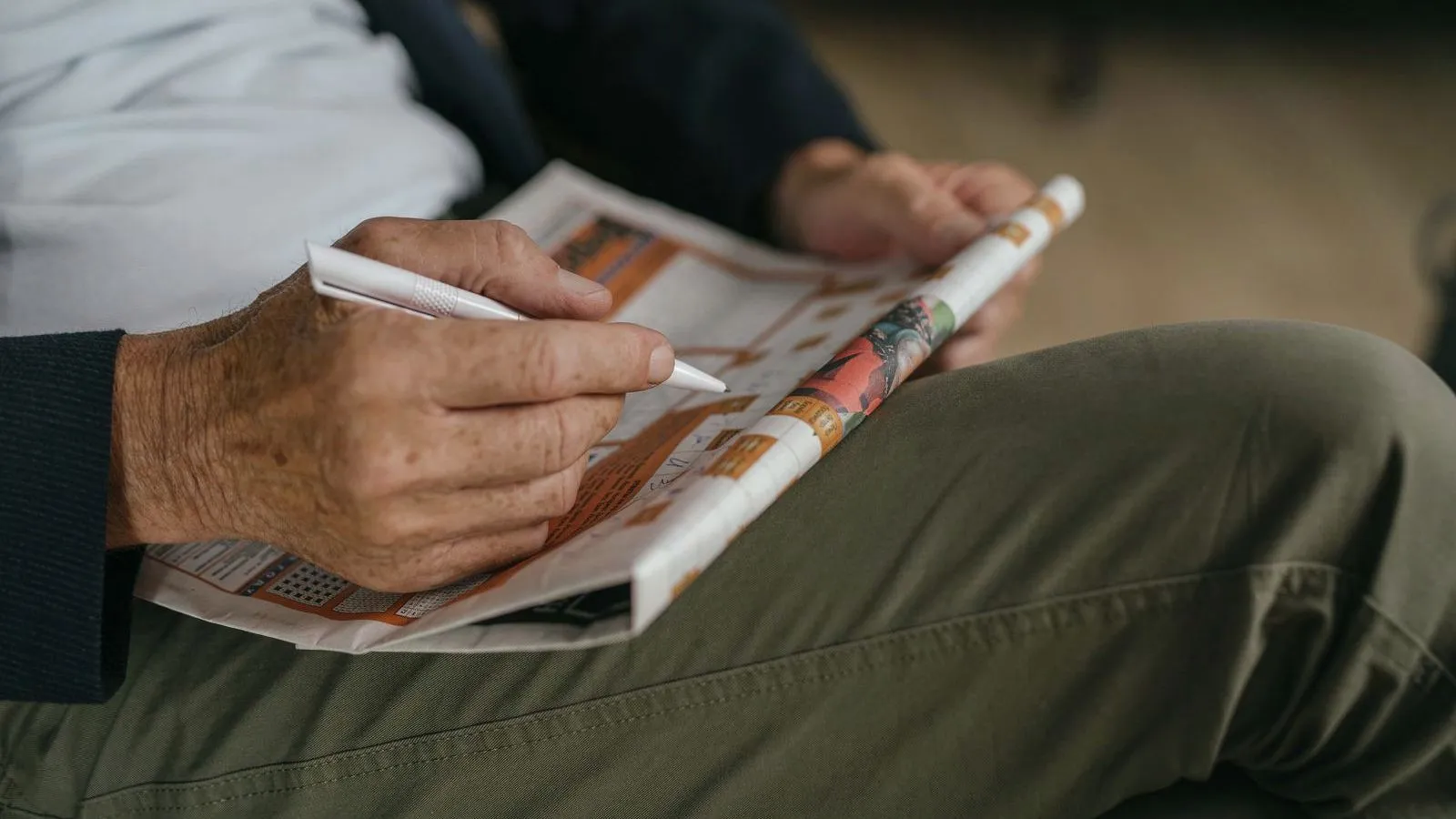
Practice at brain tests hides a year of cognitive decline
Older adults get better at cognitive tests simply by taking them again. In 977 people across 2,571 assessments, that practice gain was large enough to cancel out about a year of age-related decline.
Aug 17, 2026
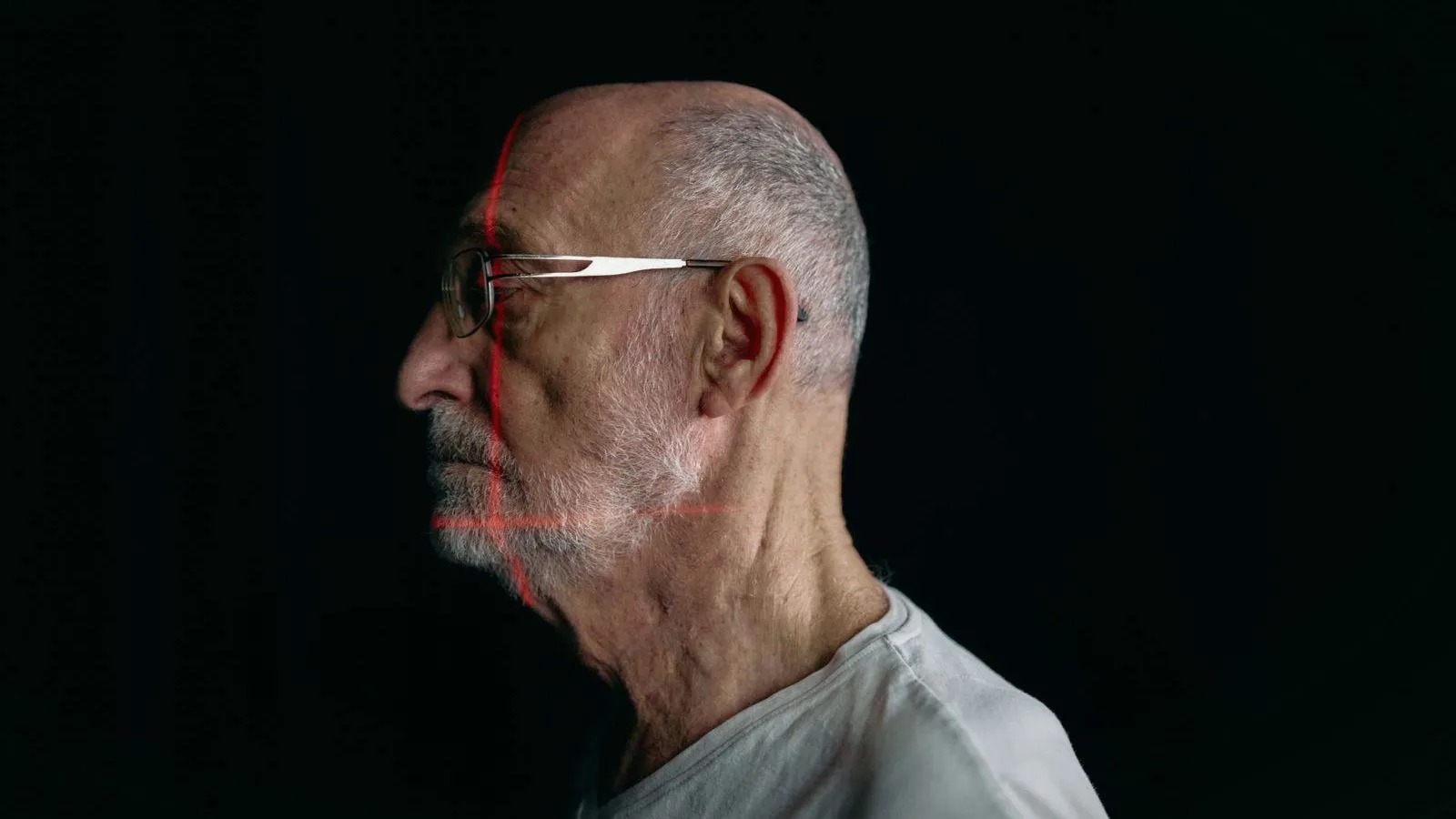
Tinnitus can show up when the hearing test looks normal
A study of 267,395 American veterans found 86% had hearing loss and 47% had tinnitus. Some had the ringing alongside normal hearing thresholds, which points at ear damage a standard hearing test does not detect.
Aug 17, 2026
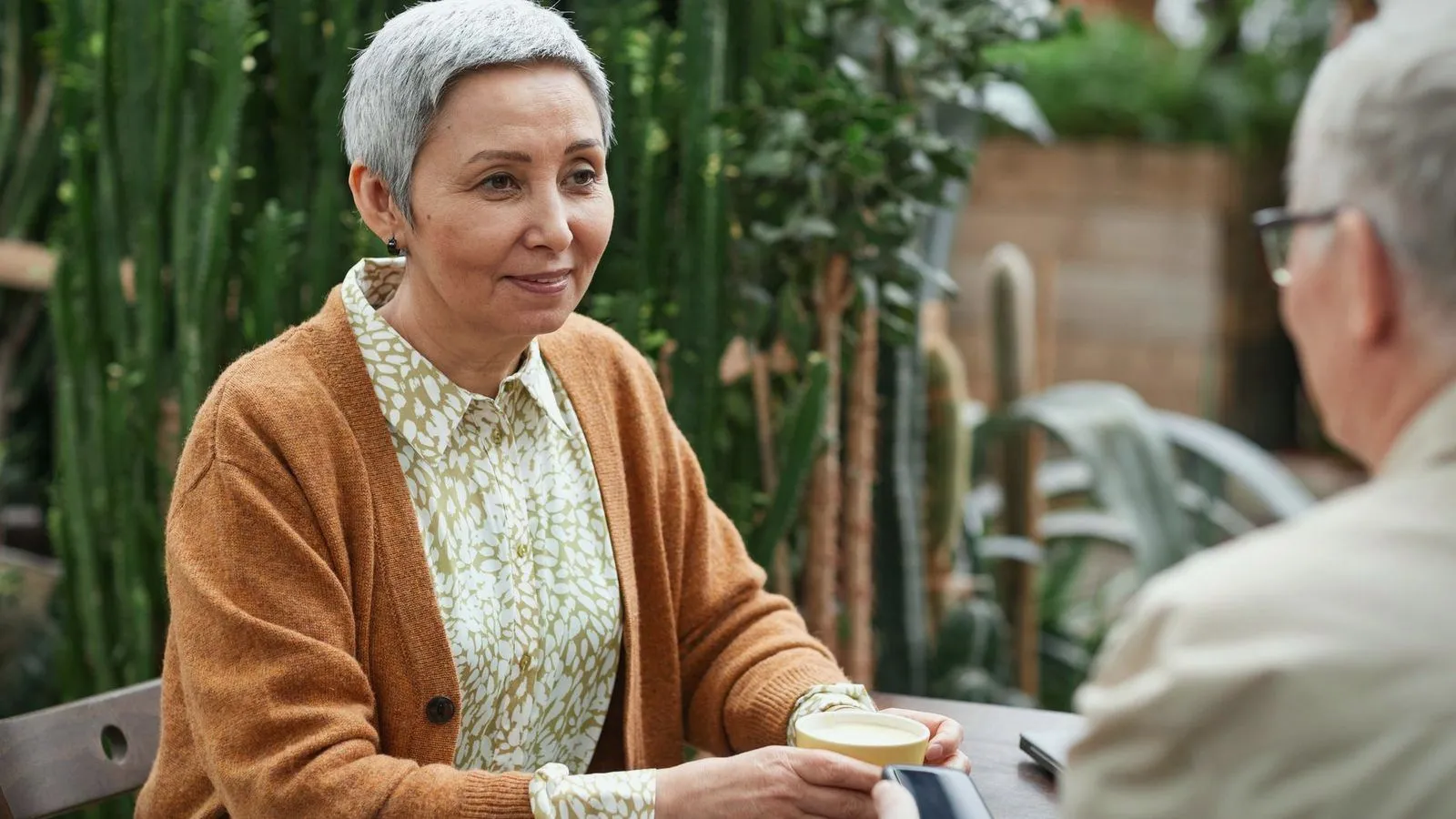
Habits predicted healthy aging; blood markers did not
In 401 dementia-free adults aged 83 to 87, habits and psychological resilience predicted cognition, mood and walking speed. None of the 120 blood markers measured accounted for the link.
Aug 6, 2026