News · Heart & Metabolic
Pushing potassium to the top of the normal range cut atrial fibrillation events by a third in a trial
A low-normal potassium level is usually left alone. In 1,200 patients with implanted defibrillators, deliberately raising it by 0.3 mmol/L cut hospital admissions and treatments for atrial fibrillation over three years.
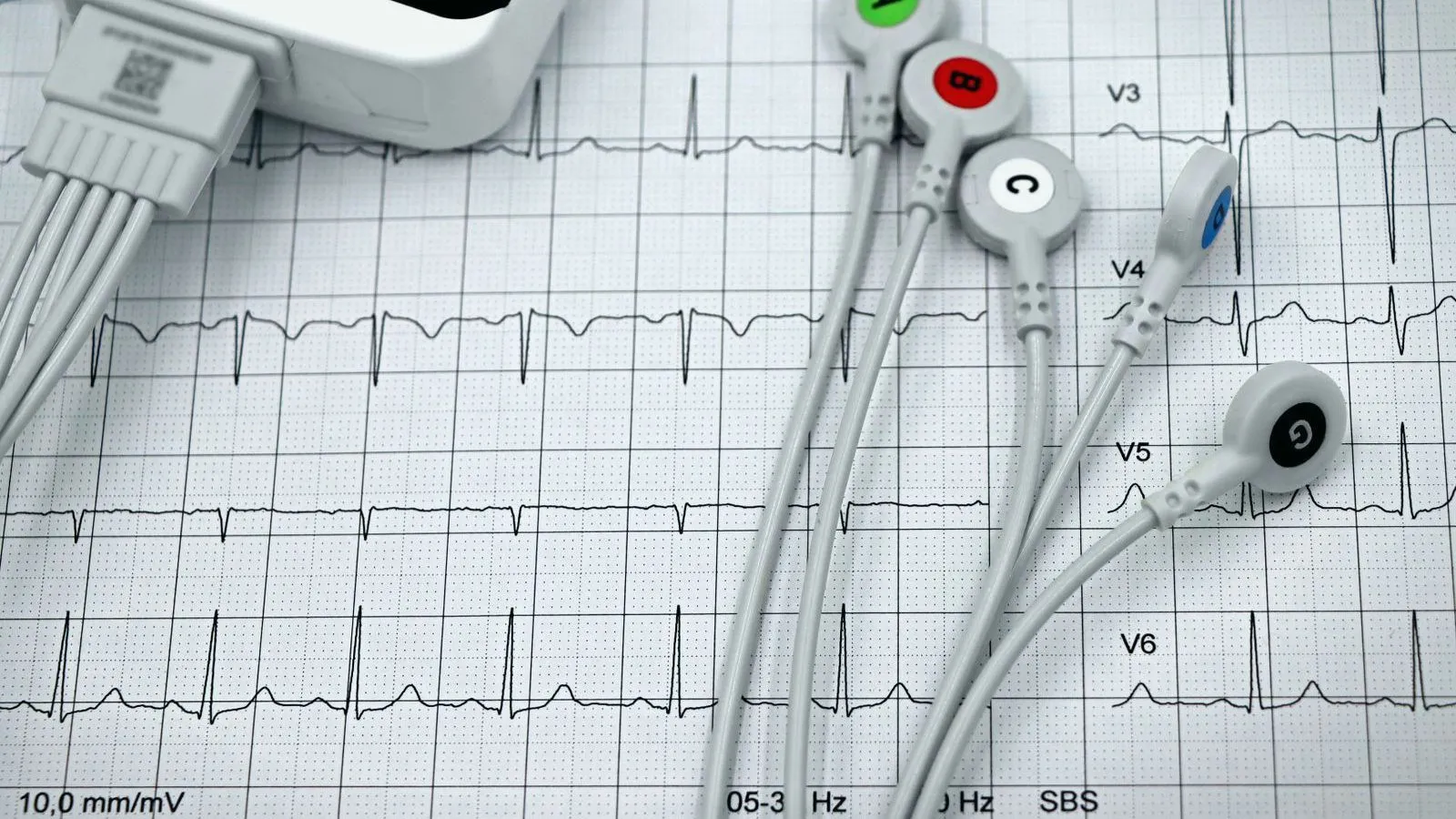
- Nudging potassium to the top of the normal range cut atrial fibrillation events by a third.
- 8% of the treated group had an event over three years, against 12% left alone.
- Everyone here had an implanted defibrillator, so every event was recorded.
- A low-normal potassium level is usually left alone, which is what this challenges.
- 1,200 patients, randomized, and the effect looked similar across the groups examined.
A potassium of 4.0 is normal. So is 4.6. Nobody treats the first to reach the second, because the reference range says both are fine.
That convention has now been tested. Writing in the European Heart Journal, the POTCAST investigators note that low-normal plasma potassium levels are associated with increased risk of atrial fibrillation, and asked whether deliberately moving people up inside the normal range would do anything about it.
Among 1200 participants with an implanted defibrillator and a potassium at or below 4.3, the answer was yes. The endpoint had occurred in 48 participants in the high-normal potassium group and 73 in the control group, 8.0% against 12.2%.
Why the normal range is not a flat plain
Reference ranges are built from what most people’s blood looks like, not from where harm begins.
Potassium is a mineral that your body needs to work properly, it helps your nerves to function and muscles to contract, and it helps your heartbeat stay regular. That last function is the relevant one. The electrical charge that fires a heart cell depends on the potassium gradient across its membrane, and small shifts change how easily the atria misfire.
Observational work has pointed at the bottom of the normal range for years. What nobody had done was move people up it on purpose and count what happened.
What was actually done, and what changed
The intervention is less dramatic than it sounds.
Adults with a defibrillator and plasma potassium at or below 4.3 were randomized to potassium-increasing treatment and standard care, or standard care alone, and plasma potassium increased by 0.3 mmol/L after uptitration in the high-normal potassium group compared with the controls.
Three tenths of a millimole. That is a smaller change than many people see between two routine blood tests, and it is entirely within the range a laboratory would report without comment.
The events counted were not subtle. The endpoint was a composite of acute hospitalizations due to atrial fibrillation leading to a change in pharmacological treatment or due to inappropriate shock therapy, hospitalization for electrical cardioversion or ablation of atrial fibrillation, and loading with amiodarone. Those are things that happen to a person, not readings on a monitor.
Why atrial fibrillation is worth this much trouble
It is very important to treat AFib, since it can put you at risk for stroke and other heart conditions.
Atrial fibrillation, also known as AFib or AF, is one of the most common types of arrhythmias, and the treatments for it are heavy. Rhythm drugs like amiodarone carry thyroid, lung and liver toxicity. Ablation is a catheter procedure in the heart. Anticoagulation prevents strokes and causes bleeding.
Against that, a potassium level nudged up by a third of a unit is a remarkably cheap lever. The treatment effect appeared similar across subgroups, including those with versus without a history of atrial fibrillation, which matters because it suggests the benefit is not confined to people already known to have the rhythm.
Who this does not apply to
Everyone in this trial had a defibrillator, which is a specific and unrepresentative starting point.
Median age 64, four in five male, all with cardiac disease serious enough to warrant an implanted device, and a third already carrying an atrial fibrillation diagnosis. A person with a low-normal potassium and a healthy heart is not the population this was tested in.
The safety context also does not transfer. Your kidneys help to keep the right amount of potassium in your body, and if you have chronic kidney disease, your kidneys may not remove extra potassium from the blood. Some medicines also raise potassium, including several of the commonest blood pressure drugs. Raising potassium in the wrong person causes exactly the arrhythmia this trial was trying to prevent.
That is why the trial monitored blood levels throughout, and why the result is a finding about supervised treatment rather than about supplements.
What happens next
This is one prespecified analysis of one trial, with 121 events in total across both arms, and an interval that runs from 0.45 to 0.93. The lower bound is impressive and the upper bound is close to no effect at all.
What it does establish is that the low end of “normal” is not clinically inert, at least in people with damaged hearts. That is a question the same investigators can now ask in wider populations, and the answer would change something ordinary: which numbers on a routine blood panel a doctor bothers to act on.
People also ask
What did the trial find?
After a median follow-up of 3.3 person-years, the endpoint had occurred in 48 participants in the high-normal potassium group (8.0%, 2.80 events per 100 person-years) compared with 73 in the control group (12.2%, 4.30 events per 100 person-years); subdistribution hazard ratio 0.65, 95% CI 0.45 to 0.93, P=.02.
What counts as low-normal potassium?
Laboratories usually call anything from about 3.5 to 5.0 mmol/L normal. This trial enrolled people at or below 4.3, which is inside that range and at its lower end, and treated them anyway.
How was potassium raised?
By uptitrating potassium-increasing treatment alongside standard care, which in practice means supplements and drugs that make the kidneys retain potassium. The achieved difference was modest: 0.3 mmol/L.
What was counted as an event?
A composite of hospital admission for atrial fibrillation leading to a change in drug treatment or an inappropriate defibrillator shock, admission for electrical cardioversion or ablation, and loading with amiodarone. These are clinical events, not readings on a monitor.
Who were the participants?
Adults with an implantable cardioverter-defibrillator or a resynchronization device, median age 64, 80% male, and a third with a history of atrial fibrillation. This is a population with established heart disease, not the general public.
Is raising potassium safe?
In a monitored trial with regular blood tests, in people with adequate kidney function, it was. Outside that setting it is not a casual intervention: too much potassium disturbs heart rhythm in its own right, and the kidneys are what keep it in range.
Should anyone start potassium supplements?
No. This was a supervised, blood-tested titration in a specific cardiac population, and potassium supplements are dangerous in chronic kidney disease and alongside several common blood pressure drugs. This is general information rather than medical advice.