News · Heart & Metabolic
Food-as-medicine groceries improved blood sugar in diabetes
A Circulation randomized trial gave 460 Medicaid-insured adults with type 2 diabetes six months of weekly grocery deliveries and saw a modest but real improvement in long-term blood sugar.
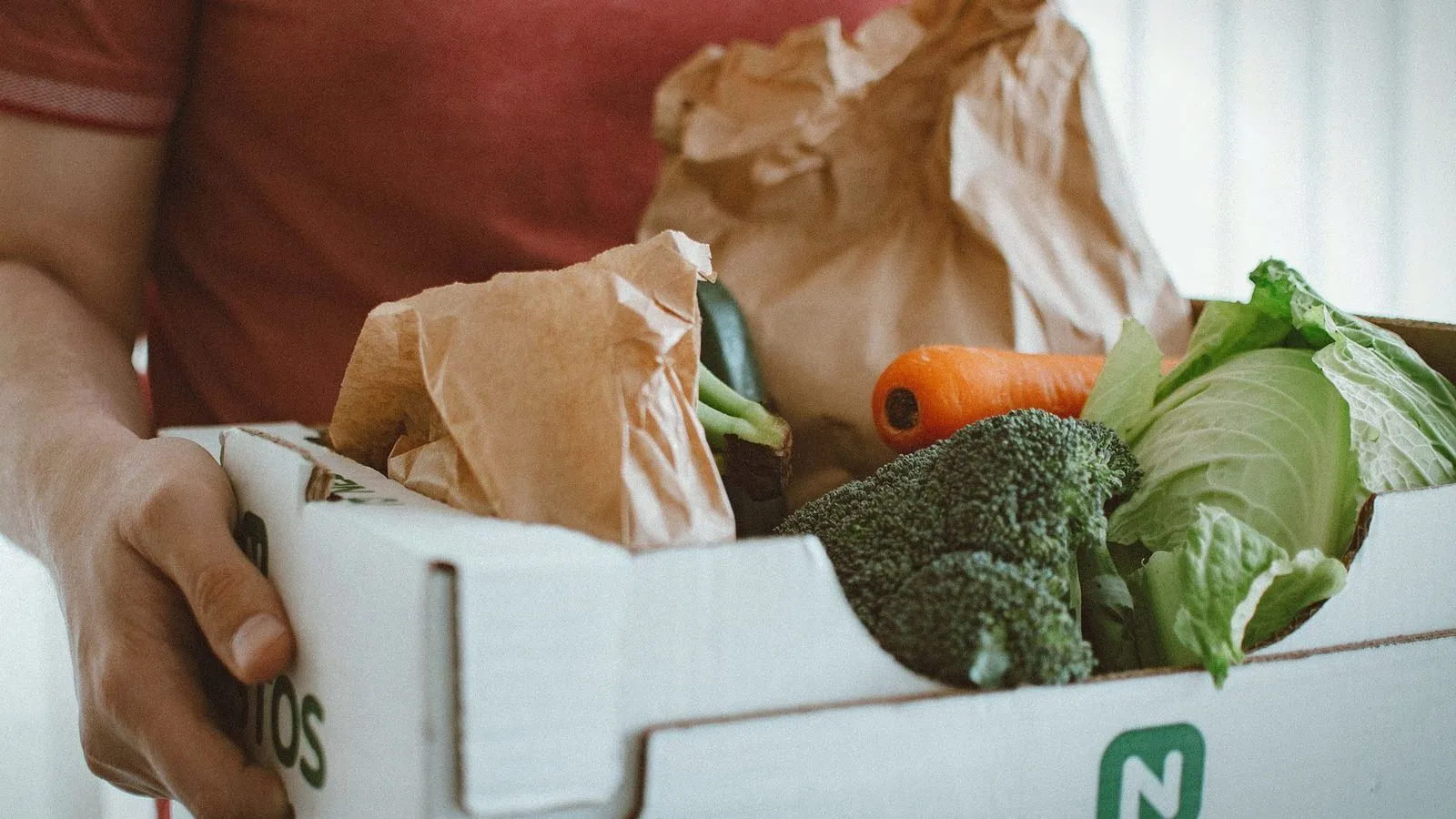
- 460 Medicaid-insured adults with type 2 diabetes, randomized to weekly grocery deliveries or usual care.
- Long-term blood sugar fell 0.66 points against 0.25 in usual care, a difference of 0.40.
- Odds of food security rose 2.12-fold and nutrition security 3.65-fold.
- Blood pressure and body mass index did not shift over the six months.
- Bigger boxes produced the same result as smaller ones, so more food did not mean more benefit.
The idea that food is medicine has never lacked enthusiasm. What it has lacked is trials. A study in the journal Circulation supplies one, and the result is neither a triumph nor a debunking.
Researchers randomized 460 Medicaid-insured adults with type 2 diabetes in southern California to receive weekly grocery deliveries or their usual care. After six months, the groups on groceries had lower average blood sugar than those without.
Why food-as-medicine needed a randomized trial
Programs handing out healthy food to patients with diet-related illness have spread through American health systems for a decade, largely on plausibility. The researchers name the gap directly: although medically tailored groceries hold promise to improve food and nutrition security and health among patients with diet-related illnesses and social needs, few randomized trials have been performed.
Plausible is not proven. This trial randomly assigned who got the food, which is the only way to separate the groceries from the kind of person who signs up for groceries.
What the weekly grocery deliveries contained
Enrollment ran from November 2021 to July 2022, with eligibility based on at least 2 HbA1c measurements of 7.5% or above in the past year, a threshold marking diabetes that is not well controlled.
Participants were randomized 1:1:1 to usual care, a lower-dose or a higher-dose grocery program for 6 months. The food arrived as weekly home deliveries of healthy produce, scaled to household size, along with matched recipes and telenutrition counseling, meaning dietary advice delivered by phone or video.
The population was one that rarely features in trials. At baseline, mean age was 59.2 years, 284 (64.8%) were women, 373 (85.2%) reported Hispanic ethnicity, and 254 (58%) reported food insecurity.
How much blood sugar improved
Average long-term blood sugar fell in both groups, but further in the group receiving food. HbA1c declined by 0.66 points in the intervention and 0.25 points in the control group, leaving a treatment difference of 0.40 points.
That is a real but moderate improvement, roughly comparable to adding a mild medication rather than transforming the disease. Given participants began at an average of 9.40, well above target, it moved them in the right direction without getting them to safety.
Two other outcomes moved more dramatically. Odds of food security and nutrition security increased by 2.12 and 3.65 respectively. For a group where more than half could not reliably get enough food, that is not a secondary benefit.
Other measures stayed put. Hypertension and body mass index did not significantly change.
The awkward details in the grocery trial
Two findings complicate the enthusiasm. First, higher-dose and lower-dose deliveries produced similar reductions, so doubling the groceries did not double the benefit. Second, uptake of the counseling was poor: 63 participants, or 21.5%, engaged in telenutrition counseling, even though 244, or 83.3%, reported eating most or all food provided.
People ate the food. They did not take the advice. Whichever component drove the improvement, it was probably the box rather than the phone call.
What the grocery trial cannot show
This was a six-month trial in one region, in a largely Hispanic Medicaid population, and it cannot say whether the gain persists after deliveries stop. That durability question is what any funder will ask next.
The authors’ conclusion stays within the evidence: in this randomized trial among Medicaid-insured, racially and ethnically diverse patients with type 2 diabetes, medically tailored groceries lowered HbA1c and improved food and nutrition security.
Food is not a replacement for medicine here. It looks more like a modest addition to it, with a large side benefit that has nothing to do with blood sugar: people who could not count on eating well, could.
People also ask
How big is a 0.40 point drop in HbA1c?
It is modest but clinically meaningful. HbA1c reflects average blood sugar over about three months, and a 0.4 point difference is roughly what you might expect from adding a low-dose medication, though less than the strongest diabetes drugs deliver. Participants started at an average of 9.40, well above the usual target, so there was substantial room to improve. The intervention group fell 0.66 points in total; the comparison group fell 0.25 on its own.
What are 'medically tailored groceries'?
They are food packages chosen to suit a specific health condition, delivered rather than prescribed. In this trial that meant weekly home deliveries of healthy produce, scaled to household size, sent with matched recipes and access to nutrition counseling by phone or video. It sits under the broader Food Is Medicine umbrella, which treats food as part of clinical care rather than lifestyle advice.
Why did more groceries not produce more benefit?
The trial tested two dose levels and found higher-dose and lower-dose deliveries produced similar reductions. One plausible reading is that the smaller box already covered what households would realistically eat, so extra volume added little. It is a useful finding for anyone designing these programs, since the cheaper version appears to do much the same job.
Did anything else improve?
Food security and nutrition security both rose substantially, meaning people were more able to get enough food and enough healthy food. Those are meaningful outcomes in their own right for the population studied, where 58% reported food insecurity at the start. Blood pressure and body mass index did not significantly change over six months.
Does this mean grocery programs should be covered by insurance?
This trial adds evidence, not a verdict. It is one six-month study in a mostly Hispanic, Medicaid-insured population in southern California, so the results may not transfer everywhere. It also cannot say whether the blood sugar improvement lasts once deliveries stop, which is the question that decides whether such programs are worth funding long term.