News · Heart & Metabolic
Turning on glucose monitor alarms helped hospital patients; making them predictive added nothing
Continuous glucose monitors are moving into hospital wards, with no agreement on whether their alarms should be switched on. Randomizing 533 inpatients tested the alarms rather than the sensor.
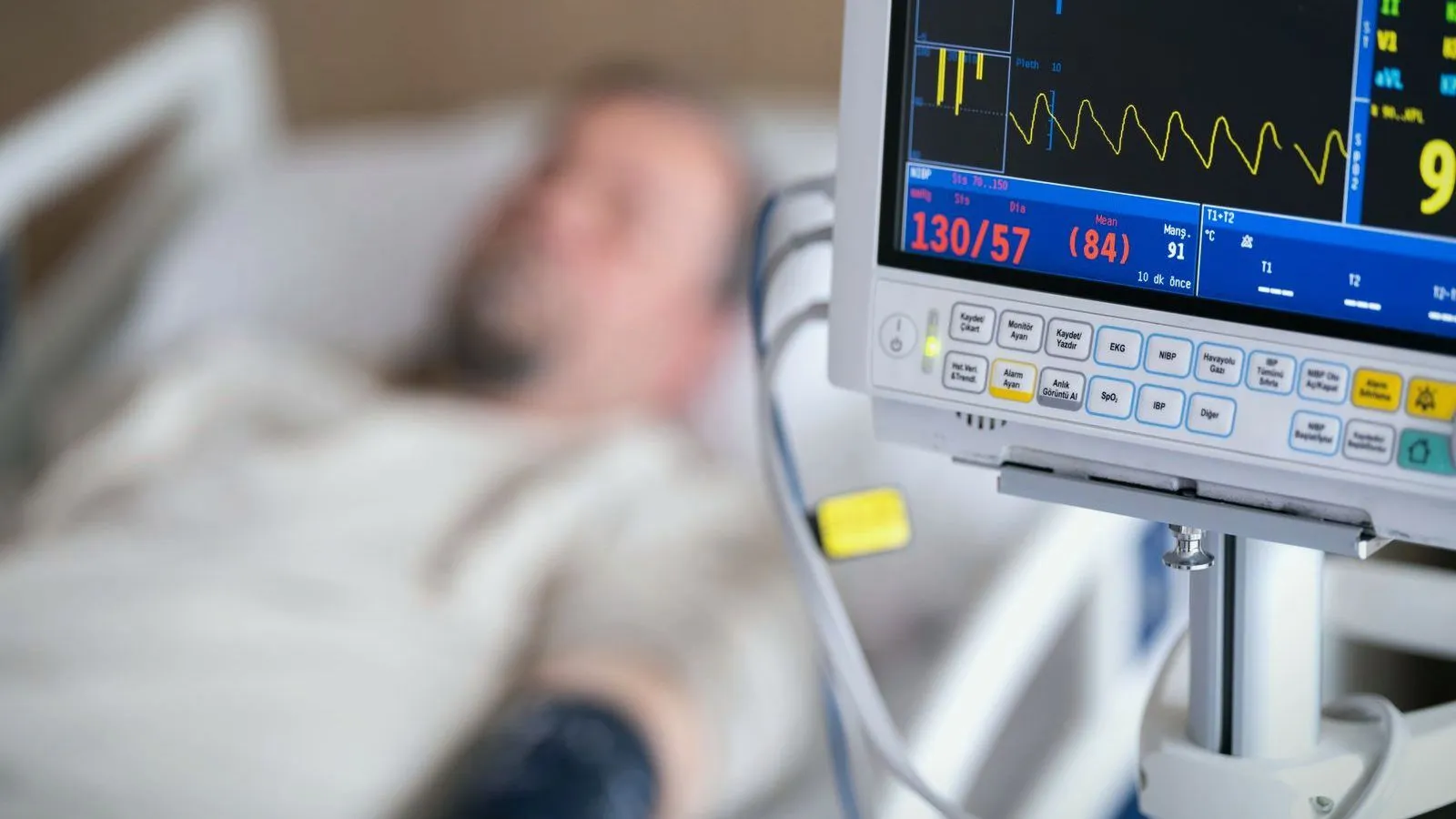
- Time in the target glucose range rose by about four points when alarms were on.
- Adding alarms that predict a coming high or low added no further benefit.
- Time spent above the target range fell by a similar amount.
- The gain is modest, and the trial ran only during the hospital stay.
- 533 adults randomized, average blood sugar control poor at entry.
A continuous glucose monitor is two things at once: a sensor that measures, and an alarm that interrupts. Almost all the research has been about the first.
In a hospital ward the second is the harder question. Wards already run on alarms, most of which are ignored, and adding another stream of them to a nurse’s shift is not obviously an improvement.
The trial nobody had run
Writing in JAMA Network Open, researchers randomized hospitalized adults with diabetes wearing monitors into groups that differed only in what the device was allowed to do.
One group had threshold alarms on, firing when glucose crossed a set number. One had predictive alarms as well, firing when the trend suggested a crossing was coming. One had everything silenced, so the sensor recorded but never interrupted.
Previously it remained unclear whether the alerts themselves did anything, or whether the benefit came simply from the readings being visible. This trial separates those.
What the alarms bought
Time in the target range rose from about 71% to about 75% when threshold alarms were switched on.
That is a gain of roughly four percentage points, or about an hour a day spent in range rather than out of it. Time above the range fell by a similar margin, so the improvement came from cutting highs rather than from anything happening at the low end.
Modest, and not nothing. These were patients who arrived with poor control, on a ward, mostly for reasons unrelated to their diabetes.
The negative result that is more interesting
Adding predictive alarms on top produced no further benefit.
This is the finding worth sitting with, because a device that warns you before glucose goes wrong sounds strictly better than one that tells you afterwards, and it is the direction the technology has been moving.
The trial cannot say why the extra warning failed to help. The most plausible account is the oldest problem in hospital technology: an alarm that fires more often is an alarm that gets silenced more often, and warning time is worth nothing if nobody acts inside it.
What the design covers and misses
Everyone here had a monitor. The trial is about how to configure it, not about whether monitors belong on wards at all, and it cannot answer that second question.
It also ran for the length of an admission. Whether better in-hospital control translates into anything after discharge, in complications or readmissions, is untested here.
And an unblinded staff group knew which patients were alarming. That is unavoidable, and it means some of the benefit may come from attention rather than from the alarms themselves.
Where it leaves the ward
Your blood glucose level is the amount of glucose in your blood, and getting it right in hospital is genuinely hard: patients are ill, eating irregularly, and on drugs that move it around.
What this offers is a cheap configuration change with a measurable payoff, and a caution against the assumption that more sophisticated alerting is automatically better. On the evidence here, turning the simple alarm on is worth doing and adding the clever one is not.
People also ask
What did the trial find?
Among 533 randomized participants (62.1% male, mean age 62 years, mean hemoglobin A1c 9.2%), mean time in range was higher with threshold alerts on than with all alerts off (75.1% vs 71.2%; adjusted mean difference 3.9%; 95% CI, 0.1%-7.8%; Holm-adjusted P = .04). Time above range was lower with alerts on. Adding predictive alerts conferred no further glycemic benefit beyond threshold alerts alone.
What is a continuous glucose monitor?
A small sensor worn under the skin that reads glucose every few minutes and sends it to a display, instead of the intermittent finger-prick readings that hospitals have traditionally relied on.
What is time in range?
The share of the day glucose spends between 70 and 180 mg per deciliter. It has become the standard way to judge control because it captures both highs and lows, which an average alone conceals.
What is the difference between the two kinds of alert?
A threshold alert fires when glucose crosses a set number. A predictive alert fires earlier, when the trend suggests it is about to. The second sounds obviously better, and in this trial it was not.
Why would predictive alerts add nothing?
The trial does not establish why. One plausible account is alarm fatigue: more alerts on a busy ward means more that get silenced, and the extra warning time buys nothing if nobody acts on it.
Is a four-point gain worth having?
It is modest and it is real. Against a background where these patients entered with poor control, a few extra percentage points in range during an admission is a small improvement rather than a transformation.
Does this change hospital care now?
It informs how monitors are configured rather than whether patients should have them, and those are decisions for the treating team. This is general information rather than medical advice.