News · Brain & Mental Health
Exercising while volunteering went with better mental health and less loneliness, in 2,856 UK adults
Groups that combine a run or workout with helping someone out are a staple of social prescribing. Surveys linked to a nationwide program found participants less lonely and less distressed, for months.
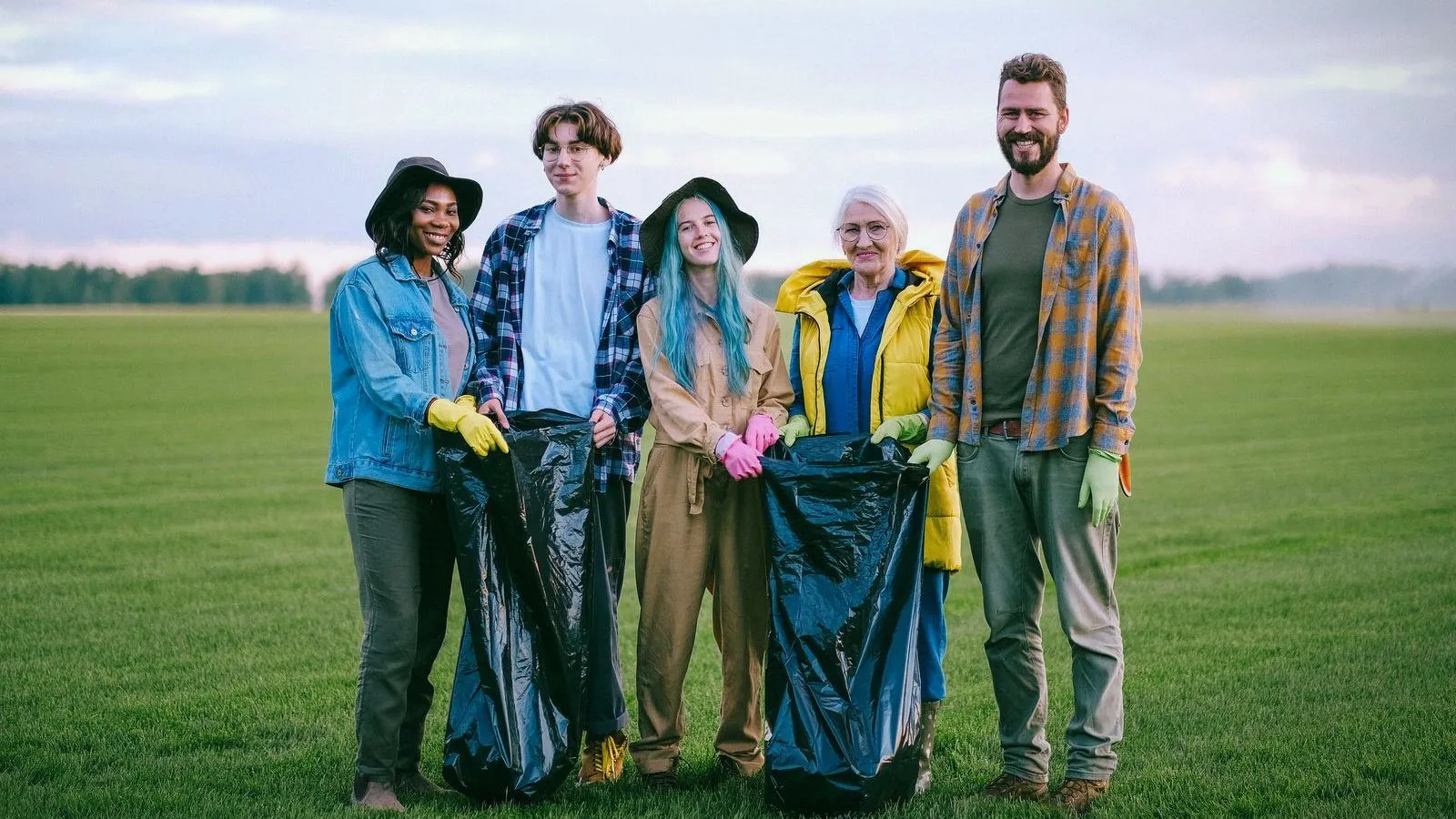
- An observational study of 2,856 UK adults who signed up to a nationwide program combining exercise with volunteering.
- People who took part were compared with people who signed up but never did, some for reasons outside their control.
- Participants reported less mental ill health and loneliness, and more belonging, connection and trust.
- The differences were sizeable and lasted beyond six months, and the benefits outweighed the costs.
- People who follow through on signing up may differ from those who do not, which a survey cannot fully rule out.
Two of the most reliable things a person can do for their mood are to move and to help someone else. Community groups that combine the two, where members run or work out together on the way to a volunteering task, have spread across the UK and become a fixture of social prescribing, the practice of doctors referring patients to community activities. What has been missing is evidence that they work outside the tidy conditions of a trial.
A study in Social Science & Medicine linked surveys of 2,856 people to records of who actually took part in one such nationwide program. Participants reported less loneliness and less mental distress, and the difference lasted for months.
What mental health covers
MedlinePlus defines it broadly: mental health includes our emotional, psychological, and social well-being. That last part matters here. The page adds that it helps determine how we handle stress, relate to others, and make choices.
Interventions aimed at the social side of mental health, loneliness and belonging in particular, have grown quickly, partly because they are cheap and partly because health services are stretched. The authors note that robust evidence that they are effective at scale, outside controlled trials, remains scarce.
How the exercise and volunteering study worked
The researchers evaluated a nationwide UK intervention that combines exercise and volunteering in local communities. They ran three waves of surveys between February 2023 and March 2024, gathering 3,590 responses from 2,856 people, and linked them to the program’s own records of who turned up.
The key comparison is what makes it more than a satisfaction survey. The authors compare participants with those who signed up but did not participate, including for plausibly exogenous reasons, meaning reasons that had little to do with the person’s own motivation or mood. Those people are a fairer comparison than the general public, because they had shown the same interest by signing up.
What happened to loneliness and mental health
Across the measures, participants did better. Participation is associated with lower mental ill health and loneliness, and higher feelings of belonging, connectedness, and trust.
Two details strengthen the result. The estimates are sizeable and persist beyond six months, so this was not a brief glow after a first session. And when the researchers set the benefits against what the program costs to run, they found benefits substantially exceed costs, which is the question any funder asks first.
Why pairing exercise with helping others works on paper
Each half of the combination has its own evidence. Exercise lifts mood and eases anxiety; volunteering gives people purpose and contact with others. Doing both together, in a group, adds a third ingredient: regular company with people who share a goal, which is close to the definition of the belonging that lonely people lack.
The format also lowers barriers. People who would not join a gym or sign up for a befriending scheme may be willing to go for a run that ends with a practical task for a neighbor, because it gives both activities a reason beyond self-improvement.
What a survey of volunteer sign-ups cannot prove
This was not a randomized trial. People who follow through on something they signed up for may be more organized, more motivated or simply in a better place than those who do not, and comparing them risks crediting the program with differences that were already there. Using people who missed out for reasons beyond their control helps, but it cannot rule that out completely.
The surveys were incentivized and self-reported, and they covered one program in one country. Whether the same approach works as well elsewhere, or for people with more severe mental illness, is not known from this study.
What this changes for exercise and volunteering schemes
For individuals, it adds weight to advice that is already sensible: moving with other people, and doing something useful while you are at it, is a low-cost way to feel more connected. It is not a substitute for treatment for anyone who is seriously struggling.
For health services and funders, the study offers the kind of evidence that social prescribing has often lacked: benefits at scale, lasting months, and larger than the cost. That makes community exercise-and-volunteering groups a more defensible thing to refer people to, and to pay for.
People also ask
What did the study find?
Participation was associated with lower mental ill health and loneliness, and higher feelings of belonging, connectedness and trust. The estimates were sizeable, persisted beyond six months, and benefits substantially exceeded costs.
What kind of program was this?
A nationwide UK scheme in which people exercise together in their local area while doing something useful for the community, such as helping an older neighbor or a local project.
What is social prescribing?
When a doctor or health worker refers someone to a community activity, such as an exercise group, volunteering or an arts class, to support their health and well-being alongside or instead of medical treatment.
How did the researchers compare people fairly?
They compared participants with others who had also signed up but did not take part, including some who were prevented by chance circumstances rather than choice, so the two groups started out more alike.
Can this prove the program improved mental health?
Not definitively. It was not a randomized trial, and people who follow through may differ from those who do not. The comparison design reduces that problem but cannot remove it.
Is it worth trying something similar?
Group exercise and volunteering both have wider evidence behind them, and combining them costs little. Anyone struggling with their mental health should also speak to a doctor. This is general information rather than medical advice.