News · Nutrition & Diet
Ultra-processed meal raised insulin more than a matched meal, in a trial of 57 healthy-weight adults
Of 57 young adults enrolled, 32 ate two 300-calorie meals in random order, matched for calories, nutrients, fiber and salt. The ultra-processed one drew more insulin. In separate scans, food pictures stirred reward areas differently.
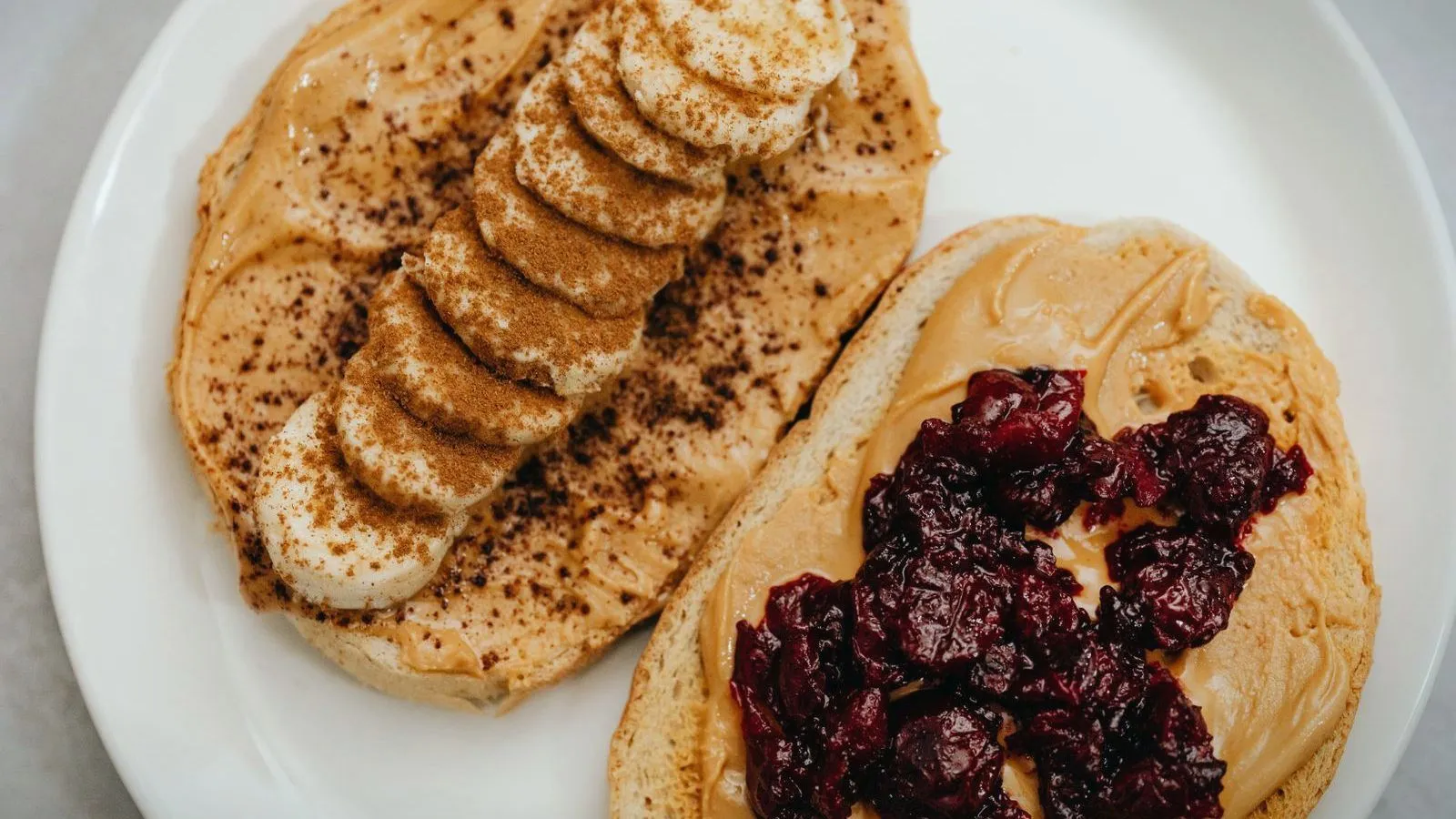
- The two 300-calorie meals had the same calories, nutrients, fiber and salt but differed in how processed they were.
- After the ultra-processed meal insulin rose higher and less carbohydrate was burned; blood sugar did not differ.
- Volunteers valued both kinds of food the same, but reward areas of the brain responded to them differently.
- Earlier diet trials did not closely match nutrients; this one did, and insulin and fuel use still diverged.
- One small meal in young, healthy-weight adults over three hours; protein sources and additives also differed.
One plate held a bite of peanut butter and jelly sandwich, some deli turkey, veggie chips, a cookie, cereal and instant mashed potatoes. The other held a sliced banana, dried cranberries, cheese and egg. On paper the two meals were the same: 300 calories each, with carbohydrate, fat, protein, fiber, salt, water and weight matched to within a couple of percent. “If these meals had a nutritional label, they would be practically identical,” said Zach Hutelin, the study’s first author.
The young adults who ate them did not handle them as identical. In a randomized trial published on October 5 in Nature Metabolism, researchers at Virginia Tech’s Fralin Biomedical Research Institute found that the ultra-processed meal drew greater insulin and energy responses than the minimally processed one. After it, the same people had more insulin in their blood and, less clearly, used more energy and burned less of the carbohydrate they had eaten. Blood sugar itself did not differ. In brain scans on a separate day, reward areas also reacted in contrasting ways to pictures of the two kinds of food.
The study is small: 57 healthy-weight adults enrolled, and 32 completed both meal visits. What it adds is a test the bigger studies could not run: whether processing still matters once the nutrients are held equal.
Why does it matter that the meals were nutritionally matched?
Ultra-processed food is a category from the Nova system, which sorts foods by the extent and purpose of industrial processing. Its fourth and last group holds products built from substances taken out of whole foods and then modified, usually with additives designed to make the final product palatable: flavorings, colors, emulsifiers, sweeteners and thickeners. Such foods now make up the majority of calories consumed in the United States, the study’s authors note.
Large population studies have tied them to a long list of illnesses. In 2024 the BMJ published an umbrella review, a study that pools earlier pooled analyses, covering 45 pooled analyses of different health outcomes and nearly 10 million people. It tied exposure to ultra-processed foods to worse results on 32 of the 45, from heart disease deaths to type 2 diabetes and depression. The same review rated most of that evidence as low or very low in quality. Studies that watch what people choose to eat cannot fully separate the food from everything else about the eater.
Trials can, and the best known came from the US National Institutes of Health in 2019. Kevin Hall’s team admitted 20 adults to a research ward for a month. Each spent two weeks on ultra-processed meals and two on unprocessed ones, free to eat as much or as little as they liked. The meals on offer were matched for presented calories, sugar, salt and fiber, but not for what people chose to eat. During the ultra-processed diet they ate about 500 more calories a day and put on 0.9 kilograms, about two pounds, in two weeks. A British trial in 2025 ran a similar comparison for eight weeks in 55 adults in England. Both diets followed the UK Eatwell Guide, the national healthy-eating advice, and weight loss was greater on the minimally processed one.
Those trials leave a gap. A meta-analysis led by Eric Robinson and published in September 2026 pooled ten trials and found more weight gain and faster eating on ultra-processed diets. But the diets in those trials were not matched for nutrient profile, and the extra eating mostly showed up when the ultra-processed food was also more calorie-dense. The reviewers rated the certainty as low and noted that the results may be explained by energy density instead of processing.
Alexandra DiFeliceantonio, the neuroscientist whose lab led the new study, built the experiment around that gap. “We know that the majority of ultraprocessed foods are high in fat, they’re high in sugar, they’re low in fiber, and they’re low in protein,” DiFeliceantonio said. “But if we artificially hold all of those things constant, is there something about the processing that leads to a different outcome?”
How the Virginia Tech team tested the two meals
Volunteers were aged 18 to 45 with a BMI between 18.5 and 25, the healthy-weight range. Their average age was 26, and about a third were men. Each was to eat both meals, on different days and in random order. The design is known as a crossover: every participant tries both conditions and is compared with themselves, so differences between people drop out.
To build the meals, the researchers ran an algorithm through combinations of 28 foods, half ultra-processed and half not, until it found the closest nutritional pair. The final meals matched on weight, calories, calorie density, carbohydrate, fat and protein to within 1.6%. They also matched on fiber, salt and water, and on how quickly their carbohydrate tends to raise blood sugar.
After an overnight fast, each volunteer spent four hours in a metabolic chamber, a sealed room used to measure human energy expenditure, or how much energy a body burns. The room tracks the oxygen a person takes in and the carbon dioxide they breathe out, which shows both how much energy is burned and whether the body is running mainly on carbohydrate or on fat. After a baseline period, the volunteer had 10 minutes to eat. Blood was then drawn at intervals for three hours to track glucose and insulin, the hormone that moves sugar out of the blood and into cells.
On a separate day, the same volunteers lay in a functional MRI scanner, which follows changes in blood flow across different regions of the brain as a sign of activity. They looked at pictures of the 28 foods and bid between $0 and $5 on each in a mock auction. That gave the team a measure of how much each person valued each food, set beside what the brain was doing at the time.
Of the 57 who enrolled, 32 completed both chamber visits and 52 were included in the brain-scan analyses.
What happened to insulin after the ultra-processed meal
Insulin gave the clearest answer. Over the three hours, total insulin was higher after the ultra-processed meal, even though blood glucose did not differ between the meals. The body released more insulin to clear what looked, in the blood, like the same amount of sugar. The authors describe a pattern consistent with a relative reduction in insulin sensitivity: the same job seemed to take more insulin.
Fuel use shifted as well. The chamber recorded a higher metabolic rate after the ultra-processed meal, along with attenuated carbohydrate oxidation, meaning less of the meal’s carbohydrate was burned, and more fat burned in its place. Both of these gaps were smaller and less certain than the insulin result.
The paper gives every effect as a total across the three hours and does not turn any of them into percentages or calories. So the study shows which way each measure moved, and not how big the gap would look on a lab report.
What the brain scans showed about ultra-processed food
In the auction, participants bid about the same for both kinds of food. Their brains told another story.
The researchers looked first at the striatum, a cluster of structures deep in the brain involved in learning, motivation, and reward. The paper ties the meal results to striatal activation in response to food cues: participants whose carbohydrate burning differed most between the two meals also showed the biggest differences in how the striatum reacted to pictures of food, seen later in the scanner.
The second result concerned value. For minimally processed foods, brain activity rose as a participant’s bid rose. For ultra-processed foods it moved the other way, a reversal the paper places in the visual cortex and striatum. The team suggests that the level of processing may engage these regions through routes unrelated to nutrients, while allowing that the pattern may reflect individual differences in how subjective value is encoded.
Carlos Monteiro, the University of Sao Paulo epidemiologist whose research led to the Nova classification, singled out this part of the work. “This is a novel and important contribution, as the brain ultimately regulates eating behavior,” Monteiro told Nature Metabolism.
Why might processing change how a meal is handled?
The trial did not test a mechanism, and the researchers offer one only as a hypothesis. Many ultra-processed products, they write, turn quickly into a lubricated, semi-fluid bolus once chewed, helped by added fats. A meal that breaks down faster might be absorbed faster, and that could prompt a sharper insulin release even with the nutrients unchanged.
The idea fits a wider argument about the food matrix, the physical structure that holds nutrients together in whole foods and is often broken apart in factories. A 2025 Lancet series led by Monteiro listed soft texture and disrupted food matrices among the ways ultra-processed diets may drive overeating. The new trial measured total fiber but not the structure of the foods, so it cannot say whether texture explains what it found.
On disease, the paper is cautious. It describes the result as a plausible physiological mechanism through which repeated exposures could contribute to the metabolic problems reported in population studies. That is a proposal about how a single-meal effect might build up over years. The trial itself does not show it.
Limits of one 300-calorie ultra-processed meal
The trial tested one pair of meals, each about the size of a light snack, in young adults of healthy weight, over three hours. Responses may differ to larger caloric loads, the authors note, and older people or people with obesity or diabetes may respond in other ways.
Total protein was matched, but the sources of protein in each meal differed, and the authors say that could have influenced the insulin response. One plate had cheese and egg, the other turkey and peanut butter. The ultra-processed meal also contained more additives. So the study cannot say whether an additive, a protein source or the processing itself drove the insulin difference.
Participants could see whether there was a cookie on their plate, and the researchers who collected and analyzed the data knew which meal was which. Only 32 of the 57 completed both chamber sessions, so the metabolic results rest on a smaller group than the headline number. The brain results are correlations in a modest sample and need repeating before much weight goes on them.
The team wants to study different populations, longer time periods, bigger meals, and more pairings of foods. “We want to examine specific factors, such as commercial additives or specific processing steps, that might lead to different metabolic responses,” DiFeliceantonio said.
What the ultra-processed meal trial adds
The study does not rank foods, and it does not show that an ultra-processed meal does lasting harm. It is one piece of controlled evidence that, with the nutrition label held the same, the body handled an ultra-processed meal differently in the hours after eating it. Whether that difference, repeated over thousands of meals, explains any of the disease seen in population studies is a question the authors leave open. How any of this bears on one person’s diet is assessed by their doctor.
For now the trial shows, in one small meal and a few dozen young adults, that the body can tell apart two plates a nutrition label cannot.
People also ask
What counts as an ultra-processed food?
Under the Nova system, which sorts foods by how much and why they are industrially processed, ultra-processed foods are industrial formulations made largely from substances extracted or modified from whole foods, often with additives such as flavors, colors, emulsifiers and sweeteners. In this trial, the ultra-processed meal included a bite of a peanut butter and jelly sandwich, deli turkey, veggie chips, a cookie, cereal and instant mashed potatoes.
How big was the insulin difference?
The paper reports the difference as total insulin over three hours, which was higher after the ultra-processed meal with a P value below 0.001, meaning chance is an unlikely explanation. It does not translate the gap into a percentage, so how large it is in everyday terms is not clear from the study.
Did blood sugar go up more after the ultra-processed meal?
No. Total blood glucose over three hours did not differ between the two meals (P = 0.92). The body released more insulin to handle a similar amount of sugar, which the authors describe as consistent with a relative reduction in insulin sensitivity.
Does one meal like this cause weight gain or diabetes?
The trial did not test that. It measured responses for three hours after a single 300-calorie meal in young, healthy-weight adults. Longer trials have found more eating and weight gain on ultra-processed diets, but those diets were not matched for nutrients the way these meals were.
Does this study change dietary advice?
It does not change any guideline on its own. It adds a controlled test to a debate about whether processing matters beyond nutrients, and the authors call for studies of bigger meals, longer periods and specific additives. This is general information rather than medical advice.
References
- Hutelin, Z., Ahrens, M., Baugh, M. E., et al. Metabolic and neural responses to ultraprocessed foods: a randomized, controlled, crossover study. Nature Metabolism, 2026.
- Hall, K. D., Ayuketah, A., Brychta, R., et al. Ultra-Processed Diets Cause Excess Calorie Intake and Weight Gain: An Inpatient Randomized Controlled Trial of Ad Libitum Food Intake. Cell Metabolism, 2019.
- Robinson, E., Jones, A., Evans, R., et al. A systematic review and meta-analysis of randomized controlled trials examining the effect of ultra-processed food on energy intake and weight gain. Critical Reviews in Food Science and Nutrition, 2026.
- Dicken, S. J., Jassil, F. C., Brown, A., et al. Ultraprocessed or minimally processed diets following healthy dietary guidelines on weight and cardiometabolic health: a randomized, crossover trial. Nature Medicine, 2025.
- Lane, M. M., Gamage, E., Du, S., et al. Ultra-processed food exposure and adverse health outcomes: umbrella review of epidemiological meta-analyses. BMJ, 2024.
- Monteiro, C. A., Cannon, G., Levy, R. B., et al. Ultra-processed foods: what they are and how to identify them. Public Health Nutrition, 2019.
- Monteiro, C. A., Louzada, M. L., Steele-Martinez, E., et al. Ultra-processed foods and human health: the main thesis and the evidence. The Lancet, 2025.