News · Longevity & Aging
Statins in healthy over-70s cut heart attacks and strokes by 30% but did not extend disability-free life
Whether older people without heart disease should start a statin has been one of medicine's open questions. An Australian trial of 9,971 people gave a split answer.
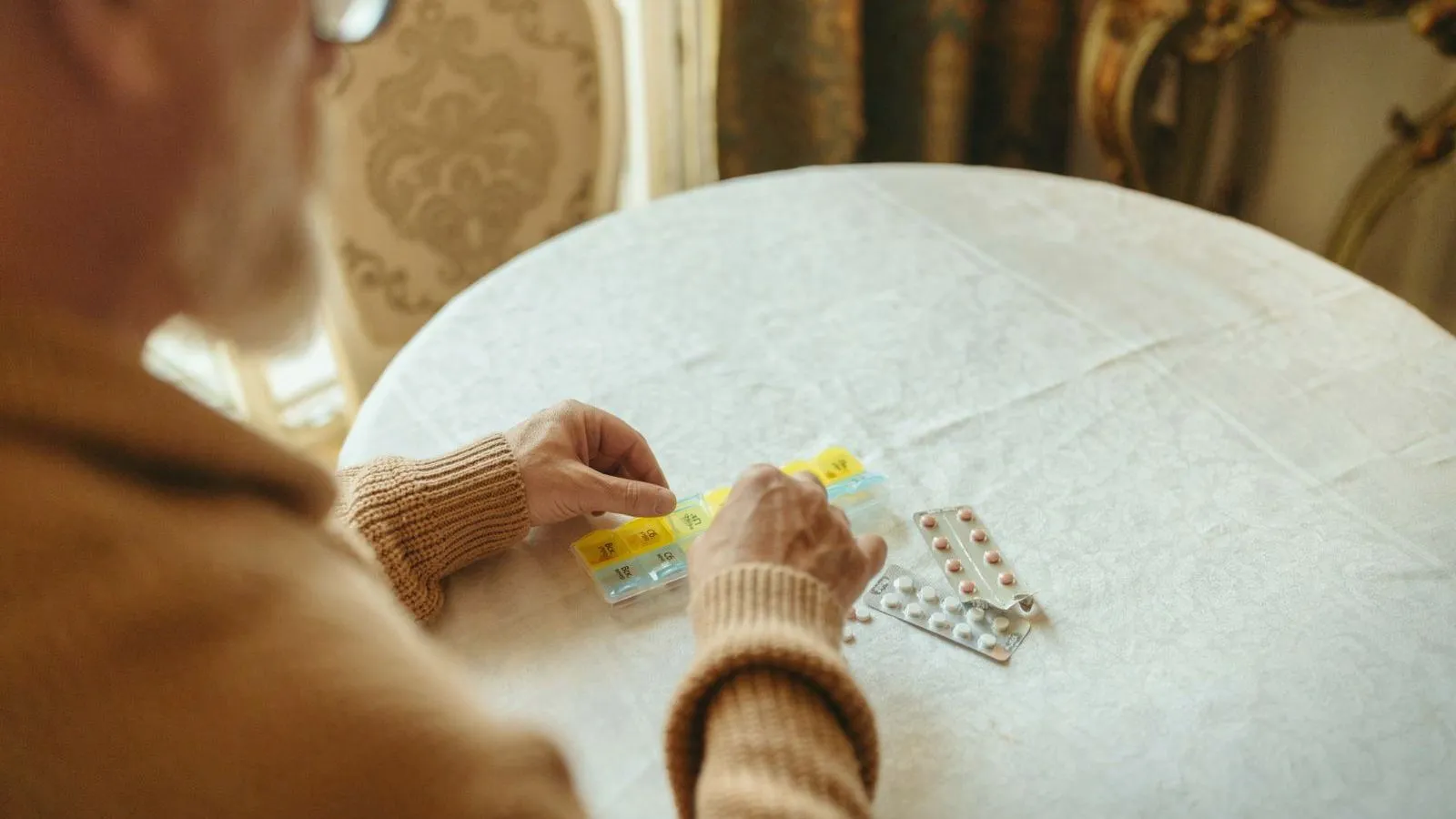
- A double-blind randomized trial of 9,971 Australians aged 70 or over with no heart disease, diabetes or dementia.
- Half took atorvastatin 40 mg a day and half a placebo, for a median of almost six years.
- Heart attacks, strokes, heart procedures and heart deaths were about 30% less common on the statin.
- Staying alive without dementia or lasting disability was about the same in both groups.
- Muscle, liver and diabetes-related side effects were somewhat more common on the statin.
Statins are among the most prescribed medicines in the world, and for people who already have heart disease the case for them is settled. For healthy people over 70 it never has been. Previously, most statin trials enrolled few older adults, so guidance for this age group leaned on evidence from younger people. And older people have more to weigh: other illnesses, more pills, and priorities that may lean less toward avoiding a heart attack in ten years and more toward staying independent now.
The STAREE trial, published in the New England Journal of Medicine, tested exactly that group: 9,971 Australians aged 70 or over with no heart disease, diabetes or dementia. The statin cut heart attacks and strokes by about 30%. It did not help people stay alive and independent for longer.
What statins do
MedlinePlus describes statins as a type of cholesterol medicine that work by slowing down how much cholesterol the liver makes. It adds that studies have shown that statins lower the risk of heart attack and stroke in people with high LDL cholesterol.
The question in older adults is not whether statins lower cholesterol; they clearly do. It is whether that translates into a better life for people who start them late, without heart disease, and with fewer years to gain from prevention. The authors describe the effectiveness and safety of statins for the primary prevention of cardiovascular events and the extension of disability-free survival among older adults as uncertain.
How the over-70 statin trial was run
The design was simple and rigorous. Community-dwelling adults at least 70 years of age with no history of cardiovascular disease, diabetes, or dementia were randomly assigned to atorvastatin 40 mg once a day or an identical placebo, recruited through ordinary general practices. The average participant was nearly 75, and just over half were women.
The trial had two main questions, weighted equally. One was the familiar heart question: heart attacks, strokes, heart procedures and deaths from heart disease. The other was about living well: death from any cause, dementia, or persistent physical disability, rolled into a single measure called disability-free survival.
What the statin changed, and what it did not
On the heart question, the answer was clear. After almost six years, a primary cardiovascular event had occurred in 297 participants in the atorvastatin group and in 412 participants in the placebo group, a reduction of about 30%. In plain numbers, that is roughly 11 events per 1,000 people each year on the statin against about 15 on placebo.
On the living-well question, the statin made no clear difference. Death, dementia or lasting disability occurred in 637 people on atorvastatin and 676 on placebo, a gap small enough to be chance. The statin prevented heart events without measurably extending the years people spent alive and independent.
Why the split statin result matters
Both halves are useful, and neither cancels the other. For an older person who fears a stroke or heart attack above all, this is strong evidence that a statin lowers that risk even without existing heart disease. For someone whose priority is staying independent and free of dementia, the trial offers no evidence that a statin helps with that.
The side effects sit between the two. Serious adverse events were equally common, at 2.7% in each group. But the trial reports musculoskeletal, hepatobiliary, and diabetes-related adverse events occurring more commonly in the atorvastatin group; in plain terms, muscle aches, liver changes and blood sugar effects showed up somewhat more on the statin. For some people that trade is easy; for others, particularly those already managing several conditions, it is less so.
What six years of statin follow-up cannot settle
Six years is a reasonable length for a prevention trial, but the effect of statins on dementia and disability may take longer to appear, if it exists at all. The trial also used one statin at one dose, and results could differ with other choices.
Everyone was recruited from Australian general practices and had to be well enough to enroll, so the frailest older adults, who might gain least and risk most, were probably underrepresented. The trial does not say which individuals benefit most, which is the question every patient and doctor will actually face.
What this changes for statins after 70
It gives older adults and their doctors something they have long lacked: a large trial answer in their own age group. A statin in a healthy person over 70 will likely lower the chance of a heart attack or stroke. It is unlikely, on this evidence, to add years of independent life.
That makes the decision a personal one rather than an automatic one. The right choice depends on how much someone values avoiding a heart event, how they tolerate medicines, and what else they are managing. Anyone already taking a statin should not stop without talking to their doctor.
People also ask
What did the study find?
A primary cardiovascular event occurred in 297 participants on atorvastatin (10.9 per 1000 person-years) and 412 on placebo (15.5 per 1000 person-years), a hazard ratio of 0.70. Death from any cause, dementia or persistent physical disability occurred in 637 against 676 (hazard ratio 0.94, 95% CI 0.84 to 1.05), not a clear difference. Serious adverse events occurred in 2.7% of each group.
What is disability-free survival?
Staying alive without developing dementia or a lasting physical disability. It was chosen because, for many older people, living well matters as much as avoiding a heart attack.
Who was in the trial?
People aged 70 or over living in the community, recruited through Australian general practices, who had never had heart disease or a stroke and did not have diabetes or dementia.
How many heart events did the statin avoid?
Roughly 4.6 fewer major heart and stroke events per 1,000 people per year of treatment, going from 15.5 to 10.9.
Should I start or stop a statin after 70?
This is a decision to make with your doctor, weighing your own heart risk, other conditions and how you feel about side effects. Do not stop a prescribed statin on your own. This is general information rather than medical advice.
What side effects were more common?
Musculoskeletal, liver-related and diabetes-related adverse events were more common with atorvastatin, although serious adverse events overall were equally common in both groups.