Explainer · Sleep
Bedtime stories, sleep sounds and sleep-skills audio in an app did not beat a control for 495 poor sleepers
Many people fall asleep to audio from a wellbeing app. In a four-week randomized trial of working adults with disturbed sleep, three kinds of sleep audio made no meaningful difference.
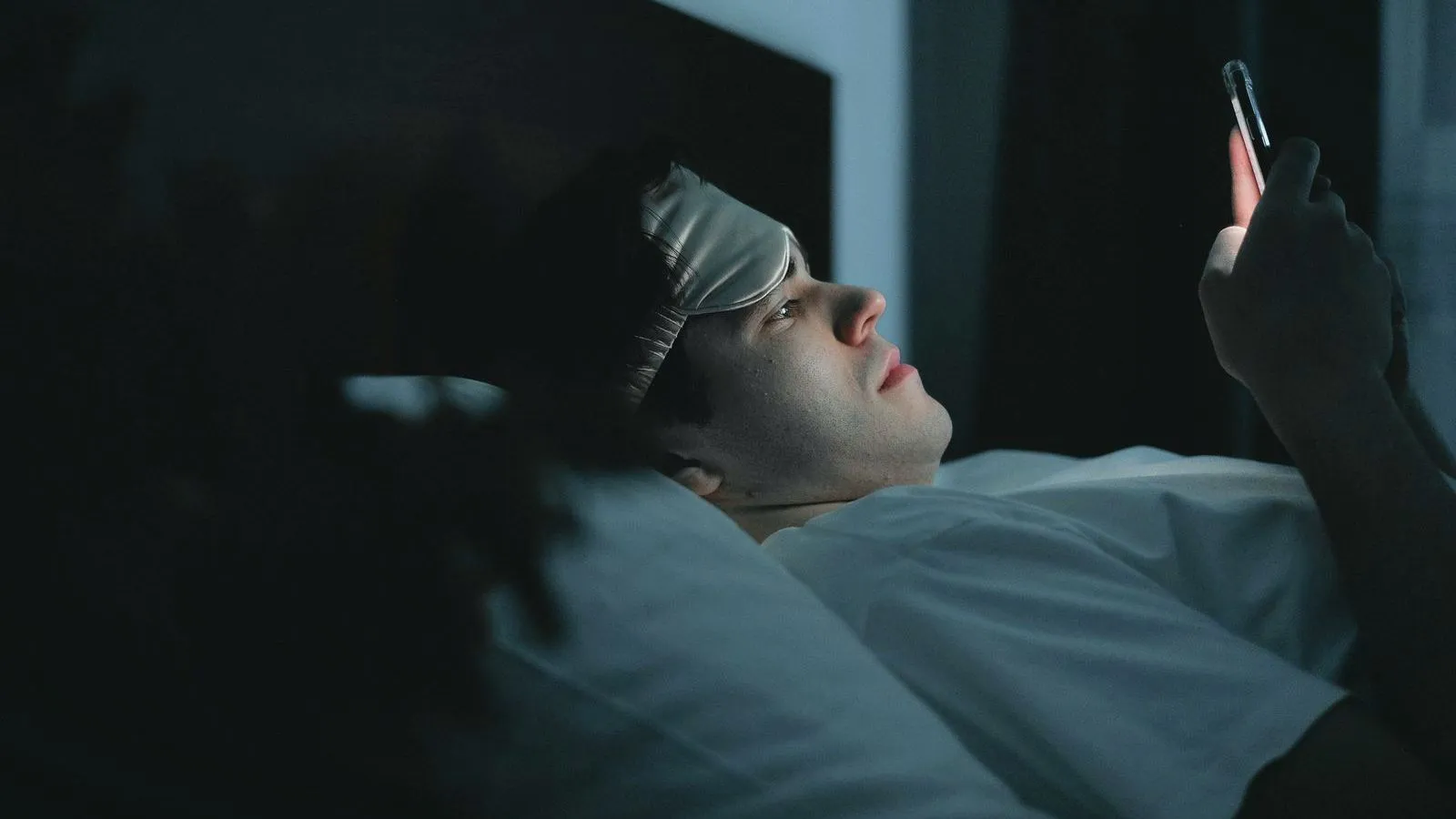
- A randomized trial in 495 working adults with self-reported sleep problems, lasting four weeks.
- Groups used bedtime stories, sleep sounds or narrated sleep-skills audio in a mental health app, or a control.
- All groups improved a little, and the audio groups by only slightly more than the control, a gap within chance.
- Mental health, wellbeing and how wound up people felt at bedtime showed the same pattern.
- Only about a third used the audio as intended, which may have limited any effect.
Falling asleep to a soothing voice reading a story, or to the sound of rain on a tin roof, is a nightly ritual for many people. Wellbeing and meditation apps carry libraries of sleep audio, and some employers offer such apps to staff. The open question is whether the audio helps people who sleep badly.
A randomized trial in the journal Sleep gave 495 working adults with disturbed sleep one of three kinds of app-based sleep audio, or a control, for four weeks. None made a meaningful difference.
Why poor sleep is worth treating
MedlinePlus describes sleep as a natural process that helps your body restore energy, supports learning and memory, and keeps you healthy. When sleep goes wrong, it notes, it can affect your physical and mental health, thinking, and daily functioning. That is why cheap, accessible tools are appealing. Proven treatments for insomnia exist but can be hard to get. An app already on someone’s phone could reach far more of those who need help, if it works.
The trial set out to test exactly that.
How the sleep audio trial was run
The researchers tested three categories of standalone, audio-based sleep interventions (Bedtime Stories, Sleep Sounds, Sleep Skills), all delivered through a workplace mental health app. The stories are read aloud, the sounds are ambient noise such as rain, and the third option offers narrated relaxation and breathing techniques.
Adults with self-reported sleep disturbances were recruited online and randomly allocated to one of the three or to a digital control within the same app. They reported their sleep before and after four weeks.
What happened to sleep
All four groups improved a little, as often happens in a study, but the audio did not add much. For sleep disturbance, the between-group effect sizes were very small, and the gaps between the audio groups and the control were within what chance would produce.
The same was true across the other measures. The same pattern was observed for sleep-related impairment, mental health, well-being, and pre-sleep arousal, the last meaning how wound up people felt at bedtime. The audio was safe and well tolerated; it just did not outperform the control.
Why a clear no on sleep audio is useful
Sleep audio sits inside apps that many people use to try to sleep better. The authors conclude that their use as standalone treatments for sleep disturbance is not supported by these findings.
That does not mean the audio is worthless. Plenty of listeners find it pleasant, and a relaxing routine at bedtime has value of its own. But for someone whose sleep is genuinely disturbed, this trial suggests an app’s audio library is not a substitute for treatment.
What a four-week app trial cannot settle
The authors are candid about why the audio might have fallen short. Engagement was low, with only about a third of participants using the audio as intended, below the level typical for digital insomnia programs. Participants were also assigned to one type of audio rather than choosing what they liked.
The inclusion rules let in participants with fairly mild sleep problems, who had little room to improve, and many participants had symptoms of anxiety or depression. Sleep was self-reported rather than measured, and the trial tested one app for four weeks, so longer use or different content might produce different results.
What this changes for sleep apps
For anyone who enjoys falling asleep to a story or to rain sounds, nothing here says to stop. For those with persistent sleep problems, the evidence points elsewhere: to cognitive behavioral therapy for insomnia, which has strong evidence, including in structured digital programs.
For employers and app makers, the study is a reminder that popularity is not efficacy. Sleep features marketed as help for poor sleep should be tested like other treatments, and this one did not pass.
People also ask
What did the study find?
For sleep disturbance, the between-group effect sizes were very small and not statistically significant, meaning within what chance would produce: 0.12 for bedtime stories, 0.14 for sleep sounds and 0.07 for sleep skills against control, with slightly greater reductions in sleep disturbance in the intervention groups. The same pattern held for sleep-related impairment, mental health, wellbeing and pre-sleep arousal.
What were the three kinds of audio?
Bedtime stories read aloud, background sleep sounds such as rain or white noise, and narrated sleep skills, such as relaxation and breathing techniques.
What was the control?
A digital condition within the same app that did not provide the sleep audio, so everyone used an app but only three groups got the sleep content.
Does this mean sleep apps are useless?
Not necessarily. They were safe, some people enjoy them, and the trial tested one app for four weeks with low use. But it does not support them as a standalone treatment for sleep problems.
What does work for insomnia?
Cognitive behavioral therapy for insomnia has the strongest evidence, including in digital versions that guide people through a structured program rather than playing audio.
Should I stop using a sleep app I like?
If it helps you relax and you enjoy it, there is no harm shown here. If your sleep problem is persistent, talk to a doctor about proven treatments. This is general information rather than medical advice.