Explainer · Brain & Mental Health
Shingles vaccine went with less dementia over four years, in 509,926 nursing-home residents
A string of studies has linked shingles vaccines to lower dementia risk. This one used Medicare records of frail older adults, found a sizable gap, and was funded by the vaccine's maker.
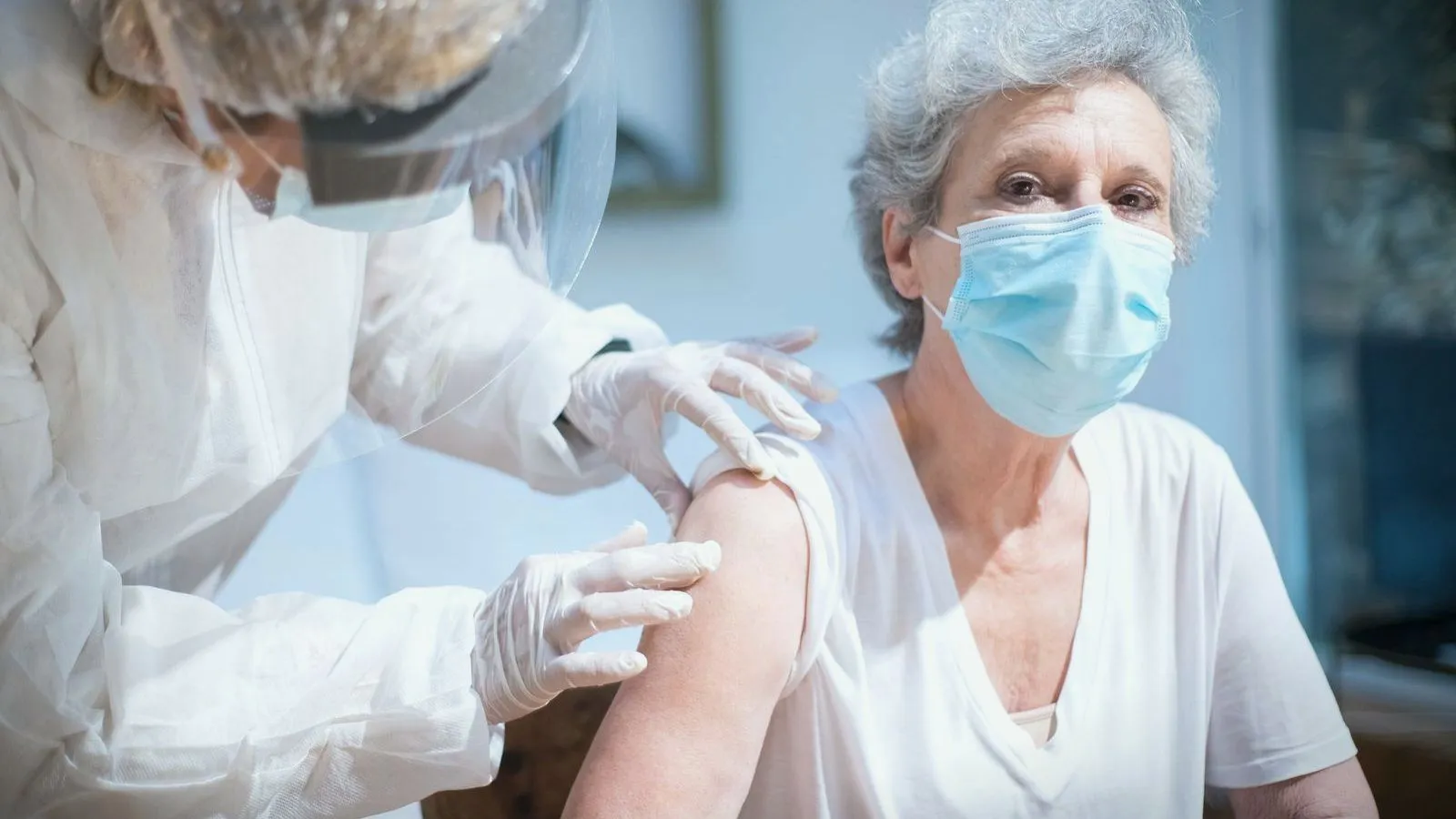
- An observational study of 509,926 US Medicare beneficiaries aged 66 or older admitted to a nursing facility from 2017 to 2022.
- None had dementia at the start; 1.73% received the recombinant shingles vaccine within 12 months.
- Over four years, 18.8% of vaccinated people were diagnosed with dementia against 24.6% of the others.
- That is 5.8 percentage points lower, or about a quarter lower in relative terms.
- The study was funded by the vaccine's manufacturer, and the authors' own checks suggest some residual bias.
The idea that a shingles vaccine might protect the brain has been building for years. It was helped along by a natural experiment in Wales, where who could get the vaccine depended on date of birth. The obvious worry is simpler: people who get vaccinated tend to be healthier and better cared for than people who do not.
A study in Annals of Internal Medicine tested the question in half a million frail older Americans, using a design meant to mimic a trial. Four-year dementia risk was 18.8% among those vaccinated against 24.6% among those not.
What shingles is and why the vaccine matters anyway
MedlinePlus explains that shingles is a disease that causes a painful rash, caused by the same virus that causes chickenpox, which stays in the body and can reactivate years later. It notes that the most common complication is postherpetic neuralgia, long-lasting nerve pain after the rash clears.
That is the reason the vaccine exists. The dementia question is separate and newer. As the authors note, observational studies report a protective association between herpes zoster (HZ) vaccination and dementia, but those studies had limitations or tested a live vaccine no longer used in the United States.
How the shingles vaccine study was designed
The researchers used Medicare claims linked to nursing home records to find beneficiaries aged 66 or older, without dementia, who entered a skilled-nursing facility between 2017 and 2022. The study cohort included 509 926 participants (mean age, 79 years).
They compared those who received at least one dose of the recombinant vaccine within 12 months against those who did not. The method, target trial emulation, sets the rules of a hypothetical trial in advance and reweights the data to mimic randomization. Follow-up ran up to four years, and 57 factors were accounted for.
What happened to dementia diagnoses
Vaccination was uncommon in this group: 8,843 people, or 1.73%, received a dose within 12 months, and 87% of those got it after discharge.
The gap in diagnoses was substantial. Receipt of RZV, the recombinant zoster vaccine, was associated with risk for dementia being 5.8 percentage points lower, with four-year risk of 18.8% among the vaccinated against 24.6% among the rest, about a quarter lower in relative terms. The association was weaker in men and in people who had previously had the older live shingles vaccine.
Why a vaccine and dementia link is worth testing properly
If a vaccine already recommended for other reasons also delayed dementia, it would be one of the cheapest preventive measures in medicine. That is why several research groups have chased the signal.
This study’s design is stronger than a simple comparison of vaccinated and unvaccinated people, and it focuses on a group at high risk of dementia. But it is still observational, and the authors are careful: their own negative control analyses suggest some residual confounding. In plain terms, some of the gap probably reflects differences between the groups rather than the vaccine.
What a vaccine records study cannot prove
People who get vaccinated after a nursing facility stay differ from those who do not. They tend to be less frail, better connected to a family doctor, and more likely to have family involved. Weighting can adjust only for what the records hold.
Dementia shows up in claims data only when someone is assessed. People who see doctors more often may be diagnosed earlier, which cuts both ways. The funding also deserves stating plainly: the primary funding source was GlaxoSmithKline, which makes the vaccine. Independent replication and, ideally, randomized evidence are what would settle this.
What this changes about getting a shingles vaccine
The case for the vaccine does not rest on dementia. Shingles is painful, the nerve pain that can follow is worse, and vaccination prevents both, which is why it is recommended from age 50 in many countries.
If a brain benefit turns out to be real, it is a bonus on top of that. Anyone deciding now should weigh the known benefits, not the possible ones, and ask their doctor about timing, especially around other vaccines and around a hospital or nursing-facility stay.
People also ask
What did the study find?
Receipt of the recombinant zoster vaccine was associated with dementia risk 5.8 percentage points lower (95% CI 3.9 to 7.5 lower; risk ratio 0.76, CI 0.69 to 0.84). Four-year dementia risk was 18.8% with at least one dose against 24.6% with none. Associations were weaker in men and in those who had previously had the older live vaccine.
What is the recombinant shingles vaccine?
A two-dose, non-live vaccine against herpes zoster, sold as Shingrix, which replaced the older live vaccine in the US. It is recommended for adults from age 50.
Why would a shingles vaccine affect dementia?
Proposed explanations include preventing reactivation of the virus and the inflammation that follows, or broader effects of vaccination on the immune system. None is proven, and this study did not test mechanisms.
Who was studied?
Older adults who had recently been admitted to a skilled-nursing facility for post-acute or long-term care, a frailer group than the general population. Most who were vaccinated received it after discharge.
How serious is the funding issue?
The study was funded by GlaxoSmithKline, which makes the vaccine. That does not make the result wrong, but it is a reason for independent replication, and the authors report their own negative control analyses suggesting some residual confounding.
Should I get the shingles vaccine?
It is recommended for adults from age 50 to prevent shingles and its painful complications, which is reason enough on its own. Any dementia benefit is unproven. Ask your doctor what applies to you. This is general information rather than medical advice.