Explainer · Nutrition & Diet
Raw milk: what the evidence says about its risks and claimed benefits as US pediatricians call for a ban
Raw milk has not been heated to kill germs. From 2013 to 2018 it was tied to 75 US outbreaks and 675 illnesses, nearly half in people under 20. Trials and reviews have not borne out most of the claims made for it.
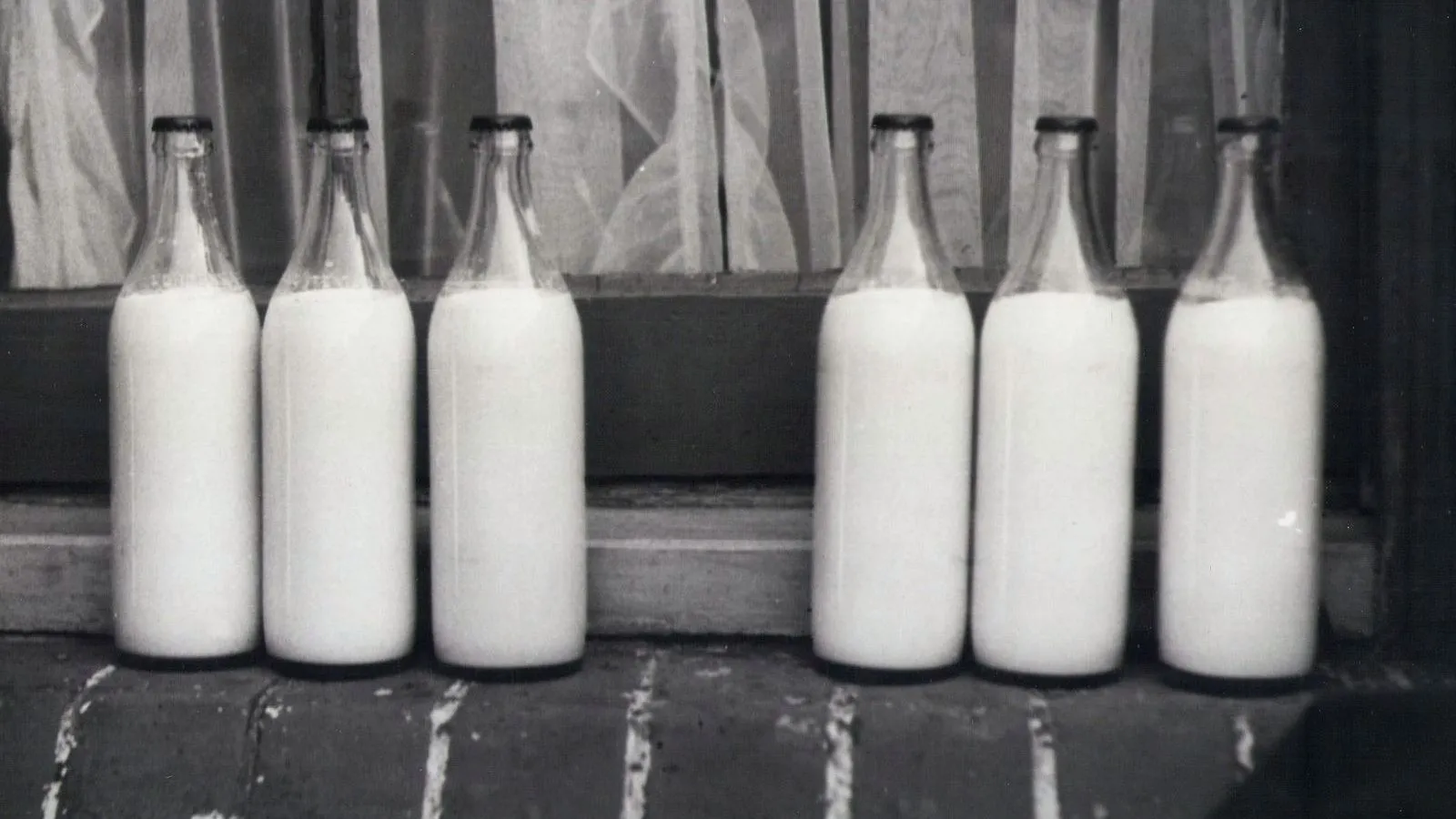
- Raw milk is milk that has not been pasteurized, the heating step that kills disease-causing germs.
- From 2013 to 2018, US raw milk outbreaks caused 675 recorded illnesses, 98 hospital stays and two deaths.
- About 3% of Americans drink raw milk, yet raw milk and cheese account for most dairy outbreak illness.
- A trial found raw milk did not ease lactose intolerance, and pasteurization costs milk little nutritionally.
- Recorded outbreaks undercount illness, and nobody knows precisely how many people now drink raw milk.
On October 5, the American Academy of Pediatrics published a policy statement on raw milk, and news reports in the days since have summed it up as a call for a ban. The statement lands at a time when raw milk is selling more and drawing more attention. The Guardian reported on October 11 that in 2024, raw milk sales increased by 17.6%, according to the market research firm Circana.
The argument over raw milk is often conducted in slogans, and the evidence behind it is more specific. Raw milk causes a small number of recorded illnesses in absolute terms. Those illnesses fall on a small group of drinkers, many of them children, at a rate far above that for pasteurized milk. And the health claims that draw people to it have mostly been tested and not borne out.
What is raw milk?
Raw milk is milk that has not been pasteurized to kill harmful germs, in the words of the US Food and Drug Administration (FDA).
Pasteurization is the step it skips. Pasteurization is a widely used process that kills harmful germs by heating milk to a specific temperature for a set period of time. The usual commercial method in the United States holds milk at 72 degrees Celsius for 15 seconds. First developed by Louis Pasteur in 1864, pasteurization kills harmful organisms responsible for such diseases as listeriosis, typhoid fever, tuberculosis, diphtheria, Q fever, and brucellosis.
The pediatricians’ statement lists the main germs involved. Unpasteurized milk and milk products from cows, goats, and sheep continue to be a source of infections attributable to several virulent pathogens, including Listeria monocytogenes, Campylobacter jejuni, Salmonella species, Brucella species, and Escherichia coli O157. A pathogen is a germ that causes disease, and virulent means able to cause severe disease.
The law is a patchwork. In 1987, the FDA banned the interstate sale and distribution of raw milk, but businesses were still allowed to sell it within their states, depending on their laws. According to the statement, sales of unpasteurized (raw) milk and milk products remain legal in at least 27 US states.
Why pediatricians are calling for a raw milk ban now
The academy’s position is not new. One of the statement’s authors, Adam Ratner, told the medical news site Healio that the group has formally advised against raw dairy for more than a decade. What has changed, in Ratner’s account, is the conversation around it. With a “large amount of online misinformation about purported benefits of consumption of unpasteurized milk, this is an important time to remind families that children should not consume unpasteurized dairy products,” Ratner said.
The statement goes beyond advice to families. Healio reported that the academy endorsed a ban on raw milk products in the United States, urging pediatricians to contact local politicians to support a ban and to lobby public health officials for more restrictions.
Recent outbreaks are part of the background. Healio cited one in June in which at least 45 people in Idaho tested positive for campylobacteriosis caused by drinking raw milk. Campylobacteriosis is a gut infection that causes diarrhea, cramps and fever.
One thing the statement’s author did not claim is that more people are drinking raw milk. Ratner conceded that it is unclear whether people are consuming more unpasteurized dairy products today than 5 or 10 years ago.
Producers see it differently. The Guardian spoke to a Virginia dairy farmer, Ben Beichler, who sells raw milk legally and tests every batch. Beichler told the paper that since 2020 sales have increased between 30% and 50% annually. The same report summed up the industry’s case: raw milk producers say that pasteurization eliminates flavor and health benefits.
How often raw milk makes people sick
The best national record comes from the Centers for Disease Control and Prevention (CDC), which collects reports of foodborne outbreaks from health departments. An outbreak is two or more illnesses traced to the same source.
The FDA summarizes the long-run total this way: from 1998 through 2018, there were 202 outbreaks linked to drinking raw milk. These outbreaks caused 2,645 illnesses and 228 hospitalizations. The CDC analysis behind those figures also recorded three deaths.
The pediatricians’ statement leans on the most recent six years of that record. As Healio reported it, consumption of raw, unpasteurized milk led to 75 outbreaks consisting of 675 illnesses, 98 hospitalizations and two deaths in the U.S. from 2013 to 2018.
Those are not large numbers for a country of more than 300 million people. Two things make them more serious than they look.
The first is that outbreak counts capture only part of the illness. The FDA notes that CDC points out that most foodborne illnesses are not a part of recognized outbreaks, and for every illness reported, many others occur.
The second is how few people the illnesses are drawn from. A modeling study of outbreaks from 2009 to 2014 estimated that outbreaks associated with dairy consumption cause, on average, 760 illnesses/year and 22 hospitalizations/year in the United States. Nearly all of it traced to the unpasteurized minority. Unpasteurized milk, consumed by only 3.2% of the population, and cheese, consumed by only 1.6% of the population, caused 96% of illnesses caused by contaminated dairy products. That model counts unpasteurized cheese as well as milk, over different years, so its totals are not comparable with the outbreak counts above. From that, the authors calculated that raw dairy caused about 840 times as many illnesses, and 45 times as many hospitalizations, per consumer as pasteurized dairy. Those multiples come from a statistical model and carry wide margins.
Pasteurized milk is not risk-free. The CDC analysis recorded 9 outbreaks and 2,133 illnesses linked to pasteurized milk over the same 21 years. The difference is that almost everyone drinks pasteurized milk and very few people drink raw.
Outbreaks also track the law. The CDC team compared states. Places that allowed raw milk sales had about 3.2 times as many outbreaks as places that banned them, with a plausible range from 1.4 to 7.6. Of 74 outbreaks confined to one state from 2013 to 2018, 58 happened in states where sale was legal.
Who is most at risk from raw milk
Children carry a disproportionate share. In the six-year record the statement cites, 48% of those illnesses were in people aged younger than 20 years, and 14% occurred in children aged younger than 5 years.
“Children are at particular risk in these outbreaks,” Ratner said, “and the infections acquired from unpasteurized milk can lead to severe disease and death.”
An infectious disease specialist at Stanford University who was not involved in the statement, Brian Dawes, gave the Guardian the reason. Raw milk is especially dangerous for children, Dawes said, because “they have weaker immune systems, less overall physiological reserves, so when they get these infections, they tend to get much sicker”.
The danger is not always over when the diarrhea stops. The CDC team noted that these infections can have long-term consequences, such as kidney failure, which can follow some E. coli infections.
Pregnancy is the other period of particular concern, because of Listeria. The FDA describes it as a germ which is often found in raw milk and can cause miscarriage, or illness, or death of the newborn baby. The statement names the full list of those at risk. These infections can occur in both healthy and immunocompromised individuals, including older adults, infants, young children, and pregnant people and their fetuses, potentially resulting in life-threatening illness and fetal miscarriage. Immunocompromised means having a weakened immune system.
For that reason the academy’s advice extends past small children. In addition to infants and young children, the statement also emphasized that pregnant people, breastfeeding parents, adolescents and young adults also should consume only pasteurized milk and milk products.
Healthy adults are not exempt, though their odds are better. A biologist at Washington University, Petra Levin, put it to the Guardian in terms of probability. “I’m concerned about people consuming raw milk because while it isn’t a guarantee that you will get sick from it, there is a relatively high likelihood that you can get a pathogen, a bacteria that will make you sick,” Levin said.
Do the health claims for raw milk hold up?
Three claims come up most often. Each has been examined.
Lactose intolerance. The claim is that raw milk is easier to digest for people who cannot break down lactose, the sugar in milk. Researchers at Stanford tested it directly. The team performed a crossover trial involving 16 adults with self-reported lactose intolerance, each of whom had the diagnosis confirmed by a breath test. Crossover means that every participant tried each kind of milk in turn: raw, pasteurized and soy. The result was clear. Raw milk failed to reduce lactose malabsorption or lactose intolerance symptoms compared with pasteurized milk among adults positive for lactose malabsorption. The authors concluded that these results do not support widespread anecdotal claims that raw milk reduces the symptoms of lactose intolerance. It was a small pilot trial.
Nutrition. The claim is that heating destroys vitamins. A systematic review pooled the research. Forty studies assessing the effects of pasteurization on vitamin levels were found. Some vitamins did fall after pasteurization, among them B1, B2, C and folate. But milk is not a major source of most of them. The effect of pasteurization on milk’s nutritive value was minimal because many of these vitamins are naturally found in relatively low levels. The reviewers flagged one exception for further study. Milk is an important dietary source of vitamin B2, and the impact of heat treatment should be further considered. The pediatricians’ statement reaches the same overall judgment. Substantial data suggest that pasteurized milk confers equivalent health benefits compared with unpasteurized milk, without the additional risk of infection.
Asthma and allergy. This is the claim with the most behind it, and the most easily misread. Children raised on farms have less asthma and hay fever, and several studies have tied part of that to drinking unprocessed farm milk in early childhood. A 2020 review found 12 publications on 8 pertinent studies. Pooled, they showed roughly 40% lower odds of asthma in children who drank raw farm milk early in life.
Two cautions apply. These are observational studies of families who differ in many ways from city families, and the vitamin review warned that this relationship may be potentially confounded by other farming-related factors. Confounded means explained by something else that travels with the milk. And the scientists who found the signal do not recommend acting on it. Because of the minimal but real risk of life-threatening infections, however, consumption of raw milk and products thereof is strongly discouraged, they wrote. Their response has been to run a trial of a milk that is processed gently enough to keep heat-sensitive components but treated to be free of germs. It is testing microbiologically safe, minimally processed cow’s milk against standard ultra-heat-treated milk in children from 6 months to 3 years.
The academy’s verdict on the claims as a group is blunt. These purported benefits have no evidence base and do not outweigh the risks of unpasteurized milk consumption. On lactose and nutrition the evidence supports that. On asthma, a fairer summary is that a real observation exists and its own discoverers say raw milk is the wrong way to pursue it.
Raw milk and bird flu
Since 2024 there has been a new reason for attention. The H5N1 bird flu virus spread into US dairy herds, and it concentrates in milk. Researchers reported that viable virus was detected at high levels in raw milk from infected cows. They tested 275 samples from the bulk storage tanks of farms in four affected states. Viral genetic material turned up in 158 of them, and 39 of those contained virus capable of infecting.
Pasteurization dealt with it. When the same team ran contaminated milk through a pilot version of a commercial pasteurizer at the standard 72 degrees for 15 seconds, no viable virus was detected.
Raw milk has no such step. The statement, as quoted by Healio, says that “Unpasteurized milk from infected cows can harbor [H5N1] virus for up to 5 weeks when refrigerated”. Healio noted one suspected human case, from 2024. In California that year, a child suspected of having H5N1 had consumed raw milk before experiencing symptoms, officials said.
Raw-milk cheese is a separate question. A study in Nature Medicine made cheese from contaminated raw milk and found infectious virus persisting through the cheese-making process and up to 120 days of aging in cheeses made with raw milk at the less acidic end of the range. Ferrets fed the contaminated milk became infected, and ferrets fed the cheese did not, in groups of four animals.
What the raw milk evidence cannot show
The true number of illnesses. Outbreak records count clusters that someone noticed, investigated and reported. Single cases and mild ones mostly go uncounted, so the totals are a floor.
The number of drinkers. Every estimate of risk per drinker depends on knowing how many people drink raw milk. The 3.2% figure dates from a study of 2009 to 2014, and the statement’s own author says current consumption is unclear.
Bird flu in people. How readily drinking contaminated raw milk infects people with H5N1 is not known. The evidence cited here comes from animals and from the virus’s survival in the laboratory.
Whether an illness that follows drinking raw milk needs testing or treatment is assessed by their doctor.
On the evidence, raw milk is a food whose risks are measurable and fall hardest on children, and whose promised benefits have, with the unresolved exception of asthma, failed when tested.
People also ask
What is raw milk?
Milk from cows, goats, sheep or other animals that has not been pasteurized. Pasteurization heats milk to a set temperature for a set time to kill germs such as Salmonella, Listeria, Campylobacter and dangerous strains of E. coli.
How risky is raw milk?
Most people who drink it do not get sick on any given occasion. But between 1998 and 2018, US health departments recorded 202 raw milk outbreaks with 2,645 illnesses and 228 hospitalizations, and one estimate put the risk of illness hundreds of times higher than for pasteurized dairy.
Does raw milk help with lactose intolerance?
A randomized trial tested this in 16 adults with confirmed lactose malabsorption. Raw milk did not reduce symptoms or improve lactose digestion compared with pasteurized milk. Both contain the same lactose.
Is raw milk more nutritious?
Not meaningfully. A pooled analysis of 40 studies found that pasteurization lowers some vitamins slightly, and concluded the effect on milk's nutritional value was minimal because milk holds little of those vitamins to begin with.
Does raw milk protect children from asthma and allergies?
Children who drink unprocessed farm milk early in life do have less asthma in observational studies. The researchers behind that work still discourage raw milk because of infection risk. Whether an illness after drinking raw milk needs treatment is assessed by their doctor. This is general information rather than medical advice.
References
- Ratner, A. J., Sardi, A., Corkins, M. R., et al. Consumption of Unpasteurized (Raw) Milk and Milk Products by Pregnant People and Children: Policy Statement. Pediatrics, 2026.
- Stitt, A. Pediatricians endorse ban on raw milk products. Healio, 2026.
- Berger, E. Physicians' group calls for ban on raw milk as it's becoming increasingly popular in the US. The Guardian, 2026.
- U.S. Food and Drug Administration. The Dangers of Raw Milk: Unpasteurized Milk Can Pose a Serious Health Risk. 2024.
- Koski, L., Kisselburgh, H., Landsman, L., et al. Foodborne illness outbreaks linked to unpasteurised milk and relationship to changes in state laws, United States, 1998-2018. Epidemiology and Infection, 2022.
- Costard, S., Espejo, L., Groenendaal, H., Zagmutt, F. J. Outbreak-Related Disease Burden Associated with Consumption of Unpasteurized Cow's Milk and Cheese, United States, 2009-2014. Emerging Infectious Diseases, 2017.
- Macdonald, L. E., Brett, J., Kelton, D., et al. A Systematic Review and Meta-Analysis of the Effects of Pasteurization on Milk Vitamins, and Evidence for Raw Milk Consumption and Other Health-Related Outcomes. Journal of Food Protection, 2011.
- Mummah, S., Oelrich, B., Hope, J., Vu, Q., Gardner, C. D. Effect of Raw Milk on Lactose Intolerance: A Randomized Controlled Pilot Study. Annals of Family Medicine, 2014.
- Brick, T., Hettinga, K., Kirchner, B., Pfaffl, M. W., Ege, M. J. The Beneficial Effect of Farm Milk Consumption on Asthma, Allergies, and Infections: From Meta-Analysis of Evidence to Clinical Trial. Journal of Allergy and Clinical Immunology: In Practice, 2020.
- Spackman, E., Anderson, N., Walker, S., et al. Inactivation of Highly Pathogenic Avian Influenza Virus with High-temperature Short Time Continuous Flow Pasteurization and Virus Detection in Bulk Milk Tanks. Journal of Food Protection, 2024.
- Nooruzzaman, M., de Oliveira, P. S. B., Butt, S. L., et al. H5N1 influenza virus stability and transmission risk in raw milk and cheese. Nature Medicine, 2025.