News · Nutrition & Diet
What coffee does to your gut and mood, beyond the caffeine
Irish researchers compared 31 coffee drinkers with 31 non-drinkers, then tracked what changed when people took up caffeinated or decaf coffee. Both shifted the gut microbiome. Decaf was linked to better memory, caffeine to sharper focus.
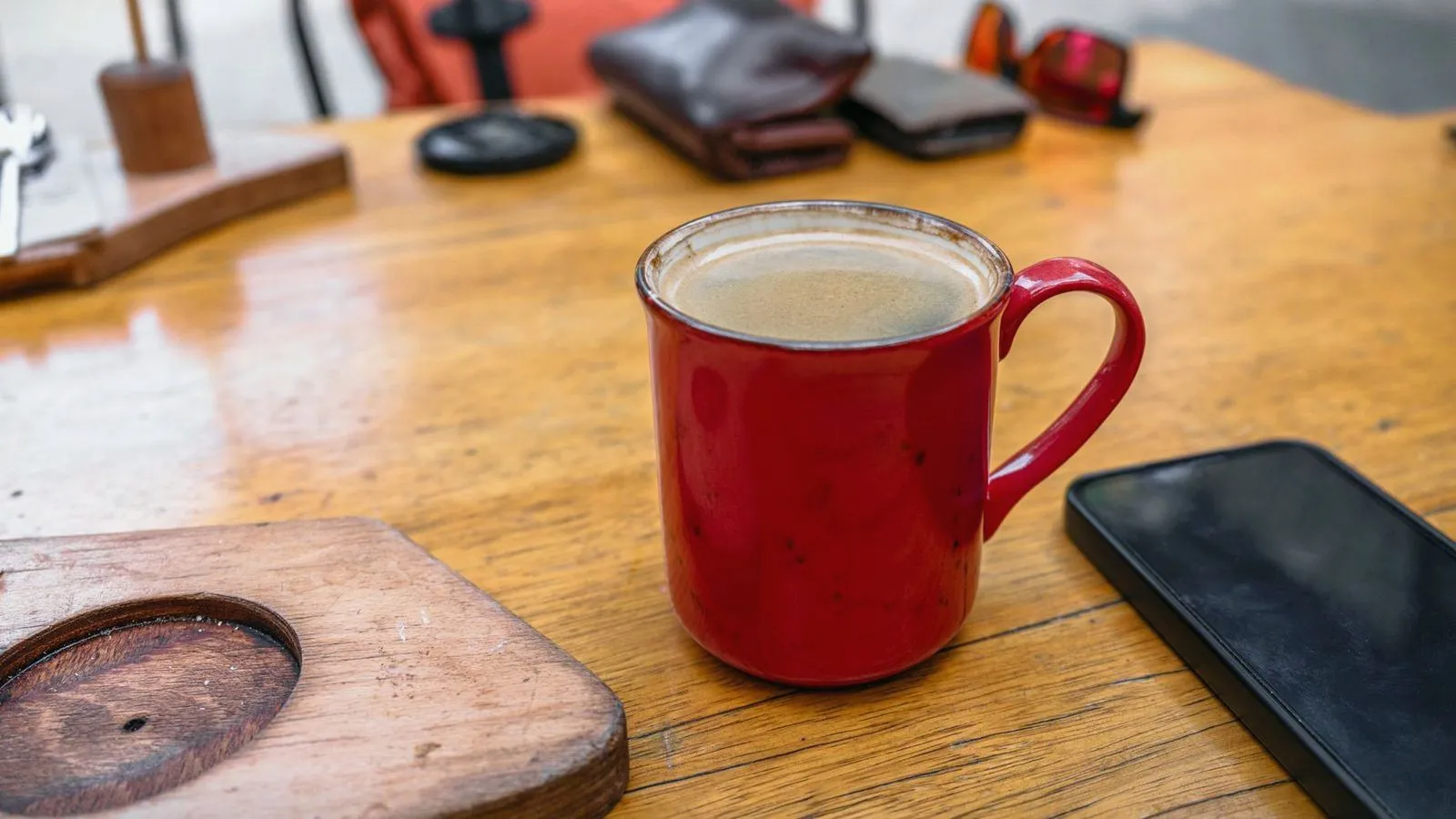
- 31 regular coffee drinkers compared with 31 non-drinkers, then tracked as they took up coffee.
- Both caffeinated and decaf shifted the gut microbiome, so it is not only the caffeine.
- Learning and memory improvements showed up only in the decaf group.
- Only the caffeine group had less anxiety alongside better attention and alertness.
- About 31 people per group, so this shows associations rather than proof.
Reach for a decaf and it is tempting to treat it as coffee with the point removed, all warmth and no work. A study from Ireland suggests that is the wrong way to see it. The researchers set out to test how coffee changes the gut and the brain, and whether those effects occur independently of caffeine.
The work came from APC Microbiome Ireland, based at University College Cork, and it was published in Nature Communications. As the study’s lead researcher has put it, “the mechanisms behind coffee’s effects on this gut-brain axis have remained unclear.” Your gut and your brain stay in constant two-way contact, and the microbes in your intestines are part of that conversation.
The part caffeine cannot explain
Coffee is an intricate mixture of more than a thousand chemicals, and caffeine is only one of them. So the team teased the two apart. When people who had quit coffee started again, bringing it back triggered acute microbiome changes, even without the caffeine. The coffee itself was doing the work, whatever the caffeine added.
The regular coffee drinkers already looked different inside. They showed an increased relative abundance of a couple of gut bacteria, along with lower levels of a few helpful compounds. The overall pattern lined up with how much coffee a person drank, a close association between coffee intake and the gut.
Caffeinated and decaf, two kinds of lift
Here is where decaf earned its keep. When the two drinks were compared, the improvements in learning and memory were only seen in participants who drank decaffeinated coffee. The caffeine drinkers got a different reward: they were the ones who felt calmer, with better attention and alertness.
Mood lifted either way. Both groups reported improvements in mood, including lower levels of stress. That points to something the caffeine-first story misses, that coffee can enhance mood even without caffeine. Coffee, in the lead researcher’s words, is “a complex dietary factor that interacts with our gut microbes, our metabolism, and even our emotional well-being.”
What the coffee and microbiome data cannot show
The reasons for caution are easy to name. This was a small study: 31 regular coffee drinkers set against 31 people who do not drink coffee. With groups that size, the results are associations, not proof, and everyone taking part was a healthy adult, watched over a short window.
There is also the chicken-and-egg problem that shadows this kind of research. People who love coffee may differ from people who avoid it in ways no study can fully separate. A snapshot can show the two groups are not the same; it cannot promise the coffee is why.
What it means for your cup
The honest takeaway is smaller than a headline but more useful. Decaf is not a placebo. It moves the gut in its own right, and here it was the version tied to better memory, while caffeine did more for focus and calm. Broadly, the cumulative research on coffee points in the direction of a health benefit, and nothing here argues for overhauling a habit that already suits you.
If caffeinated coffee makes you feel good, carry on. If caffeine leaves you wired or awake at midnight, this is a small reason to believe decaf is still worth something in the cup, not just doing an impression of the real thing.
People also ask
Does decaf coffee actually do anything?
This study suggests it does. Both caffeinated and decaffeinated coffee shifted the gut microbiome, and reintroducing coffee changed gut microbes even without caffeine. The improvements in learning and memory actually showed up only in the decaffeinated group.
How many people were in the study?
Sixty-two adults: 31 regular coffee drinkers and 31 people who do not drink coffee. That is a small sample, so the results point to associations rather than proof.
What was the difference between caffeinated and decaf?
Decaffeinated coffee was linked to better learning and memory. Caffeinated coffee was linked to reduced anxiety with better attention and alertness. Both groups reported improvements in mood.
Does this mean coffee is good for my brain?
Not exactly. It was a small, short study in healthy adults that shows links, not cause and effect. It suggests coffee interacts with gut microbes in ways that go beyond caffeine, but it cannot tell any one person what coffee will do for them.