Explainer · Longevity & Aging
Uterine fibroids explained: who gets them, what symptoms they cause and what trials show about treatment
Fibroids are benign growths in the wall of the uterus that most women develop by 50, usually without knowing. For those with heavy bleeding or pain, pills, a blood-vessel procedure and two kinds of surgery have each been tested in randomized trials.
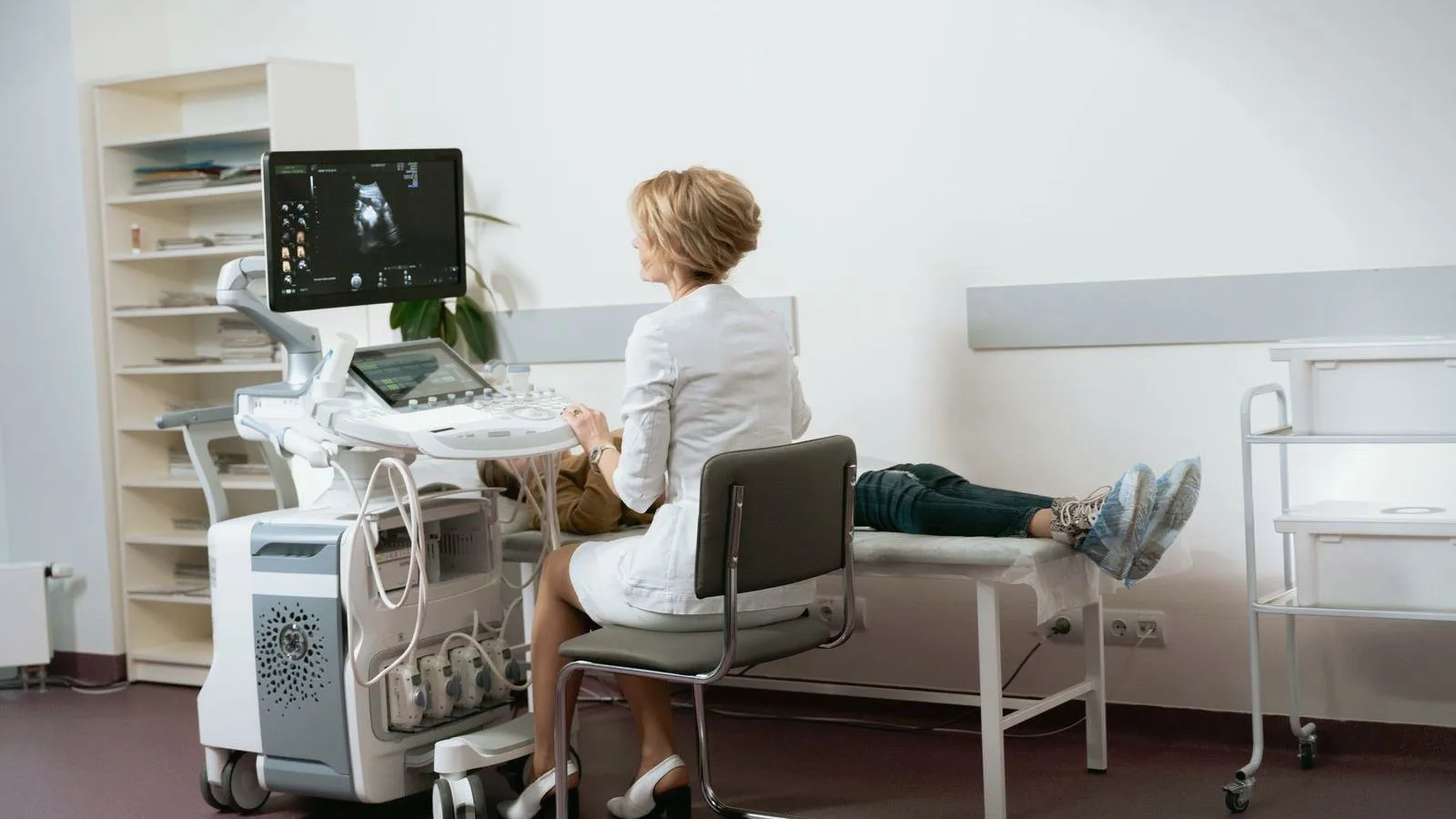
- A US screening study estimated that by age 50 more than 80% of Black and nearly 70% of White women had fibroids.
- Only about 25% to 30% of women with fibroids report symptoms, most often heavy periods and pelvic pain.
- A daily pill combination controlled heavy bleeding in about 7 in 10 women in two trials, against under 2 in 10 on placebo.
- About a third of women treated by blocking the fibroid's blood supply had a hysterectomy within 10 years.
- Fibroids are not cancer, and what makes some grow and cause symptoms while most stay silent is not well understood.
Most women will have fibroids at some point, on the best American estimates, and most of them will never find out. The growths are common enough that when researchers scanned women who had never been diagnosed, they found fibroids in half of them.
For a minority the picture is different. Fibroids are the leading reason women have their uterus removed, and a frequent cause of heavy periods, pain and fertility problems. The treatments on offer range from a daily pill to major surgery, and unusually for a common condition, several of them have been compared head to head in randomized trials.
This explainer covers what fibroids are, who gets them, and what those trials found.
What uterine fibroids are
A fibroid is a benign growth, meaning not cancerous, that forms in the muscular wall of the uterus. Doctors call it a leiomyoma. A review in Endocrine Reviews describes them as the most common pelvic tumors among women of reproductive age. Tumor here means only a lump of tissue.
They vary a great deal. Uterine fibroids are heterogeneous in composition and size among women and within the same individual, and vary in number between individuals, the review notes.
They depend on hormones. Fibroids grow during the reproductive years under the influence of estrogen and progesterone, and they tend to shrink after menopause. These tumors have not been detected in prepubertal girls, and only sporadic cases have been reported in adolescents.
How common fibroids are
The answer depends on how hard anyone looks. A systematic review that gathered 60 publications found prevalence estimates running from 4.5% to 68.6%, depending on study populations and diagnostic methods. Studies that count only diagnosed cases find few. Studies that scan everyone find many.
The clearest figures come from a study that did scan everyone. Researchers at the National Institutes of Health recruited randomly selected members of an urban health plan who were 35 to 49 years old and examined them by ultrasound, whatever their symptoms. Thirty-five percent of premenopausal women had a previous diagnosis of fibroid tumors. Fifty-one percent of the premenopausal women who had no previous diagnosis had ultrasound evidence of fibroid tumors.
From those results the team projected forward. The estimated cumulative incidence of tumors by age 50 was >80% for black women and nearly 70% for white women. Cumulative incidence means the share who have developed the condition by a given age. Donna Day Baird and co-authors concluded that “most black and white women in the United States develop uterine fibroid tumors before menopause”.
Most of those fibroids cause no trouble. Among women who have them, approximately only 25% to 30% of women report the clinical symptoms of uterine fibroids, according to the Endocrine Reviews article.
Who is more likely to develop fibroids
Race is the strongest known factor. In the 2017 systematic review, Black race was the only factor that was recurrently reported to increase risk, with rates two to three times those in White women. Other factors, including age and weight, turned up less consistently. In the screening study, fibroids also developed at younger ages in Black women.
Why is not settled. The review states that the etiology of the increased incidence of uterine fibroids in African American women has not been fully elucidated, etiology meaning cause. It discusses hormone levels, genes, vitamin D and the bodily effects of chronic stress and discrimination as possibilities, none of them established.
Age matters for everyone, up to a point. Increasing age is a significant risk factor for uterine fibroids, especially among women at the premenopausal stage and those 40 and older. After menopause, when hormone levels fall, fibroids usually stop growing.
Body weight is linked too. Several studies have found obesity as a significant risk factor for uterine fibroids development, which the review attributes to the hormones that fat tissue produces.
Some things go with lower risk. Main epidemiological studies demonstrated an inverse association between parity and uterine fibroids, parity being the number of times a woman has given birth. The systematic review lists use of oral contraceptives or the injectable contraceptive depot medroxyprogesterone acetate among factors associated with lower risk.
All of these are associations from observational studies. The review itself cautions that such results may occur due to random errors, biases, or confounding.
What symptoms fibroids cause
When fibroids cause symptoms, bleeding leads the list. A trial report in the New England Journal of Medicine sums up the typical problems: fibroids are associated with heavy menstrual bleeding, abdominal discomfort, subfertility, and a reduced quality of life. Subfertility means taking longer than usual to conceive. Heavy periods can in turn lead to anemia, a shortage of red blood cells, which the drug trials described below tracked as an outcome.
Reproduction can be affected. The review lists gynecologic and reproductive dysfunction, ranging from menorrhagia and pelvic pain to infertility, recurrent miscarriage, and preterm labor. Menorrhagia is the medical word for heavy periods. How far a fibroid disturbs the lining of the uterus is associated with its location and size, the review notes.
The burden adds up. In the United States, the annual health care costs associated with uterine fibroids have been estimated at about $34 billion, the review reports.
Can fibroids turn into cancer?
Fibroids are benign, and the cancer that resembles them is rare. Uterine leiomyosarcoma is a rare, aggressive, malignant tumor, which originates from the smooth muscle layer in the uterus. The Endocrine Reviews article puts its frequency at about 6 in every 1 million women a year. Fibroids, by contrast, develop in most women.
The two appear to be mostly separate diseases. Genetic studies have demonstrated that uterine leiomyosarcomas arise de novo and may be unrelated to benign fibroids, de novo meaning from scratch. The review adds that a rare subset of fibroids with particular genetic features may be an exception, a question that is still open.
The two can be confused, because the cancer shares many common clinical grounds with uterine fibroids, in the review’s words.
How fibroids are treated: what the trials show
The treatments below are for fibroids that cause symptoms. The choices fall into four groups.
| Treatment | What it involves | Main trial result | Main trade-off |
|---|---|---|---|
| Hormone-based pills | A daily tablet that lowers the hormones fibroids depend on | Bleeding controlled in about 7 in 10 women against fewer than 2 in 10 on placebo | Fibroids did not shrink; trials lasted 24 weeks |
| Embolization | The arteries feeding the fibroids are blocked | Quality of life similar to hysterectomy at 10 years | About a third later had a hysterectomy |
| Myomectomy | Surgery to cut out the fibroids and keep the uterus | Better quality of life than embolization at 2 years | Complications in 29% |
| Hysterectomy | Surgery to remove the uterus | Quality of life at 10 years similar to embolization; 87% content with treatment | Ends the possibility of pregnancy |
Hysterectomy is the one treatment that settles the matter. The American College of Obstetricians and Gynecologists (ACOG) notes that fibroids are the leading reason for the operation, which is a definitive and effective surgical treatment for leiomyoma. It adds that many patients benefit from and seek out management options other than hysterectomy because they desire future childbearing or wish to retain their uterus.
Medicines. The newest drugs are tablets that switch off the signal telling the ovaries to make estrogen and progesterone, combined with a small dose of those hormones to protect the bones. One such combination, built on a drug called relugolix, was tested in two replicate international, double-blind, 24-week, phase 3 trials involving women with fibroid-associated heavy menstrual bleeding. Replicate means the same trial run twice, and phase 3 is the last stage of testing before a drug can be approved. Double-blind means neither the women nor their doctors knew who was taking the drug and who was taking a placebo, a dummy pill.
About 770 women took part. Bleeding came under control in 73% and 71% of those on the combination in the two trials, as compared with 19% and 15%, respectively, of those in the placebo groups. Pain and anemia improved as well.
Several caveats apply. The drug eased symptoms without shrinking the growths: uterine volume fell, but not fibroid volume. And the comparison ran for only 24 weeks. The trials also included a group given relugolix without the added hormones. Bone mineral density was similar with relugolix combination therapy and placebo but decreased with relugolix monotherapy, the drug taken on its own. The trials were funded by the manufacturer.
Embolization. In uterine artery embolization, the arteries that supply the fibroids are deliberately blocked. Since 1995 uterine artery embolization has been described as an alternative for hysterectomy.
A Dutch trial compared it with hysterectomy and followed the women for a decade. In all, 28 Dutch hospitals recruited patients with symptomatic uterine fibroids who were eligible for hysterectomy. Half were assigned to each treatment.
Embolization spared most women an operation, but not all. Ten years on, repeat procedures for persisting symptoms had brought the number who ended up with a hysterectomy to a total of 28 of 81 (35%). Among those who answered the final questionnaire, well-being was the same either way. After 10 years, generic health-related quality of life remained stable, without differences between both groups. Most were content with the treatment they received: 78% of the uterine artery embolization group vs 87% in the hysterectomy group.
Myomectomy. A myomectomy removes the fibroids and leaves the uterus. For women who wish to preserve their uterus and who have not had a response to medical treatment, myomectomy and uterine-artery embolization are therapeutic options, the authors of a British trial wrote.
A British trial set it against embolization. A total of 254 women, recruited at 29 hospitals in the United Kingdom, were randomly assigned to one or the other. Two years later the women answered a questionnaire scored from 0 to 100, with higher scores meaning better quality of life. The averages were 84.6 after myomectomy and 80.0 after embolization. The authors concluded that those who underwent myomectomy had a better fibroid-related quality of life at 2 years than those who underwent uterine-artery embolization.
The gap was modest, and both groups improved a great deal. Complications were common with either. They occurred in 29% of the women in the myomectomy group and in 24% of the women in the uterine-artery embolization group.
Which treatment suits a particular woman depends on her symptoms, the size and position of the fibroids, her age and whether she wants a future pregnancy, which is assessed by her doctor.
What is not known about fibroids
For so common a condition, the gaps are large.
Why some fibroids cause trouble and most do not is unexplained. The review notes that many tumors are asymptomatic or slightly symptomatic and therefore remain undiagnosed, which also means that most research is done on the minority that reach a clinic.
The causes are only partly mapped. The 2017 systematic review ended by calling for better studies. “High-quality prospective observational data are needed to improve our understanding,” its authors wrote. The Endocrine Reviews authors add that data from uterine fibroid research in underrepresented groups are lacking.
Prevention is unexplored territory. The risk factors identified so far come from observational studies, which cannot show that changing any of them would stop fibroids from forming.
The treatment trials answer narrow questions. The drug trials lasted six months, in a condition that can last decades. The British surgical trial measured quality of life as its main outcome, not pregnancy.
Fibroids develop in most women by age 50 and cause symptoms in a minority, and for that minority randomized trials show that pills, embolization, myomectomy and hysterectomy all relieve symptoms, with trade-offs in durability, complications and fertility that differ from one option to the next.
People also ask
What are uterine fibroids?
Benign growths of muscle and fibrous tissue in the wall of the uterus. The medical name is leiomyoma. They vary in size from one woman to another, and a woman may have one or many.
How common are they?
Very. In a US study that scanned women aged 35 to 49 whether or not they had symptoms, the estimated share who had developed fibroids by age 50 was more than 80% for Black women and nearly 70% for White women.
Do fibroids always cause symptoms?
No. A review estimates that only about 25% to 30% of women with fibroids report symptoms. When symptoms occur they include heavy menstrual bleeding, pelvic pain and pressure, and in some women difficulty conceiving or carrying a pregnancy.
Are fibroids cancer?
No. They are benign. A rare cancer of the uterine muscle, leiomyosarcoma, is diagnosed in about 6 of every 1,000,000 women a year, and genetic studies suggest it mostly arises on its own and not from fibroids.
What are the treatment options?
They include hormone-based medicines, a procedure that blocks the blood supply to the fibroids, surgery to remove the fibroids alone, and removal of the uterus. Which is suitable depends on symptoms, the size and position of the fibroids and plans for pregnancy, which is assessed by a woman's doctor. This is general information rather than medical advice.
References
- Yang, Q., Ciebiera, M., Bariani, M. V., et al. Comprehensive Review of Uterine Fibroids: Developmental Origin, Pathogenesis, and Treatment. Endocrine Reviews, 2022.
- Baird, D. D., Dunson, D. B., Hill, M. C., et al. High cumulative incidence of uterine leiomyoma in black and white women: Ultrasound evidence. American Journal of Obstetrics and Gynecology, 2003.
- Stewart, E. A., Cookson, C. L., Gandolfo, R. A., Schulze-Rath, R. Epidemiology of uterine fibroids: a systematic review. BJOG, 2017.
- American College of Obstetricians and Gynecologists. Management of Symptomatic Uterine Leiomyomas: ACOG Practice Bulletin, Number 228. Obstetrics and Gynecology, 2021.
- Al-Hendy, A., Lukes, A. S., Poindexter, A. N., et al. Treatment of Uterine Fibroid Symptoms with Relugolix Combination Therapy. New England Journal of Medicine, 2021.
- Manyonda, I., Belli, A.-M., Lumsden, M.-A., et al. Uterine-Artery Embolization or Myomectomy for Uterine Fibroids. New England Journal of Medicine, 2020.
- de Bruijn, A. M., Ankum, W. M., Reekers, J. A., et al. Uterine artery embolization vs hysterectomy in the treatment of symptomatic uterine fibroids: 10-year outcomes from the randomized EMMY trial. American Journal of Obstetrics and Gynecology, 2016.