News · Longevity & Aging
A phone app lifted tuberculosis cure rates from 74% to 82% in a randomized trial
Tuberculosis treatment runs for months and people stop taking it. A BMJ trial of 525 patients in a low-resource setting found an interactive digital adherence tool raised treatment success by 7 percentage points and cut dropout by a third.
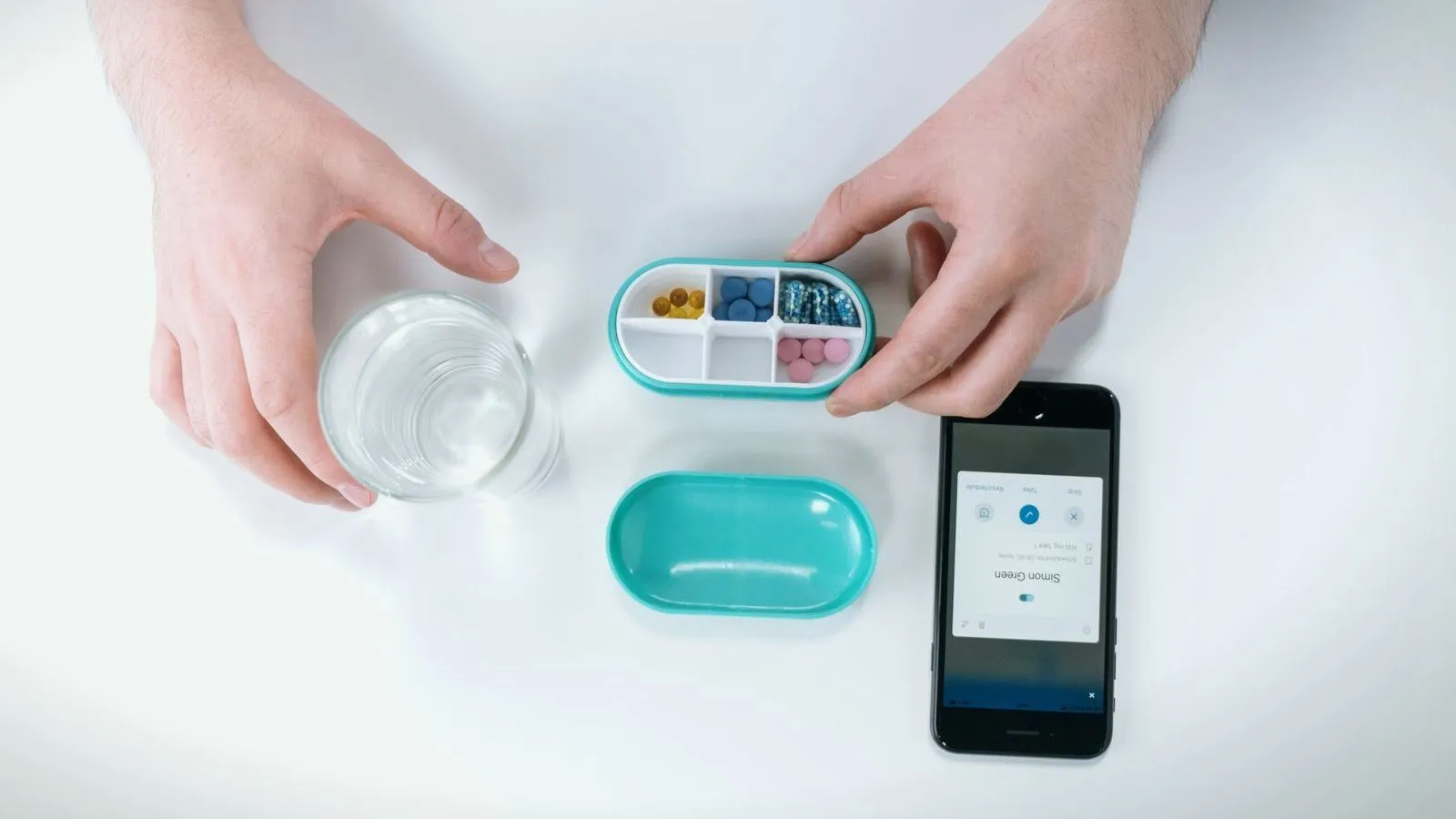
- A phone app lifted tuberculosis cure rates from 74% to 82% in a randomized trial.
- Fewer people dropped out of treatment: 17% lost track of, down from 24%.
- Tuberculosis treatment runs for months, and stopping early is the main reason it fails.
- The benefit was larger among women and among people under 35.
- 525 patients in a low-resource setting; the outcome is treatment completed, not illness prevented.
The hardest part of curing tuberculosis is not the medicine. It is month five.
For active TB, or tuberculosis that has progressed to disease, you usually need to take medicines for four, six, or nine months, and the symptoms clear long before the course does. A person who feels entirely well is being asked to keep swallowing tablets with side effects for another sixteen weeks, and a great many of them stop.
Writing in The BMJ, researchers tested an interactive digital tool against that problem in a pragmatic randomized trial. Treatment success was higher in the intervention group (208/255; 82%) than in the control group (201/270; 74%).
Why eight percentage points is a large result here
Adherence interventions usually fail. The literature is full of reminder texts and pillboxes that produced nothing measurable, because the reason people stop is rarely that they forgot.
Against that background, the risk difference was 7.1%, with the range clearing zero, and that is worth attention. It works out at roughly one extra cure for every fourteen people given the tool.
The second outcome may matter more. Loss to follow-up was lower in the intervention group, 17% against 24%, which is roughly a third fewer people vanishing mid-course. Losing a quarter of your patients from a tuberculosis program is not only a treatment failure; it is a person who disappears mid-course with partially treated infection.
The reason failure is not just failure
Tuberculosis is one of the few conditions where an individual stopping treatment creates a public problem.
If you don’t follow the directions, the TB germs in your body could change and become antibiotic resistant, which means the medicine may stop working and your TB may become hard to cure. Resistant strains then transmit as resistant strains. The germs spread from person to person through the air, and people who have TB disease in their throat or lungs spread the germs when they cough, sneeze, talk, or sing.
So the value of an 8-point improvement is not only the eight people in a hundred who get better. It is the resistant disease that never gets created and never gets passed on.
What “patient centred” is doing in the title
The intervention is described as a multifaceted, interactive digital adherence tool, and both adjectives are load-bearing.
The generation of tools that failed were one-way: a reminder arrives, the patient ignores it, nobody knows. Interactive means the patient responds, which produces a signal a clinic can act on, and it means the tool can carry information rather than only a prompt.
That connects to why this is a health literacy problem as much as a technology one. It is important to take all your medicines and to take them exactly as your provider tells you, and “all” is a demand that requires someone to understand why, months after they stopped feeling ill.
What a pragmatic trial buys and costs
This was run in ordinary services rather than a research clinic, which is the point and also the constraint.
A pragmatic design tests whether something works in the conditions it would actually be used in, with routine care as the comparison and broad eligibility. It transfers better than a tightly controlled trial and it controls less: staff behavior, phone availability and clinic quality all vary inside the result.
The authors’ own framing is careful, too: the tool showed feasibility and effectiveness in supporting adherence to tuberculosis treatment in low resource settings. The pooled comparison sits right at the edge of what counts as a clear result. This is a real but modest effect established at the boundary, not an overwhelming one.
Subgroup findings should be held loosely. Greater benefit was observed among female participants and those aged under 35 years, which is plausible and exploratory.
Why this belongs on a healthy aging site
Tuberculosis is not most readers’ problem. The adherence question is.
Any treatment measured in months meets the same wall: statins, blood pressure drugs, antidepressants, physiotherapy programs. The failure mode is identical, a person who feels fine and stops, and the field has spent twenty years discovering that reminders alone do not fix it.
What this trial adds is evidence that a two-way tool, in the setting with the least staff time available, moved both completion and disappearance. That is a finding about how treatment support works, tested where it is hardest, and the version of it that reaches a European pharmacy will be a descendant of this rather than of another reminder text.
People also ask
What did the trial find?
In the intention-to-treat analysis, treatment success was higher in the intervention group (208/255; 82%) than in the control group (201/270; 74%). The risk difference was 7.1% (95% confidence interval 1.1% to 14.1%), and the risk ratio was 1.10 (1.00 to 1.20; P=0.04). Loss to follow-up was lower in the intervention group (17% v 24%; risk ratio 0.70, 0.50 to 0.98; P=0.04).
Why does tuberculosis need an adherence tool?
Because the course is long. For active TB disease, you usually need to take medicines for four, six, or nine months, and people feel better long before they finish. Stopping early is the main reason treatment fails.
What happens if someone stops early?
The TB germs in your body could change and become antibiotic resistant. That means the medicine may stop working and your TB may become hard to cure. Drug-resistant tuberculosis is more expensive, more toxic and takes far longer to treat.
What is a pragmatic trial?
One run in ordinary clinical conditions rather than an idealised research setting, with broad eligibility and routine care as the comparator. It trades some internal control for an answer that transfers to real services.
Is a 7 percentage point gain worth having?
In tuberculosis, yes. It is roughly one additional cure for every fourteen people given the tool, and each failure avoided is also a person who does not go on to develop resistant disease or transmit it.
Who benefited most?
Greater benefit was observed among female participants and those aged under 35 years. Subgroup findings are exploratory and should not be read as established differences.
Why does this matter outside high-burden countries?
Because the adherence problem is generic. Any treatment measured in months faces the same drop-off, and this is evidence that an interactive tool can move it in exactly the setting where staff time is scarcest. This is general information rather than medical advice.