News · Heart & Metabolic
Combining two next-generation weight-loss drugs beat either one alone in obese rats
The next wave of obesity drugs targets several gut hormone signals at once. In obese male rats, pairing retatrutide with cagrilintide hit five receptors and produced more weight loss than current options.
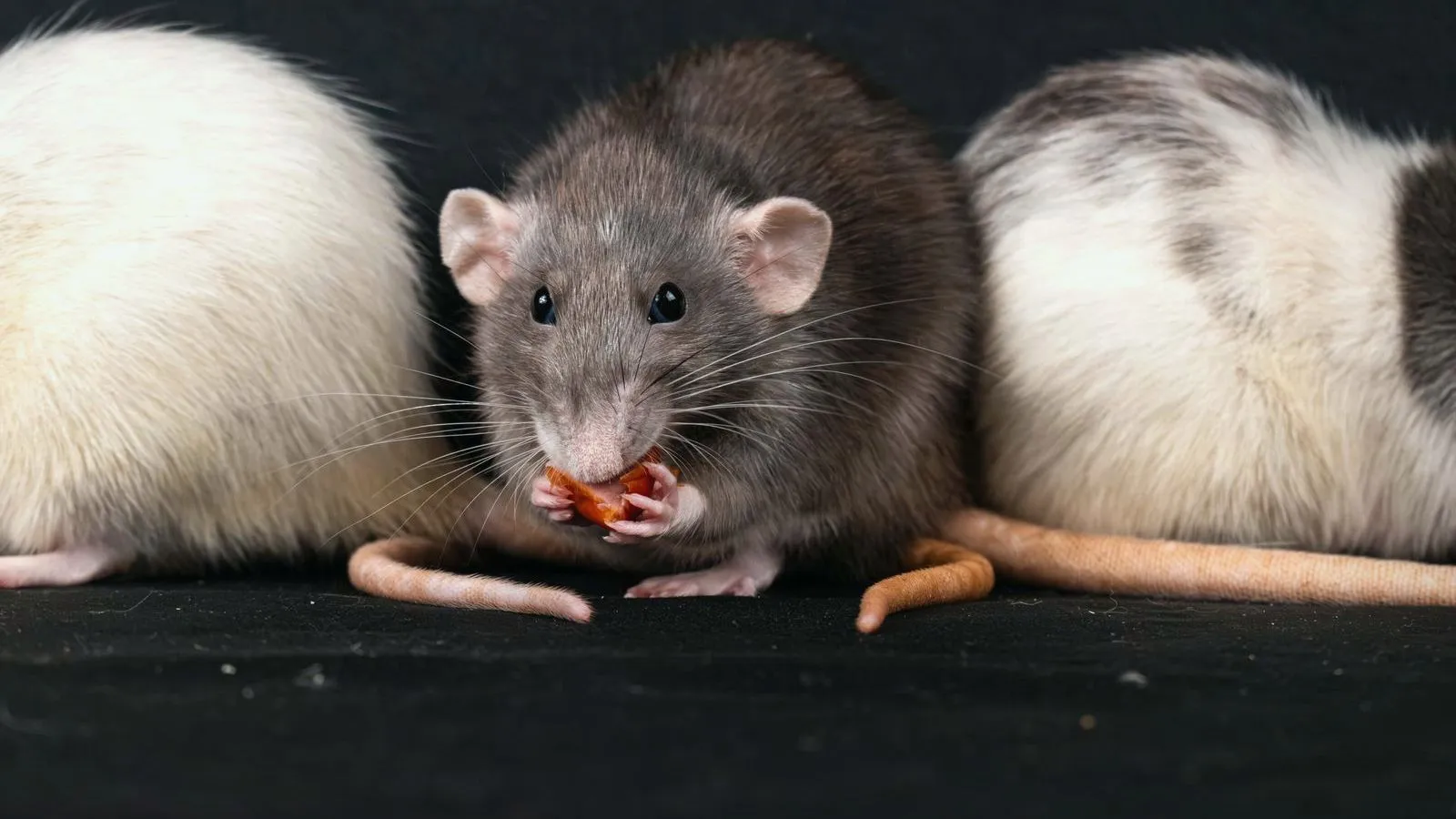
- This was done in obese male rats, and the drug combination has not been tested in people.
- Daily retatrutide plus cagrilintide cut body weight more than either drug alone at the same dose.
- It also beat matched combinations that used semaglutide or tirzepatide instead.
- The extra weight loss was not explained by the rats simply eating less.
- Weight-loss drugs carry real side effects, and nobody should combine them without a doctor.
Weight-loss drugs such as semaglutide and tirzepatide have changed how obesity is treated, and researchers are already working on what comes next. The newest candidates hit several of the body’s appetite and metabolism signals at once. A study in obese male rats tested one ambitious pairing, two drugs that together act on five different hormone receptors.
The combination produced more weight loss than either drug alone, and more than similar pairings built on today’s best-known medicines. It has not been tested in people.
How do the new weight-loss drugs work?
The current drugs copy gut hormones that the body releases after eating. Semaglutide mimics a hormone called GLP-1, which helps regulate appetite and blood sugar. Tirzepatide acts on GLP-1 receptors and on those for a second hormone, GIP.
Retatrutide goes a step further, acting on three receptors: GLP-1, GIP and glucagon. Cagrilintide works through a different system, acting on receptors for amylin, another appetite-related hormone, and for calcitonin.
The authors note that current treatments leave room for improvement, especially in people with both obesity and type 2 diabetes. Their question was whether combining these two approaches could do better than either one.
What did the drug combination do in obese rats?
Writing in Nature Metabolism, the researchers used male rats made obese with a fattening diet, then gave them daily doses. The combination reduced body weight and food intake in a dose-dependent way, meaning higher doses produced bigger effects.
At matched doses, the pair outperformed each drug given alone. It also did better than comparison combinations in which semaglutide or tirzepatide took retatrutide’s place. Treated rats showed improvements in cholesterol, triglycerides and insulin levels too.
Was the extra weight loss just from eating less?
Apparently not, and this is the most interesting part of the study. The team ran two kinds of control experiments. In pair-feeding, untreated rats were given exactly as much food as treated rats ate. In weight-matching, they compared animals that had lost similar amounts of weight by different routes.
The treated rats lost more weight than reduced eating alone could explain. Blood protein measurements pointed to changes in how the body uses energy. In the brain, the combination produced stronger gene activity changes than single drugs in regions that regulate appetite and energy balance, including the hypothalamus and part of the brainstem.
Who ran the weight-loss drug study?
The paper declares competing interests. Several authors co-founded biotech companies developing obesity and cardiometabolic treatments, one received speaking fees from Novo Nordisk, and another has received research support from Novo Nordisk and consulting fees from Eli Lilly and Zealand Pharma. None of that invalidates the results, but it is worth knowing when reading about a drug strategy with commercial value.
Why rat results may not carry over to people
Rats are useful for testing whether an idea is worth pursuing, but many drugs that work well in rodents disappoint in humans. Only male rats were studied.
Crucially, the study tells us nothing about side effects in people from hitting five receptors at once. The drugs in current use already carry real risks. MedlinePlus warns that semaglutide injection may increase the risk of thyroid gland tumors, a warning based on tumors seen in rats, and it advises people to tell their doctor about any history of pancreatitis or gallbladder disease before starting.
What does the rat weight-loss result mean for people with obesity?
For now, nothing changes. This combination has not been tested in people, and nobody should try to combine weight-loss medicines outside a doctor’s care.
MedlinePlus notes that obesity is a disease that means having too much body fat, and that many factors affect weight. What this study offers is a glimpse of where drug development is heading: toward combinations that act on several of the body’s own signals, with the promise of more weight loss and the open question of what that costs in side effects.
People also ask
What did the study find?
In diet-induced obese male rats, daily co-administration of retatrutide and cagrilintide produced dose-dependent reductions in body weight and food intake that exceeded both equimolar monotherapies and matched-dose combinations incorporating semaglutide or tirzepatide. The combination also improved cholesterol, triglycerides and insulin, and pair-feeding and weight-matching studies showed the extra weight loss was not explained by reduced food intake alone.
What is retatrutide?
A drug that acts on three hormone receptors at once: those for GLP-1, GIP and glucagon, signals involved in appetite, blood sugar and energy use.
What is cagrilintide?
A drug that acts on receptors for amylin, an appetite-related hormone, and for calcitonin.
How is this different from Ozempic or Mounjaro?
Semaglutide acts on one receptor and tirzepatide on two. This combination acts on five. In rats it produced more weight loss than matched combinations built with semaglutide or tirzepatide.
Does this mean the combination will work in people?
Not necessarily. Rat results often fail to carry over to humans, and this study did not assess side effects in people. Human trials would be needed.
Can I combine weight-loss medicines myself?
No. These drugs can cause serious side effects, and this combination has not been tested in people. Any weight-loss treatment should be managed by a doctor. This is general information rather than medical advice.