Explainer · Supplements
Omega-3 plus low-dose aspirin matched antibiotics as an add-on for severe gum disease in a small trial
Deep cleaning is the standard treatment for gum disease, and antibiotics are sometimes added. A year-long trial in Brazil found fish oil with low-dose aspirin worked about as well as antibiotics.
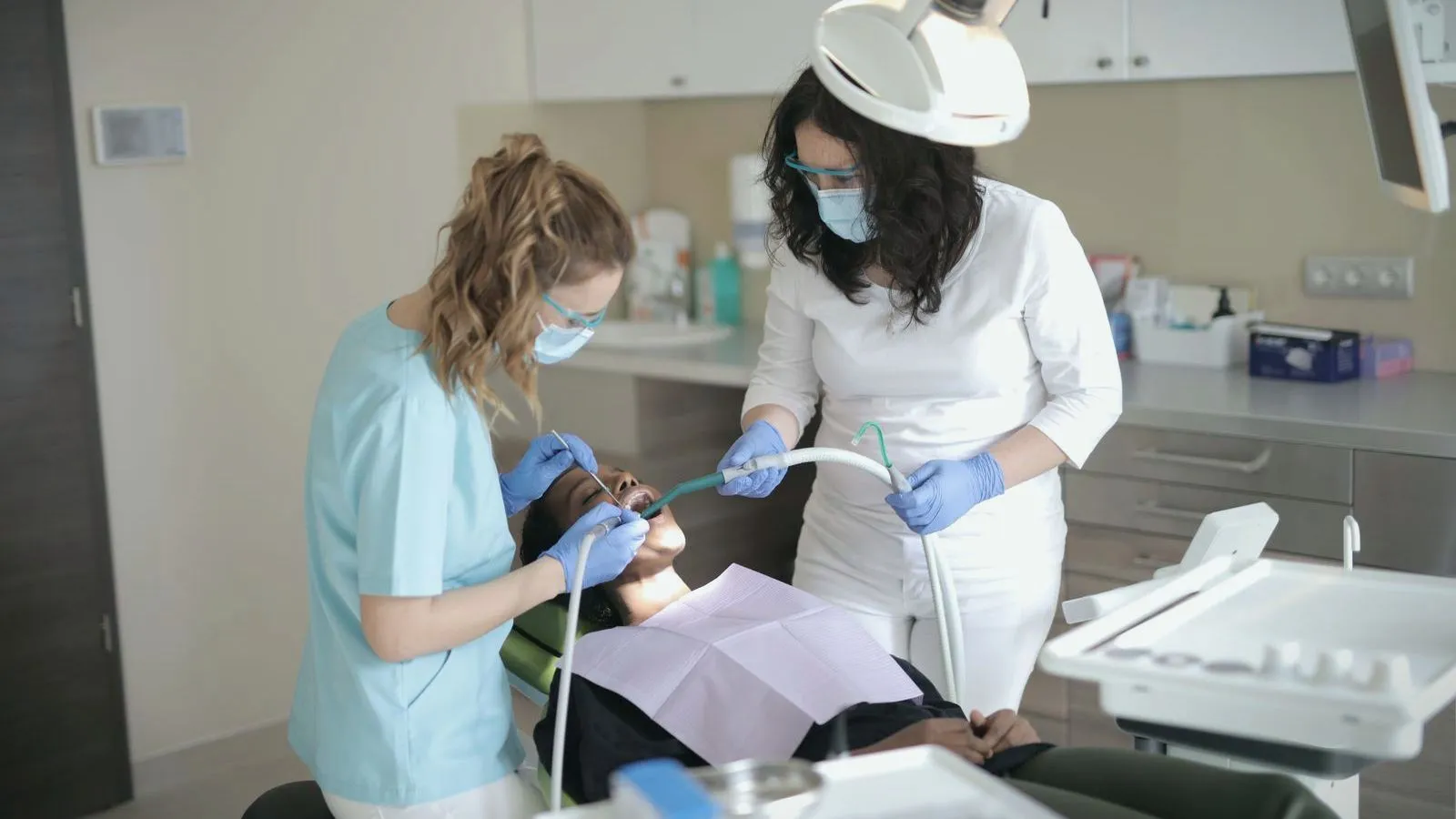
- A randomized, placebo-controlled trial of 109 adults with severe gum disease in Brazil, followed for a year.
- All had deep cleaning, plus placebo, antibiotics, omega-3 with low-dose aspirin, or both.
- About 58% in each add-on group reached the treatment goal, against 23% with cleaning alone.
- Combining antibiotics with omega-3 and aspirin added no further benefit.
- Groups had only 26 to 29 people each, fewer than planned.
Gum disease is one of the most common chronic conditions in adults, and its severe form can loosen and destroy teeth. Deep cleaning below the gum line is the standard treatment, and dentists sometimes add a short course of antibiotics for severe cases.
A trial in the Journal of Periodontology tested a different kind of add-on: fish oil omega-3 with a daily low-dose aspirin, meant to calm inflammation rather than kill bacteria. After a year, it worked about as well as antibiotics.
What periodontitis is
MedlinePlus explains that gum disease ranges from simple gum inflammation, called gingivitis, to serious damage to the tissue and bone supporting the teeth. In the worst cases, teeth can be lost.
In periodontitis, the gums pull away from the teeth and form pockets that become infected. Pocket depth, measured in millimeters with a small probe, is how dentists track the disease. Deep pockets of 5 mm or more are hard to keep clean and tend to get worse.
How the omega-3 and aspirin trial worked
The trial enrolled adults with severe periodontitis at several centers in Brazil. Everyone had deep cleaning below the gum line. They were then randomly assigned to one of four add-ons: placebo, two antibiotics for 14 days, omega-3 with aspirin for six months, or both antibiotics and omega-3 with aspirin.
The omega-3 dose was 3 grams a day and the aspirin dose 100 mg a day. Neither patients nor the dentists assessing them knew who got what. The goal was to have four or fewer sites with deep pockets after one year.
What happened to gum pockets
All three add-ons beat cleaning alone. At 1 year, 58.6%, 57.7%, and 57.1% of patients receiving antibiotics, omega-3 with aspirin, or both reached the goal. Only 23.1% of those who had cleaning with placebo did.
Each add-on also reduced the number of deep pockets more than cleaning alone. But the combination was no better than either on its own. The results suggested no added benefit from combining ATB and IM, meaning antibiotics (ATB) and the anti-inflammatory pair (IM).
Why an omega-3 option for gum disease matters
Antibiotics work for severe gum disease, but every course adds to the risk of antibiotic resistance and can cause side effects. An add-on that targets inflammation instead of bacteria could give dentists another choice.
The authors conclude that the findings support MTZ + AMX or ω-3 + ASA, without routine combination, meaning either antibiotics or omega-3 with aspirin, as effective add-ons. They call for further trials to work out which patients benefit most from each approach.
What a small periodontitis trial cannot settle
The trial was smaller than planned. The authors note that the smaller-than-planned sample size represents a key drawback, with 26 to 29 people per group after recruitment was disrupted by the COVID-19 pandemic.
It was designed to compare each add-on with placebo, not to compare the add-ons with each other. So it cannot say that omega-3 with aspirin is as good as antibiotics, only that both beat cleaning alone. All patients were in Brazil and had severe disease.
What this changes for people with gum disease
For people with severe gum disease, professional deep cleaning and good daily care at home remain the core of treatment. Omega-3 with low-dose aspirin is an option worth asking a periodontist about, particularly where antibiotics are not suitable.
It is not something to start alone. Daily aspirin raises the risk of bleeding and is not right for everyone, and the evidence comes from one small trial.
People also ask
What did the trial find?
At 1 year, 58.6%, 57.7% and 57.1% of patients receiving antibiotics, omega-3 with aspirin, or both achieved the treatment endpoint (4 or fewer sites with probing depth of 5 mm or more), compared with 23.1% with deep cleaning and placebo (p = 0.023). Each add-on reduced the number of deep sites more than cleaning alone.
What is periodontitis?
A serious gum infection in which the gums pull away from the teeth and form infected pockets. Without treatment, it can destroy the bone and tissue that hold teeth in place.
What doses were used?
The omega-3 group took 3 g of omega-3 and 100 mg of aspirin daily for 6 months. The antibiotic group took metronidazole 400 mg and amoxicillin 500 mg three times a day for 14 days.
Why try omega-3 and aspirin instead of antibiotics?
They target the body's inflammatory response rather than bacteria, which could help limit antibiotic use and the spread of antibiotic resistance.
Should I start omega-3 and aspirin for my gums?
Not on your own. Daily aspirin raises bleeding risk and is not suitable for everyone, and the trial was small. Discuss options with a dentist or periodontist.
What is the most important step for gum disease?
Professional treatment, including deep cleaning, and daily brushing and flossing. Stopping smoking also helps. This is general information rather than medical advice.