News · Supplements
Free nutrient sachets lifted measles vaccination by 20 points in a Nigerian trial
In a randomized University of Bordeaux and ALIMA trial across 20 wards of Yobe State, Nigeria, giving out a peanut-based nutrient supplement at vaccine visits raised first-dose measles coverage by 20 percentage points.
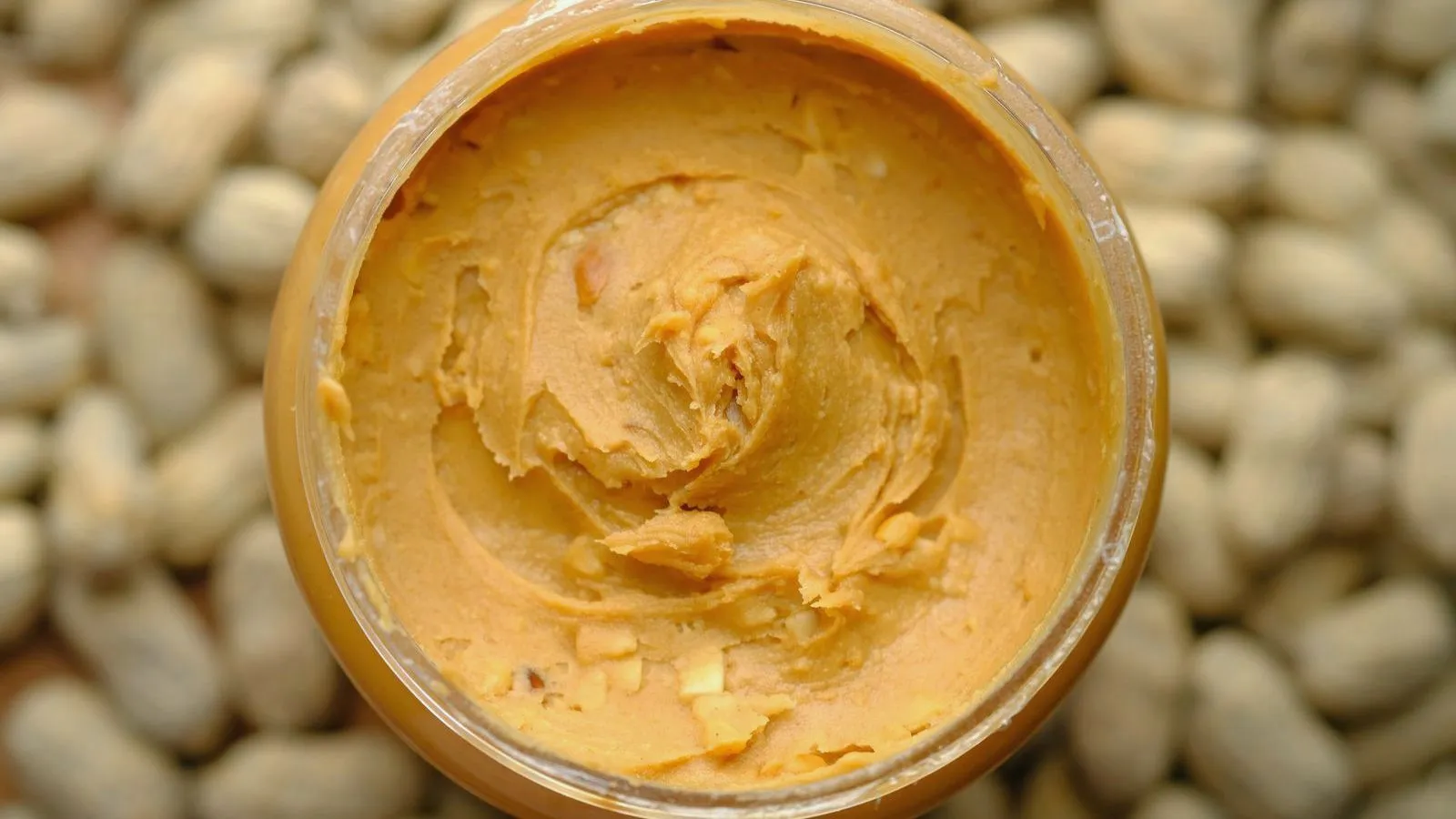
- Giving out a free nutrient supplement at routine vaccine visits raised measles vaccination in northern Nigeria.
- First-dose coverage went from 25% to 55% in wards with the supplement, against 30% to 41% in wards without it.
- Only about half the children in those wards ever got the sachets, and nobody had to be vaccinated to get them.
- Other vaccines rose too, and fewer children had never had a dose of the main combined childhood vaccine.
- Coverage stayed far below the 95% needed to stop measles spreading, and this is one trial in two districts.
The idea came from the field. While handing out sachets of a fortified peanut paste, a supplement known as SQ-LNS, to young children in Cameroon, staff from the medical charity ALIMA noticed that more families were turning up for routine vaccinations. “In the course of our distribution activities of SQ-LNS in Cameroon, we realized there was a spontaneous increase in the number of children that turned out for routine immunization,” Irine Atanga, ALIMA’s medical lead in Yobe State, Nigeria, said in a 2025 ALIMA article.
A trial in Yobe has now tested that hunch properly, and it held up. In 20 wards of two districts, health centers in half the wards began giving out a free monthly ration of the supplement on vaccination days. A year later, the share of young children with a card-recorded first dose of measles vaccine had risen 20 percentage points more in those wards than in the others. The study, a pragmatic cluster-randomized trial, was published on October 1 in Nature Medicine. Cécile Cazes and Renaud Becquet of the University of Bordeaux and the French research institute Inserm led it, with Baba Waru Goni of Yobe State University Teaching Hospital and Kevin Phelan of ALIMA.
What is SQ-LNS, the supplement in the measles trial?
SQ-LNS stands for small-quantity lipid-based nutrient supplement. Each day’s dose is a single 20-g sachet of a fat-based paste, packed with vitamins and minerals and meant to be stirred into a young child’s food or eaten straight from the packet. Caregivers in Yobe just call it peanut paste; one mother told ALIMA that after a lapse she resumed collecting the peanut paste along with her daughter’s vaccines. The trial authors call it a highly nutrient-dense, food-based supplement designed to prevent malnutrition in children between 6 and 23 months old.
It has a solid record of its own. A pooled analysis of 18 trials in 11 countries, covering 41,280 children, found about a quarter fewer deaths among children given the supplements, and concluded that supplements provided for the prevention of undernutrition may reduce the risk of mortality. A later analysis that pooled the raw data from 14 trials found the supplements led to a relative reduction of 31% in severe wasting, dangerous thinness for a child’s height, and of 17% in severe stunting. The Nature Medicine team notes that a World Health Organization guideline now recommends the supplement in certain food-insecure settings, yet it is rarely provided due to inadequate international and domestic financing.
The NutriVax idea was to make it do two jobs at once. Hungry children are more vulnerable to infection, and infection in turn drives malnutrition, so undernutrition and infectious diseases form a vicious cycle, in the authors’ words. A free ration of food at the end of a vaccine visit might pull families into the clinic. Once there, the child could catch up on any vaccines that were due.
How the NutriVax measles trial in Yobe State worked
Yobe, in northeastern Nigeria, is a hard place to run any study. The two districts chosen, Nguru and Karasuwa, live with armed groups, community violence and kidnappings. At the start of the trial, only 29.9% of children aged 12 to 23 months had a first measles dose recorded on a vaccination card, and acute malnutrition affected 14.2% of children under five. Across Nigeria, 105 of every 1,000 children born alive die before age five, a national under-5 mortality rate four times the global goal for 2030. Neither district had ever had a supplement program, and none was planned.
Each district has ten wards, small administrative areas served by one primary health center apiece, and the researchers split them between the two groups in the open. The wards were drawn by a public lottery held separately in each district, in the local language, with health officials and village heads watching and a community representative drawing each ward’s lot. In the ten NutriVax areas, caregivers of children aged 6 to 22 months got a month’s supply of sachets on each vaccination-day visit, for up to a year or until the child reached 23 months. Families who lived far away got three months’ worth. Families everywhere in the trial heard the same messages promoting vaccination and good feeding.
The supplement was not a reward for vaccination. Every caregiver passed through the vaccination station first, where staff checked the child’s card for doses that were due, but caregivers could receive SQ-LNS regardless of whether scheduled vaccines were accepted. Over the year, the ten clinics handed out 3,753,009 sachets to 19,739 children.
The team did not follow those children individually. Instead, researchers surveyed randomly chosen households across the trial area in May 2024, before the program began, and again in May 2025. Each time they counted vaccines from the cards of children aged 12 to 23 months. The second survey included 1,604 children (801 control, 803 NutriVax), and fewer than one household in 200 declined to take part.
How much measles vaccination rose with the supplement
Over the year, card-recorded first-dose measles coverage increased to 41.2% and 55.3% in the wards without and with the supplement, from starting points of 29.9% and 25.0%. Fear of vaccine side effects fell in both groups, which the authors link to ongoing community mobilization activities and suggest may have lifted the comparison areas too; where the supplement was offered, coverage more than doubled. Comparing the size of those two changes, the supplement added about 20 percentage points, meaning roughly one more child in every five aged 12 to 23 months had the first dose recorded. In the main analysis, children in supplement areas had about twice the odds of a card-verified first dose.
That gain came even though most children in those areas were not on the program. Only 386 of 803 children (48%) surveyed there had ever received the sachets, and uptake ranged from 30% to 71% from ward to ward. Among children who did get the supplement, 73.3% had a recorded first measles dose, against 38.6% of their neighbors who did not, but that comparison is not randomized and the authors label it exploratory. Families who came for sachets lived slightly closer to clinics and may have differed in other ways too.
The effect spread across the vaccine schedule. Children in the supplement areas were more likely to have kept their vaccination card at all. They were also more likely to have had the third dose of the combined vaccine against diphtheria, tetanus, whooping cough and other infections, and to have had meningitis and yellow fever shots. The program halved the odds of being card-verified zero-dose, the term for a child who has never had even the first of those routine combined vaccines, and it raised the share of children who had received vitamin A. The odds of a second measles dose doubled too, although only 27.6% of children there had one by the end.
Staff recorded no harms related to the co-delivery of supplement and vaccines. The one cost families noticed was the wait. Long waiting times were more frequently reported as a barrier where the sachets were on offer, which is what happens when more people come to the same clinic on the same day.
How the result compares with other ways of raising vaccination
Getting more children vaccinated in poor, remote places has proved stubbornly hard. A 2023 Cochrane review of 41 studies in low- and middle-income countries found that health education, home-based records, enlisting community leaders and joining vaccination up with other services may improve uptake, but rated the certainty of the evidence from moderate to very low. Phone reminders made little or no difference to uptake of the combined vaccines.
Incentives have a mixed record. The best-known food incentive came from rural Rajasthan, India. In a 2010 trial, Abhijit Banerjee, Esther Duflo and colleagues offered families small rewards, raw lentils and metal plates: a kilogram of lentils per vaccination and a set of plates for finishing the schedule. Full immunization reached 39% in villages with reliable clinics plus incentives, 18% with reliable clinics alone and 6% in control villages. The economists concluded that “small incentives have large positive impacts on the uptake of immunisation services in resource poor areas.” A 2025 review of 40 studies of vaccination incentives, led by Matthew Saunders of Médecins Sans Frontières, found that “most studies demonstrated modest positive short-term effects on immunisation uptake”, but warned of side effects, including lower uptake once an incentive was withdrawn and damage to trust in health services when programs were poorly run.
The Yobe trial differs from both in ways that may matter. The sachets were not conditional on vaccination, so nobody was rewarded for accepting a vaccine, and the supplement has a trial record of its own as a way to prevent malnutrition. The authors also point to an earlier trial in northern Nigeria of a cash incentive program that is already scaled-up in much of the region; it raised first-dose measles coverage, as reported by caregivers, by 14.1 percentage points against control. That trial relied on caregivers’ memories rather than cards, so the two results cannot be lined up exactly, but the NutriVax gain came from a program with a nutritional reason to exist anyway.
What the measles supplement trial leaves unanswered
The trial counted vaccinations, not cases of measles. The authors say the effect of a 20-point rise in coverage on measles cases and deaths is not yet known, and they plan to update a disease model for Yobe to estimate it. Coverage also ended far short of what measles demands. The virus spreads so easily that stopping outbreaks requires at least 95% immunization coverage with two timely doses, and the supplement areas finished at 55% by card, or 68.5% counting caregivers’ recollections. Even in the authors’ telling, supplements at health centers alone could not close that gap in a setting this difficult.
The result comes from one country and two districts. The authors acknowledge that the trial was conducted in one country only, although the long distances, low coverage and high malnutrition it faced are common across the region. ALIMA also helped the health ministry keep sachets and vaccines in stock throughout, and the authors caution that the results may not carry over to places where supplies run out. With just ten wards in each group, the estimates are less precise than the number of children suggests, and families and clinic staff knew which group their ward was in.
Some questions are still to come. The trial did not report whether the supplement improved children’s nutrition in Yobe or what the program cost; both analyses are planned. Nor does it show what happens if distribution stops, which the incentive literature suggests is a real risk.
What the Nigeria trial means for measles and malnutrition
Measles remains a major killer of young children. The World Health Organization estimates 95,000 measles deaths in 2024, mostly among unvaccinated or under vaccinated children under five, and notes that outbreaks are especially dangerous for young, malnourished children. About 84% of the world’s children received a first dose by their first birthday in 2025; card-recorded coverage in the Yobe districts started at about a third of that.
The authors argue that their approach is a promising strategy that should be considered for scale-up where malnutrition is common and vaccination rates are low. Nigeria has recently announced a large investment in these supplements through a World Bank-financed nutrition project, they note. Baba Goni, the trial’s principal investigator in Yobe, framed the need before the results were in: “Anything that will bring about the motivation of our people to bring their children for vaccination is in line with the policy objective of the Yobe State Ministry of Health.”
In two troubled districts of northern Nigeria, a free food ration brought more families back to the vaccine clinic; whether it can do that elsewhere, and whether it prevents measles, are still open questions.
People also ask
How much did the nutrient supplement raise measles vaccination?
Coverage of the first measles dose, checked against each child's vaccination card, rose from 25.0% to 55.3% in the wards that offered the supplement and from 29.9% to 41.2% in the wards that did not. Comparing those changes, the supplement added 20.1 percentage points (likely range 13.7 to 26.5). In the trial's main analysis, children in supplement wards had about twice the odds of a card-verified first dose (odds ratio 2.08, likely range 1.30 to 3.35).
What is SQ-LNS?
SQ-LNS stands for small-quantity lipid-based nutrient supplement. It is a 20-gram sachet of a fat-based paste, which caregivers in Yobe called peanut paste, enriched with vitamins and minerals, and meant to be eaten once a day by children aged 6 to 23 months to help prevent malnutrition. Trials elsewhere have linked it to fewer deaths and less severe wasting and stunting.
Did children have to be vaccinated to get the supplement?
No. Caregivers passed through the vaccination station first, where staff checked whether any vaccines were due, but a child could receive the monthly supplement ration whether or not a vaccine was accepted.
Will giving out supplements at vaccine visits reduce measles cases?
That has not been measured. The authors say the effect of a 20-point rise in coverage on measles cases and deaths is not yet known. Coverage at the end of the trial, 55% by card, was still well below the 95% with two doses that stops measles spreading.
Does WHO recommend these supplements?
According to the trial's authors, the World Health Organization's guideline on complementary feeding recommends SQ-LNS for children aged 6 to 23 months in certain food-insecure settings. WHO recommends two doses of measles vaccine for every child. This is general information rather than medical advice.
References
- Cazes, C., Goni, B. W., Gabillard, D., et al. Small quantity lipid-based nutritional supplementation and measles vaccination coverage in children aged 6-23 months: a pragmatic cluster-randomized trial. Nature Medicine, 2026.
- Stewart, C. P., Wessells, K. R., Arnold, C. D., et al. Lipid-based nutrient supplements and all-cause mortality in children 6-24 months of age: a meta-analysis of randomized controlled trials. American Journal of Clinical Nutrition, 2020.
- Dewey, K. G., Arnold, C. D., Wessells, K. R., et al. Preventive small-quantity lipid-based nutrient supplements reduce severe wasting and severe stunting among young children: an individual participant data meta-analysis of randomized controlled trials. American Journal of Clinical Nutrition, 2022.
- Oyo-Ita, A., Oduwole, O., Arikpo, D., et al. Interventions for improving coverage of childhood immunisation in low- and middle-income countries. Cochrane Database of Systematic Reviews, 2023.
- Banerjee, A. V., Duflo, E., Glennerster, R., Kothari, D. Improving immunisation coverage in rural India: clustered randomised controlled evaluation of immunisation campaigns with and without incentives. BMJ, 2010.
- Saunders, M. J., Pereboom, M., Alvarez, J. L., Sherlock, M., Gadroen, K. Incentives in immunisation campaigns in low- and middle-income countries: a scoping review mapping evidence on effectiveness and unintended consequences. BMJ Global Health, 2025.
- World Health Organization. Measles (fact sheet), 2026.