News · Longevity & Aging
A blood test for many cancers found about a third of them, in an NHS trial of 142,250 people
The Galleri test promised to catch cancer early from a single blood draw. The full NHS trial results show it missed most cancers, and a positive result was right about half the time.
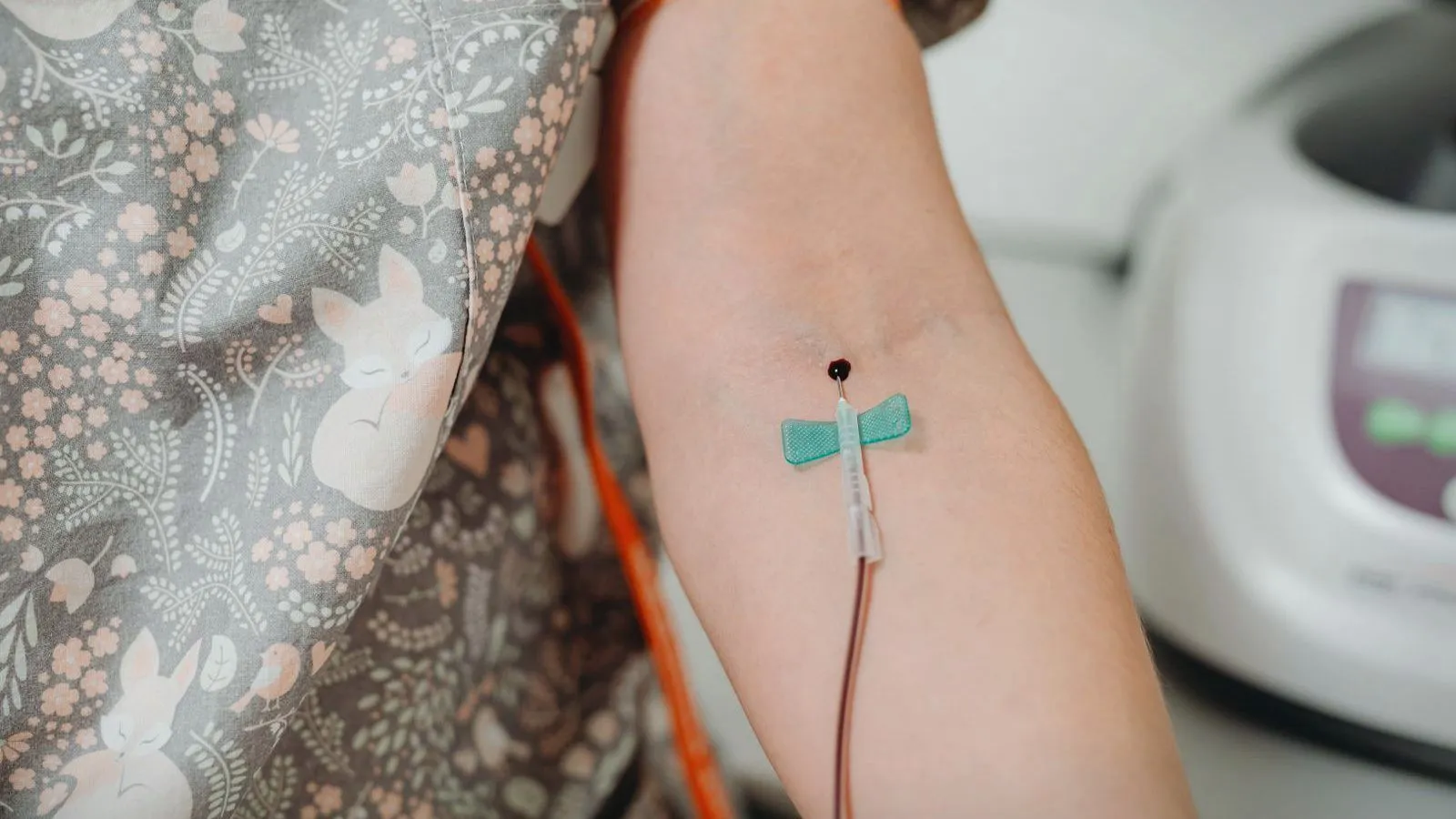
- A randomized trial in 142,250 English adults aged 50 to 77, who had three annual blood tests or usual care.
- The trial's main aim, catching more cancers before they reached stage III or IV, was not met.
- The test flagged about 1% of people each round, and 937 of those turned out to have cancer.
- It detected between 27% and 37% of cancers that arose, and 48% to 63% of 12 target cancer types.
- A positive result meant cancer about half the time; a negative result did not rule cancer out.
Few ideas in medicine have been sold as hard as the cancer blood test: one draw from the arm, a check for dozens of cancers, tumors caught while they are still small. England’s health service ran the largest trial of the idea, inviting more than 140,000 people to be screened with the Galleri test alongside their usual care.
The trial’s full performance results are now published in Nature Medicine. The test found roughly a third of the cancers that arose, its main goal of shifting cancers to earlier stages was not met, and about half of the people it flagged turned out not to have cancer.
What a multi-cancer blood test is trying to do
MedlinePlus starts from the basics: cancer is not just one disease but many diseases, and it begins in your cells, which are the building blocks of your body. Those cells shed DNA into the bloodstream, and a multi-cancer early detection test looks for the fragments that come from tumors.
The appeal is obvious. Most countries screen for only a handful of cancers, and many tumors are found once they cause symptoms, by which time they have often spread. A test that could flag several cancers early, from a single sample, would change that. The question is how well it actually performs.
How the NHS-Galleri trial was run
The trial recruited widely and randomly. Participants aged 50-77 years (N = 142,250) were randomized 1:1 into intervention (MCED) or control arms, meaning half had the blood test each year for three years while half had usual care only.
When the test was positive, people were referred into normal NHS diagnostic pathways, guided by the test’s prediction of where the signal came from. That prediction was accurate in about nine of ten cases. The results published now cover prespecified secondary endpoints about how the test performed; as the authors note, these analyses were descriptive; there was no hypothesis testing.
What the cancer blood test detected
The test rarely flagged anyone. Positive results came back for 1.03% of people in the first round and 0.80% and 0.90% in the next two, and in aggregate, 937 participants had MCED-detected primary cancers.
Its accuracy cut both ways. Specificity ranged from 99.50% to 99.60%, meaning very few people without cancer were flagged. But episode sensitivity ranged from 26.7% to 37.2% for all cancers, so most cancers arising in a screening year were missed, and rose to between 47.6% and 63.4% for 12 cancer types the test was designed to find. Among those who did test positive, 58.0%, 50.4% and 45.8% had cancer confirmed in rounds one to three.
Why the Galleri trial result disappoints
The point of screening is not to detect cancer for its own sake but to find it early enough to change what happens. On that measure the trial came up short: the authors report that the primary endpoint of a reduction in the incidence of stage III/IV cancer diagnoses in the intervention arm versus control arm was not met.
The performance figures explain part of why. A test that catches a third of cancers in a given year leaves most to be found the usual way, and the cancers it catches may include some that would never have caused harm. Meanwhile, roughly half the people it flagged went through scans and procedures without a cancer being found.
What these screening results cannot settle
These analyses describe how the test behaved; they were not designed to prove or disprove benefit, and there was no hypothesis testing. Deaths from cancer were not the endpoint, and it would take far longer follow-up to see whether any of the extra detection translates into lives saved.
The trial ran in one health system, in adults aged 50 to 77, using one version of one test. Performance drifted downward across rounds, which may reflect that the first round picked up cancers that had been growing for years. Newer versions of this or rival tests could behave differently.
What this changes for cancer screening
For anyone weighing up a private multi-cancer test, the practical lesson is that a normal result is not a clean bill of health: in this trial the test missed most cancers. A positive result, meanwhile, starts a round of investigations that about half the time finds nothing.
The proven screening programs, for breast, bowel and cervical cancer, remain the ones with evidence behind them, along with seeing a doctor about symptoms that do not settle. Blood tests for many cancers at once may still get there, but this trial says they are not there yet.
People also ask
What did the study find?
Positive results were returned for 1.03%, 0.80% and 0.90% of participants in rounds 1 to 3. In aggregate, 937 participants had cancers detected by the test. Positive predictive values were 58.0%, 50.4% and 45.8%; specificity ranged from 99.50% to 99.60%; and sensitivity per screening episode ranged from 26.7% to 37.2% for all cancers and 47.6% to 63.4% for 12 prespecified types.
What is a multi-cancer early detection test?
A blood test that looks for fragments of DNA shed by tumors, aiming to detect several cancers at once and to predict which organ a signal came from. The one tested here is sold as Galleri.
What does sensitivity mean here?
The share of cancers that the test picks up. A sensitivity of about a third means roughly two in three cancers that arose during a screening round were not flagged by the test.
What does a positive result mean?
In this trial, between 46% and 58% of people with a positive result were found to have cancer after further tests. The rest went through diagnostic workup and did not have cancer detected.
Did the test save lives?
The trial was not designed to measure deaths, and its main aim, a drop in cancers diagnosed at stage III or IV, was not met. Whether earlier detection by this test would reduce deaths remains unanswered.
Should I buy this test?
It is sold privately in some countries. These results suggest a negative result is not a clean bill of health, and a positive result leads to further scans and procedures. Talk to a doctor, and keep up with proven screening programs. This is general information rather than medical advice.