News · Supplements
US supplement use hit 60% as multivitamins fell and ashwagandha rose, across 25 years of data
A JAMA Network Open analysis of 63,442 adults across 25 years of national survey data found supplement use rose from 51% to 60%, with multivitamins falling and ashwagandha, collagen and elderberry rising.
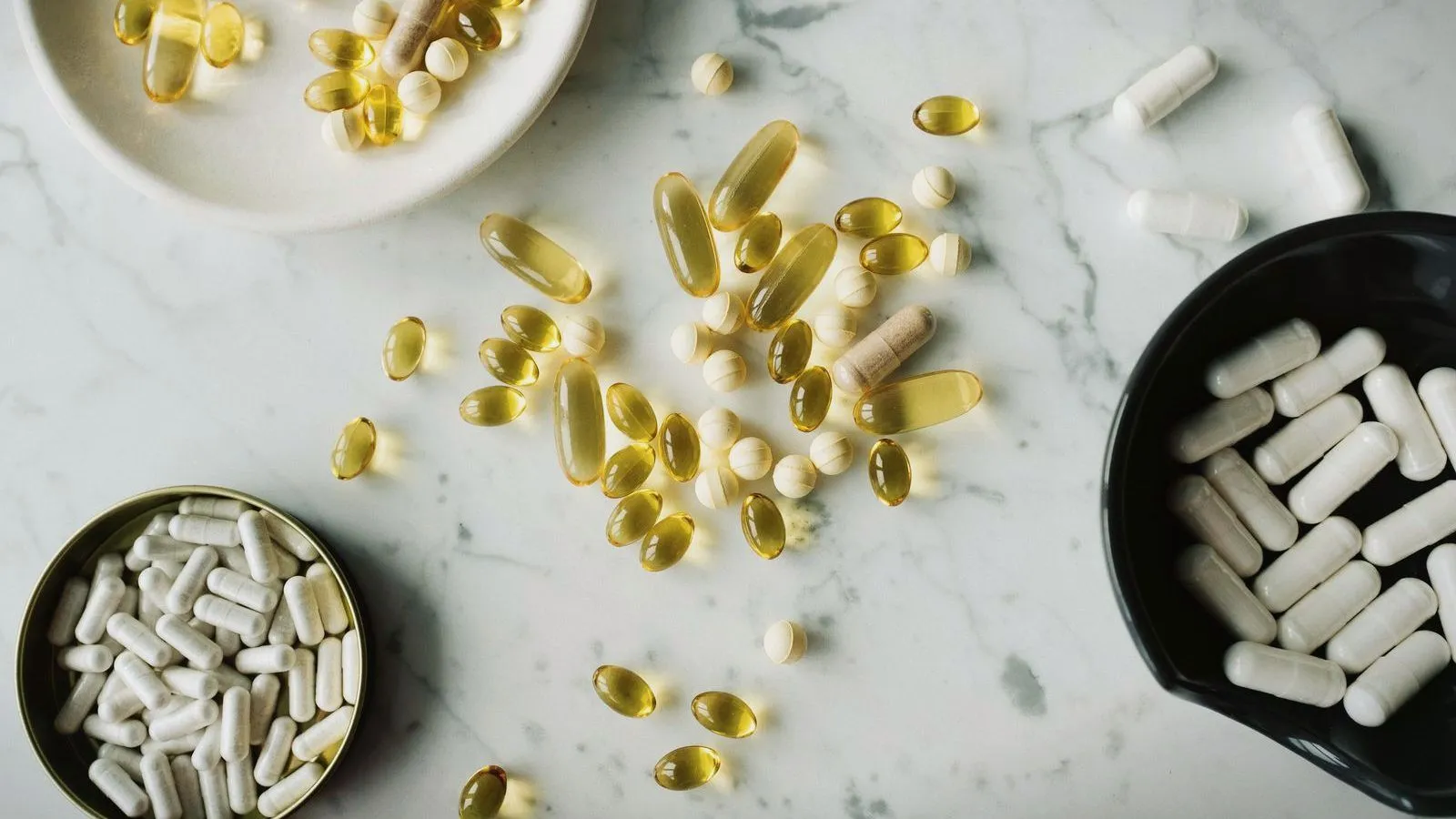
- 63,442 US adults across 25 years of national survey data, analyzed in JAMA Network Open.
- Supplement use rose from 51% to 60%, with most of the growth coming after 2009.
- Multivitamins fell from 35% to 31% while standalone vitamins rose from 25% to 39%.
- Ashwagandha, collagen, elderberry and probiotics rose; ephedra and ginseng declined.
- This tracks what people take, not whether it works, and use was self-reported.
The supplement aisle of 1999 was a wall of multivitamins. The aisle of 2026 sells collagen, ashwagandha and elderberry gummies. A study in the journal JAMA Network Open, published by the American Medical Association, has now measured that change across a quarter of a century.
Researchers based at Memorial Sloan Kettering Cancer Center worked through 11 cycles of the National Health and Nutrition Examination Survey, the long-running program that sends interviewers and mobile clinics to a representative sample of Americans. Their study included 63 442 adults. Overall supplement use increased from 51% in 1999 to 2000 to 60% in August 2021 to August 2023.
What is new about counting supplement use
National supplement figures have existed for years. Until now, what was missing was the long view and the newcomers: long-term national data, particularly on emerging products and COVID-19-related changes, are limited.
That is the contribution here. Not the headline that Americans take supplements, which everyone knew, but a 25-year map of which ones, by whom, and what the pandemic did to the habit.
The multivitamin loses its throne
The single most telling number is a decline. Multivitamin and multimineral use decreased, from 35% to 31%, even as the overall total climbed.
Everything else moved the other way. Use of vitamins outside a multivitamin rose from 25% to 39%, minerals from 18% to 27%, and botanicals from 11% to 13%.
Read together, those lines describe a change in thinking. The multivitamin was a hedge, one pill covering every gap. What replaced it is targeted: a supplement bought for a named worry.
The new arrivals: ashwagandha, collagen, elderberry
The paper names them. Notable increases were observed for vitamin D, vitamin K, zinc, and turmeric and curcumin, and for products with emerging use in later cycles, such as ashwagandha, hyaluronic acid, elderberry, collagen, and prebiotics or probiotics.
There were losers too. Notable declines occurred for trace minerals and several botanicals, among them ephedra and ginseng. Ephedra’s fall is the one with a clear cause: it was banned from US supplements after safety concerns.
The pandemic left its own mark. Vitamins, minerals and some other supplement use increased in the late-pandemic or postpandemic period compared with the prepandemic or early-pandemic period, notably in products marketed for immune health such as zinc and elderberry.
Who is taking supplements
The steepest climb belongs to the oldest group. Supplement use increased most among adults aged 65 years and older, from 62% to 78%, and was highest in that group compared with the other age groups.
That concentration is where a consumption statistic turns into a safety question. Older adults take the most supplements and also the most prescriptions, and the two can interact.
What the survey cannot tell you
This survey photographs a different sample of people at each round rather than following the same individuals over time. It records what people say they took in the past 30 days, so memory and honesty both matter.
Crucially, it measures use, not usefulness. No health outcome was assessed. A supplement rising in popularity is evidence about marketing and mood, not about biology.
The authors’ own reading points forward rather than back: ongoing monitoring of supplement use trends is needed to understand evolving public health implications.
Sixty percent of adults now take something. Whether the newer somethings do anything is a question the evidence has not caught up with, and the gap between what sells and what is proven has rarely been wider.
People also ask
Does this study show supplements work?
No, and that is worth being clear about. It is a survey of consumption, designed to measure what Americans report taking over 25 years. It tested no health outcomes and makes no claim about benefit or harm. The value is in showing where the market has moved, which tells researchers and regulators what needs studying.
Why are people abandoning multivitamins?
The study documents the shift rather than explaining it. Multivitamin and multimineral use fell from 35% to 31% while standalone vitamins climbed from 25% to 39%. The pattern is consistent with a move from broad insurance-policy supplementation toward targeted products aimed at specific concerns, marketed for immune, anti-inflammatory, gut, skin or joint health.
Which supplements grew the fastest?
The paper highlights increases in vitamin D, vitamin K, zinc, and turmeric and curcumin, alongside products that barely registered in earlier cycles: ashwagandha, hyaluronic acid, elderberry, collagen and prebiotics or probiotics. Several of these are the supplements social media made famous.
Is it a problem that older adults take the most?
It is the finding with the clearest safety relevance. Use among adults 65 and over reached 78%, the highest of any age group, and that is also the group most likely to be on prescription medicines. Supplements can interact with drugs such as blood thinners and some blood pressure medicines. Anyone taking several products alongside prescriptions should have a pharmacist or doctor review the full list.
Are supplements regulated like medicines?
Not in the United States. Dietary supplements are not assessed for safety and effectiveness before sale the way prescription drugs are, and the amount in a capsule can differ from the label. That regulatory gap is the reason population-level tracking like this matters: the products change faster than the evidence does.