News · Longevity & Aging
Long-lived bats carry genetic changes that may link their resistance to cancer and to viruses
Small mammals usually live fast and die young, and some bats break that rule spectacularly. Sequencing eight closely related species suggests their longevity and their immune defenses evolved together.
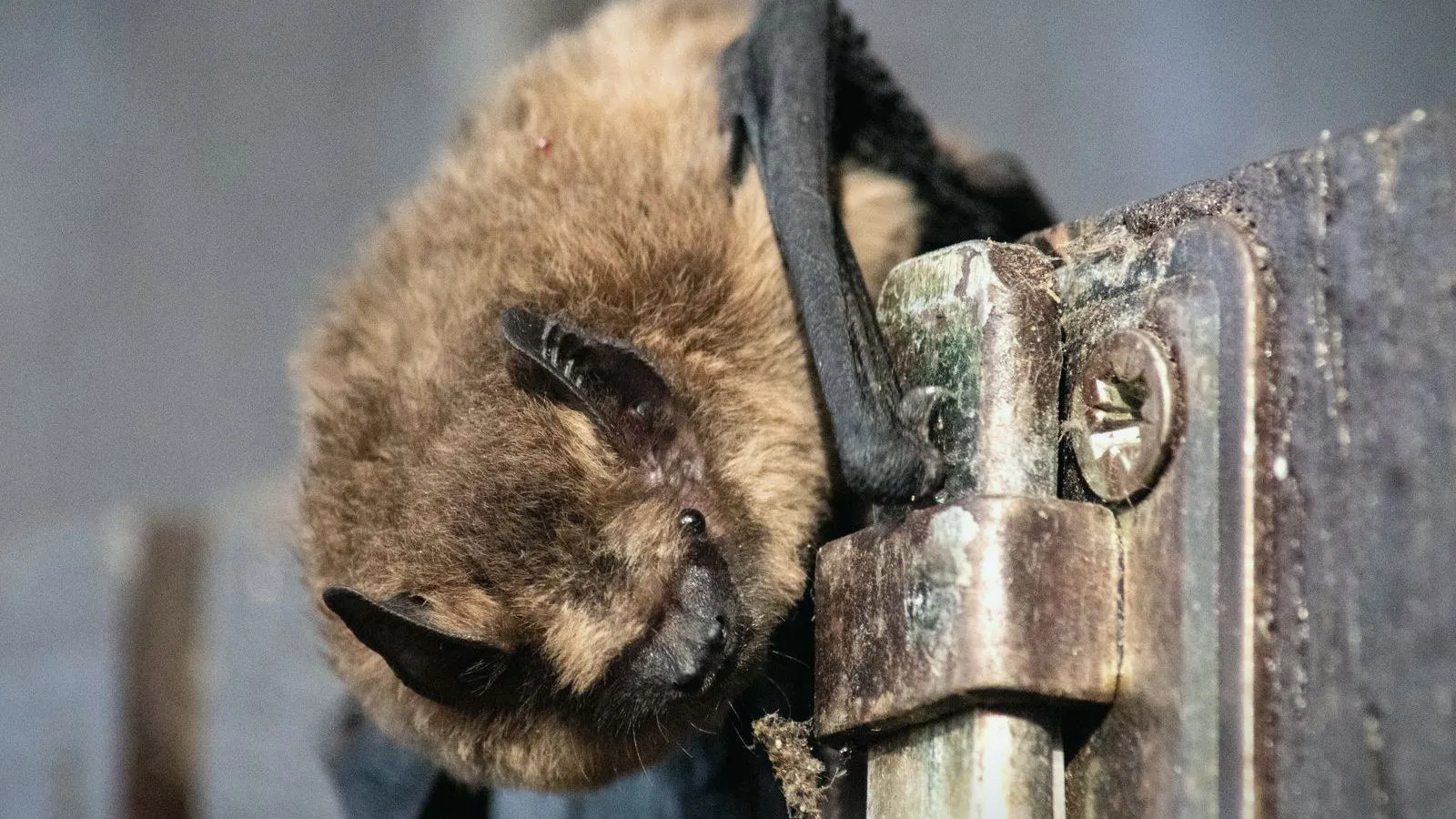
- This is genetic and cell research on bats, and it has not been tested in people.
- Long-lived bat species showed signs of evolutionary pressure on cancer-related genes.
- Cells from a long-lived species responded to DNA damage in an unusual way.
- Bats adapted to DNA viruses and RNA viruses through different genetic routes.
- The authors propose that long life and virus tolerance evolved as one package.
Across the animal kingdom there is a rough rule about how long things live. Elephants and whales last for decades, while mice and shrews race through life in a couple of years. Bats break that rule badly, and a new study that read the genomes of eight closely related bat species, and tested cells grown from them, offers some clues as to why. It was done entirely in bats and bat cells, not people.
Many bat species are small enough to fit in your hand and still outlive animals many times their size. They also carry viruses that would sicken most mammals, often without showing any illness at all. Those two unusual traits have long made bats a source of fascination for people who study aging and infection, and this research suggests the two may be connected.
What makes Myotis bats worth studying?
The researchers focused on Myotis, one of the largest groups of bats. The genus Myotis exhibits some of the most extreme variation in lifespans among mammals, which makes it a natural experiment. Closely related species that live very different lengths of time let scientists ask which genetic differences go along with a long life.
Writing in Nature, the team built cell lines and near-complete genome assemblies for eight closely related Myotis species. A genome assembly is essentially a full readout of an organism’s DNA, and having near-complete versions for several related species lets researchers compare them in fine detail.
They then combined three approaches. They scanned the genomes for signs of positive selection, the fingerprint evolution leaves when a change helped a species survive. They looked for larger structural changes such as duplicated genes. And they ran experiments on living cells to test whether the genetic patterns actually changed how those cells behaved.
How do long-lived bats resist cancer?
One of the central results concerns cancer. Living a long time creates a problem, because every year adds more chances for cells to accumulate the kind of damage that turns them cancerous. A long-lived animal needs some way to manage that risk.
The researchers found that the recurrent evolution of longevity seen in Myotis was associated with positive selection in cancer pathways. In other words, species that evolved to live longer also showed evolutionary pressure on genes involved in how cells guard against cancer.
The cell experiments added something the genome scans alone could not. Cells taken from the little brown bat, a long-lived species, showed a unique response to DNA damage. That matters because it moves the finding from a statistical pattern in the DNA toward a real difference in how the cells cope with harm.
Why do bats handle viruses so differently?
Bats also stand out for how they live alongside viruses. The team found that bats adapt to DNA viruses and RNA viruses in ways unlike any other mammals.
For DNA viruses, bats showed a genome-wide excess of positive selection in proteins that interact with those viruses. For RNA viruses, the pattern was different: they showed higher rates of copy-number variation, meaning genes were duplicated or lost more often. Two kinds of viral threat appear to have pushed bat genomes in two different directions.
One immune gene got particular attention. PKR is a protein cells use to detect and shut down viral infections. The researchers found that Myotis bats carry extra duplicated copies of it, and that the number of copies varies in ways ancient enough to be shared across different species.
Are long life and virus tolerance really connected?
This is the most interesting idea in the paper, and also the one to hold most loosely. The authors propose that bats’ longevity and immunity are linked through adaptations that do double duty.
The reasoning is that both cancer resistance and virus tolerance depend on how cells respond to damage and stress. A cell that handles DNA damage well may be better at resisting both the mutations that cause cancer and the disruption viruses cause. If so, a species that evolved strong defenses against viruses could have gained protection against age-related disease almost as a side effect.
That is a hypothesis the genomes support rather than prove. Finding two sets of adaptations in the same animals does not show that one caused the other, and the researchers frame it as a suggestion drawn from the overall pattern.
Could bat biology tell us anything about human aging?
The value of this work for people lies in pointing to biological processes worth a closer look. Healthy aging involves many things, and researchers have long wanted to understand why some species age so much more slowly than others. Bats offer a set of natural solutions that evolution has already tested, and knowing which genes and cellular responses are involved narrows where to search.
Moving from a bat genome to a human treatment is a very long road, and most promising leads from animal biology never complete it. Nobody should read this as a reason to expect a longevity therapy based on bats any time soon.
What do the bat genomes mean for you?
For now, mostly a better understanding of a remarkable animal. MedlinePlus notes that as we age our minds and bodies change, and that having a healthy lifestyle can help you deal with those changes. Nothing here alters the familiar advice about eating well, staying active and keeping to a healthy weight.
What the research does offer is a clearer picture of why bats are so unusual. Their long lives and their ability to live with viruses may not be two separate quirks after all, and understanding how those traits fit together could eventually help explain why aging and disease unfold so differently across species, our own included.
People also ask
What did the study find?
Across eight Myotis species, the researchers identified patterns of adaptation contributing to longevity, cancer resistance and viral interactions. The recurrent evolution of longevity was associated with positive selection in cancer pathways, and primary cells of the long-lived Myotis lucifugus showed a unique response to DNA damage. Bats showed genome-wide over-representation of positive selection for DNA-virus-interacting proteins and elevated copy-number variation for RNA-virus-interacting proteins.
Why are bats unusual?
Across mammals, bigger species tend to live longer and smaller ones die young. Many bats are small and still live remarkably long, and they also carry viruses that would make other mammals ill without becoming sick themselves.
What is positive selection?
The signature evolution leaves when a genetic change helped its carriers survive or reproduce and so spread through a species. Finding it in a gene suggests that gene mattered to how the species adapted.
What is PKR?
An immune protein that helps cells detect and shut down viral infections. The researchers found that Myotis bats carry extra, ancient duplicated copies of it, which may strengthen their antiviral defenses.
Does this mean bats could help us live longer?
Not directly or soon. Understanding which genetic changes let bats resist cancer and tolerate viruses points to biological processes worth studying in people, but nothing here is a treatment or a lifestyle change.
Why would cancer resistance and virus tolerance be connected?
Both involve how cells respond to damage and stress. The authors suggest that the same adaptations may serve both purposes, so a species that evolved to handle viruses could have gained protection against age-related disease along the way.
Should this change how people think about bats and disease?
It helps explain why bats can carry viruses without illness. It does not change public health advice about avoiding contact with wild bats. This is general information rather than medical advice.