News · Brain & Mental Health
Dementia stayed rare in two Indigenous Amazonian groups followed for nearly five years
Among the Tsimane and Moseten of lowland Bolivia, fewer than 2% of older adults have dementia. A follow-up study counted new cases and found the low rate is only partly good news.
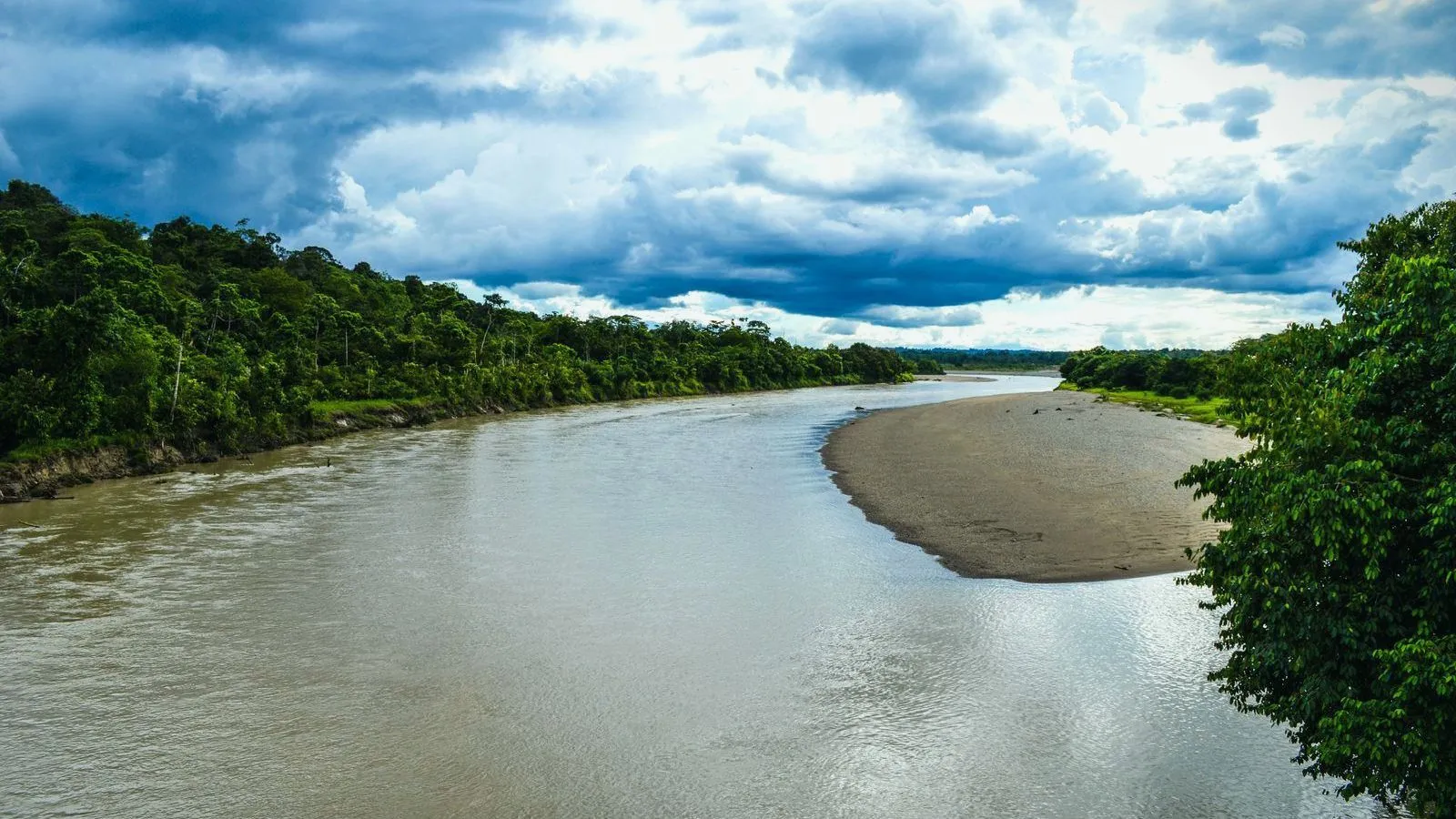
- This study followed 730 older Tsimane and Moseten adults in Bolivia for a median of 4.7 years.
- Twenty-two people developed dementia over the follow-up, a modestly low rate.
- Dementia prevalence stayed below 2%, far lower than in high-income countries.
- People already living with dementia died sooner, which keeps the prevalence figure low.
- Amyloid and tau markers were not linked to new cases; blood vessel calcium was.
Every so often a population turns up where a common disease is strangely rare, and researchers go looking for the reason. Among the Tsimane and Moseten, two Indigenous peoples of lowland Amazonian Bolivia, dementia is that disease: earlier work put prevalence below 2%, against roughly one in ten among older adults in wealthy countries. A new study followed 730 of them for a median of 4.7 years to see how many developed it.
The answer was 22 people. The rate of new cases is modestly low rather than astonishingly so, and part of the reason dementia looks so rare there turns out to be sobering.
Who are the Tsimane and Moseten of the Amazon?
Both groups live largely by subsistence: farming small plots, fishing, hunting and foraging. Daily life involves a great deal of physical activity and very little of what wealthy countries eat. Earlier research in the same populations found unusually healthy arteries in old age.
That combination makes them one of the most informative places on earth to study brain aging, because they experience a set of conditions no trial could ethically create. The authors describe studying dementia incidence and risk factors in populations with largely subsistence lifestyles.
How do you assess dementia where reading is uncommon?
This is not a small problem. Most cognitive tests were built for people who went to school and can read, write and handle numbers on paper. Give them to someone who has never been to school and you measure schooling, not dementia.
The team’s evaluation was adapted to culture, language and illiteracy, using clinical assessment rather than paper tests alone. That is what makes the numbers comparable over time within these populations, though it also means they are not directly comparable to figures gathered elsewhere with different instruments.
How many people developed dementia?
Of the 730 participants re-visited, 22 developed dementia. That works out to 7.40 cases per 1,000 person-years, a way of counting that accounts for people being followed for different lengths of time. The plausible range around that figure ran from 4.87 to 11.24, which is wide because 22 cases is not many.
Prevalence, the share of people living with dementia at any moment, stayed below 2%. So the earlier finding held up on a second look.
Why does a low prevalence not simply mean healthy brains?
Here is the part that complicates the story. Prevalence depends on two things: how many people develop a condition, and how long they live with it. The researchers found that mortality among dementia cases at baseline was significantly greater than among participants with normal cognition.
In other words, people who developed dementia in these communities died sooner than their peers, which keeps the number of people living with dementia low. The authors are explicit that the strikingly low prevalence reflects modestly low incidence and shortened life expectancy after diagnosis. A low count is partly a story about survival, not only about protection.
Which risk factors tracked with new dementia cases?
The exploratory analyses are the most intriguing part, and also the least certain, because with 22 cases any breakdown is fragile.
Three things were associated with developing dementia: carrying the e4 version of APOE, a gene involved in carrying fats around the body, having calcium deposits in the thoracic aorta, and higher blood levels of neurofilament light chain, a marker of nerve cell damage. Two things were not: amyloid and phosphorylated tau, the proteins that define Alzheimer’s disease in the clinic.
That pattern hints that what is happening in these communities may be driven more by blood vessels than by Alzheimer’s pathology, which is why the authors say the next step is delineating vascular contributions versus Alzheimer’s disease pathology.
What can’t this Amazonian cohort tell us?
It cannot tell us that a subsistence lifestyle protects the brain, however tempting that conclusion is. There is no comparison group living a different way, and these populations differ from wealthy-country cohorts in genetics, infection history, diet, activity, schooling and access to medical care all at once.
The numbers are also small: 730 people and 22 cases, from a cohort well below the sample sizes this site usually requires. The full paper was not accessible for this article, so its limitations section was not reviewed.
What does the Amazonian dementia finding mean for the rest of us?
Not a diet or an exercise plan. The useful signal is in which risk factors moved with new cases: aortic calcium and a nerve-damage marker, rather than the Alzheimer’s proteins. That fits a growing view that blood vessel health is a large part of dementia risk.
MedlinePlus is careful to say that dementia is not a normal part of aging, and that it is a serious disorder that interferes with daily life. Looking after blood pressure and the arteries is already standard advice for later-life brain health, and this study in the Amazon quietly supports it.
People also ask
What did the study find?
There were 22 incident dementia cases, a rate of 7.40 per 1,000 person-years, and prevalence remained below 2%. Mortality among those with dementia at baseline was significantly greater than among cognitively normal participants. In exploratory analyses, apolipoprotein E e4 genotype, thoracic aortic calcium and plasma neurofilament light chain were associated with new dementia, while amyloid and phosphorylated tau were not.
Who are the Tsimane and Moseten?
Indigenous peoples of lowland Amazonian Bolivia who live largely by subsistence farming, fishing, hunting and foraging, with high physical activity and little processed food.
Why is the dementia rate so low?
The study cannot say. Two things contribute to the low prevalence: modestly low rates of new cases, and shorter survival after diagnosis, which removes people from the count.
How do you diagnose dementia without literacy-based tests?
The team used a clinical evaluation adapted to the local culture and language, and for people who could not read or write. Standard memory tests assume schooling that many participants did not have.
Does this prove a subsistence lifestyle protects the brain?
No. This is an observational study in two populations, without a comparison group living differently, so lifestyle, genetics, infections and survival are impossible to separate.
What can I take from this?
The risk factors that did track with new cases, including calcium in the aorta, point toward blood vessel health, which is already part of standard dementia prevention advice. This is general information rather than medical advice.